
Concrete Blog
Short, useful articles that answer the questions we hear most from homeowners and property managers around Tyler.
Driveways and Patios
Concrete Installation
When Can You Drive on New Concrete?
Wait until your contractor releases the driveway for your specific vehicle. Many ordinary residential projects use about seven days as a planning point for passenger cars, but that is not a guarantee. The mix, weather, curing, slab design, and actual strength can change the wait. Heavy vehicles often need longer and separate approval.
Concrete Curing in Hot Weather: A Homeowner’s Guide
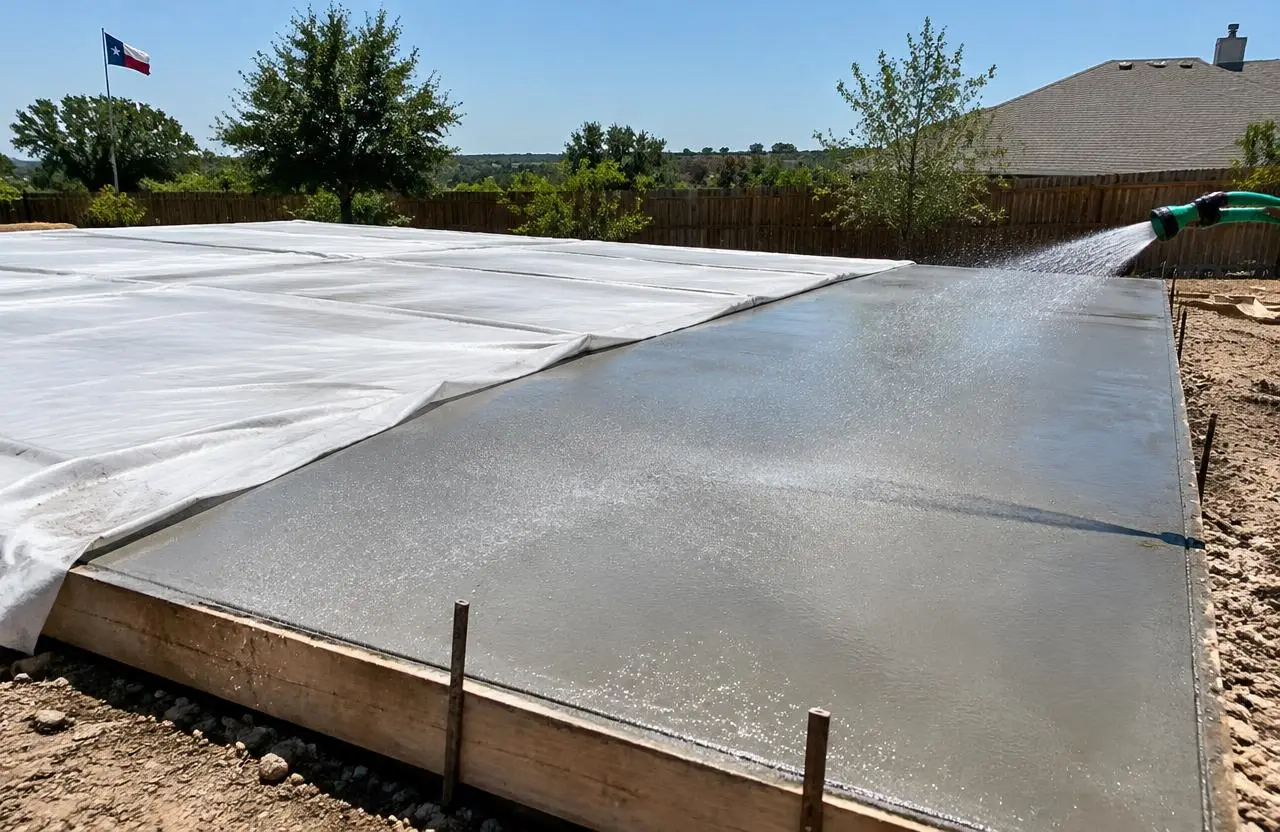
Hot-weather concrete work is about more than the afternoon temperature. Sun, wind, dry air, and warm materials can make fresh concrete lose moisture fast. Tyler summers call for a plan before the truck arrives. As the owner, you should know how the surface will be protected and what you must keep off it afterward.
How to Prepare Your Property for Concrete Installation
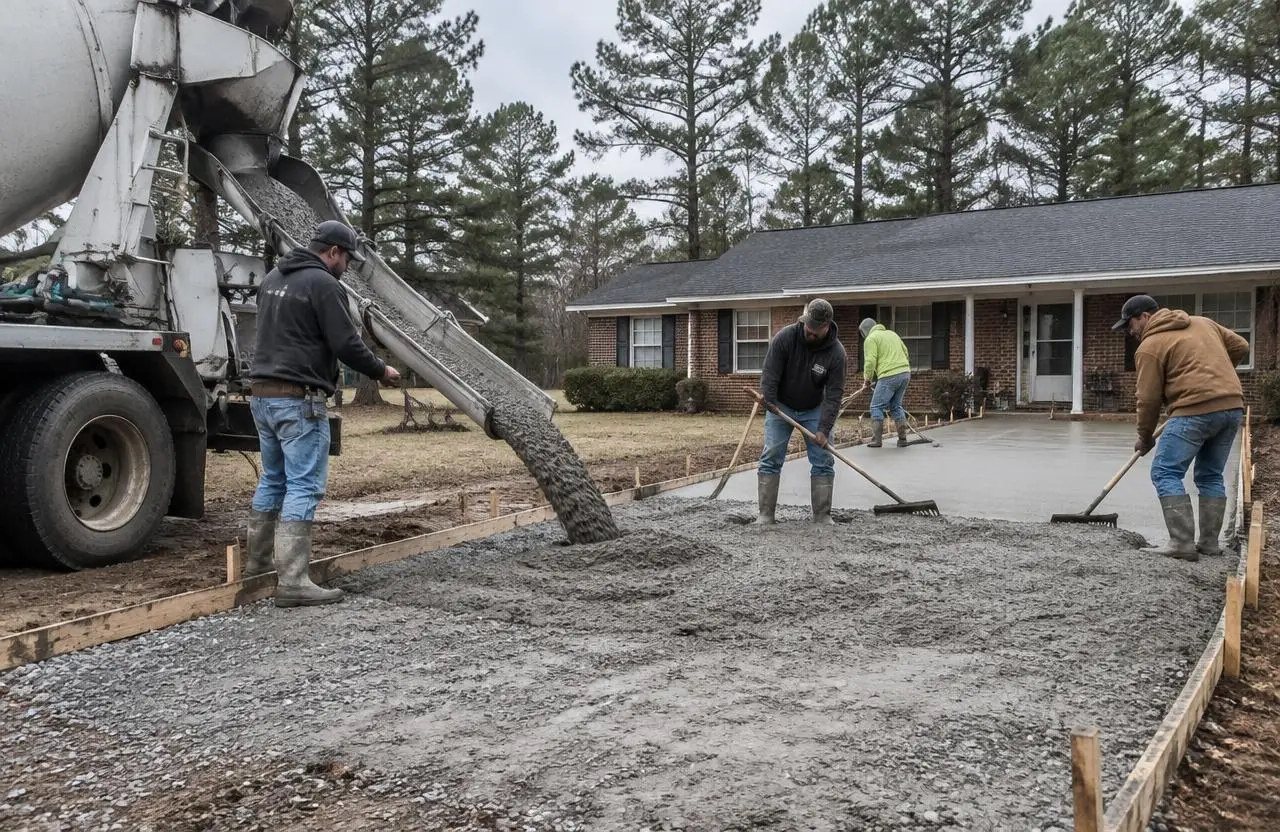
Good preparation starts before the crew unloads a tool. Your main job is to clear the way, share useful site details, and keep people out of the work zone. The contractor handles construction tasks within the agreed scope. Knowing that boundary can prevent delays and keep a simple weekend cleanup from creating extra work.
Why Concrete Drainage and Grading Matter
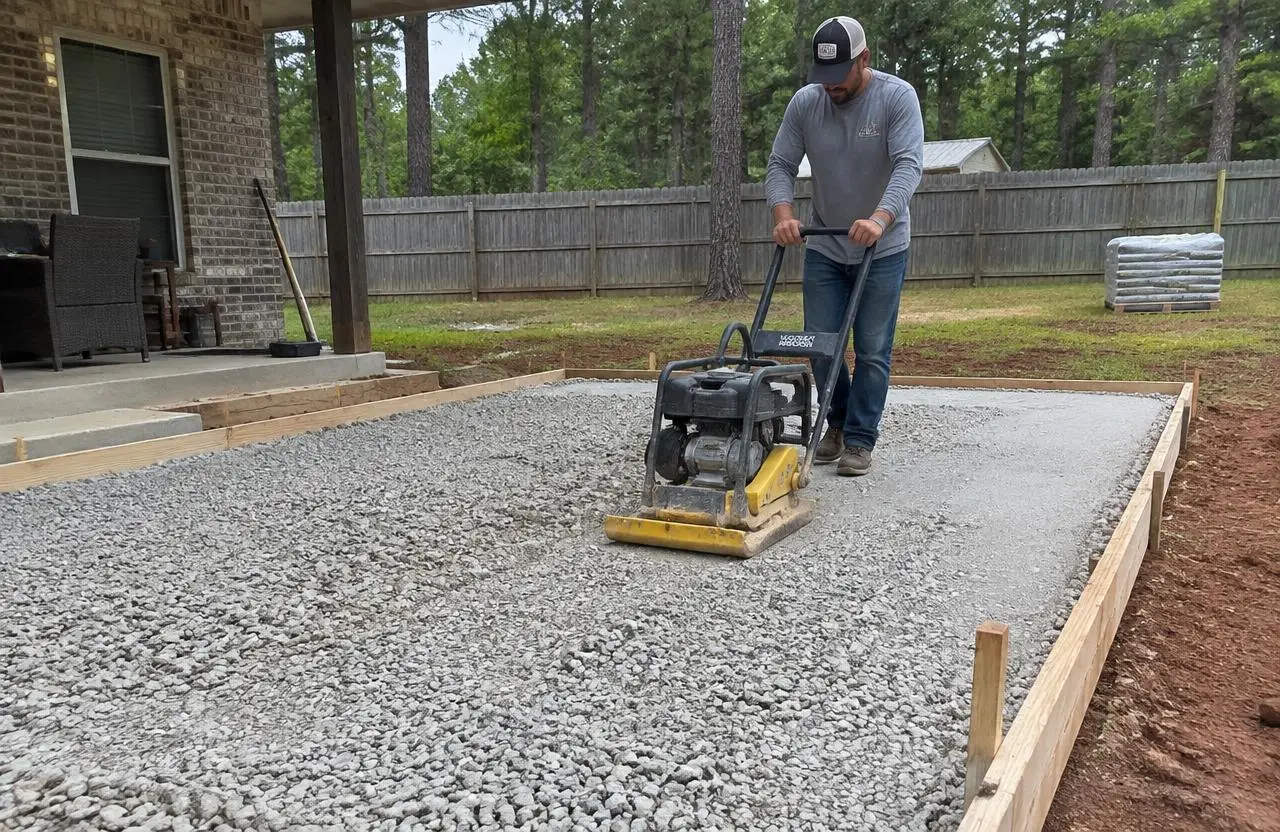
A new slab changes where rain goes. Water that once soaked into grass may run toward a doorway, across a walk, or into a low corner. Good concrete planning starts with that route. Surface finish matters, but it cannot correct a slab built at the wrong height or a drain with nowhere to empty.
Decorative Concrete
Repairs and Maintenance
How to Maintain Concrete Outdoor Surfaces
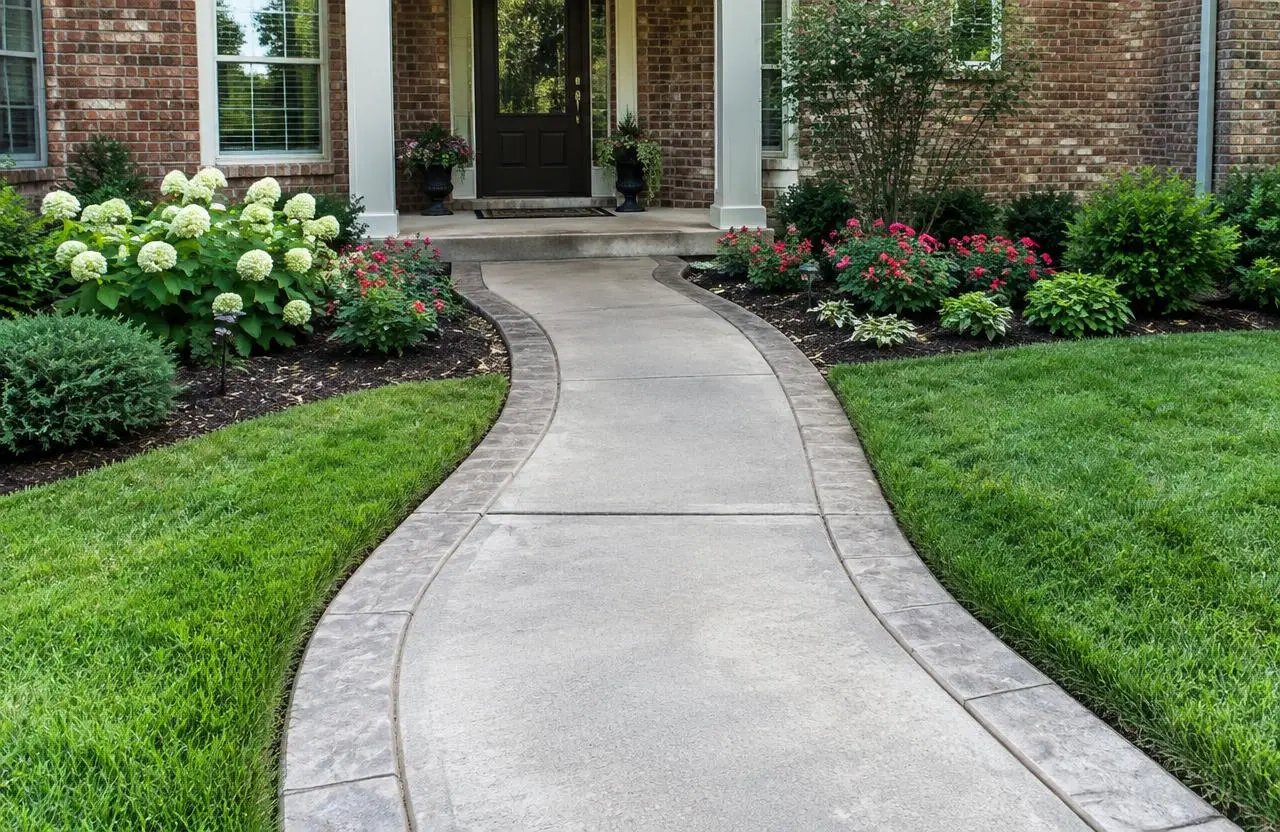
Outdoor concrete care works best as a few small habits, not one big cleaning day. Walks, steps, patios, and driveways face different use, but all benefit from clear drainage and early attention to damage. Build your routine around leaves, storms, spills, and changes in the surface rather than treating every slab with the same product.
Should You Repair or Replace a Concrete Driveway?
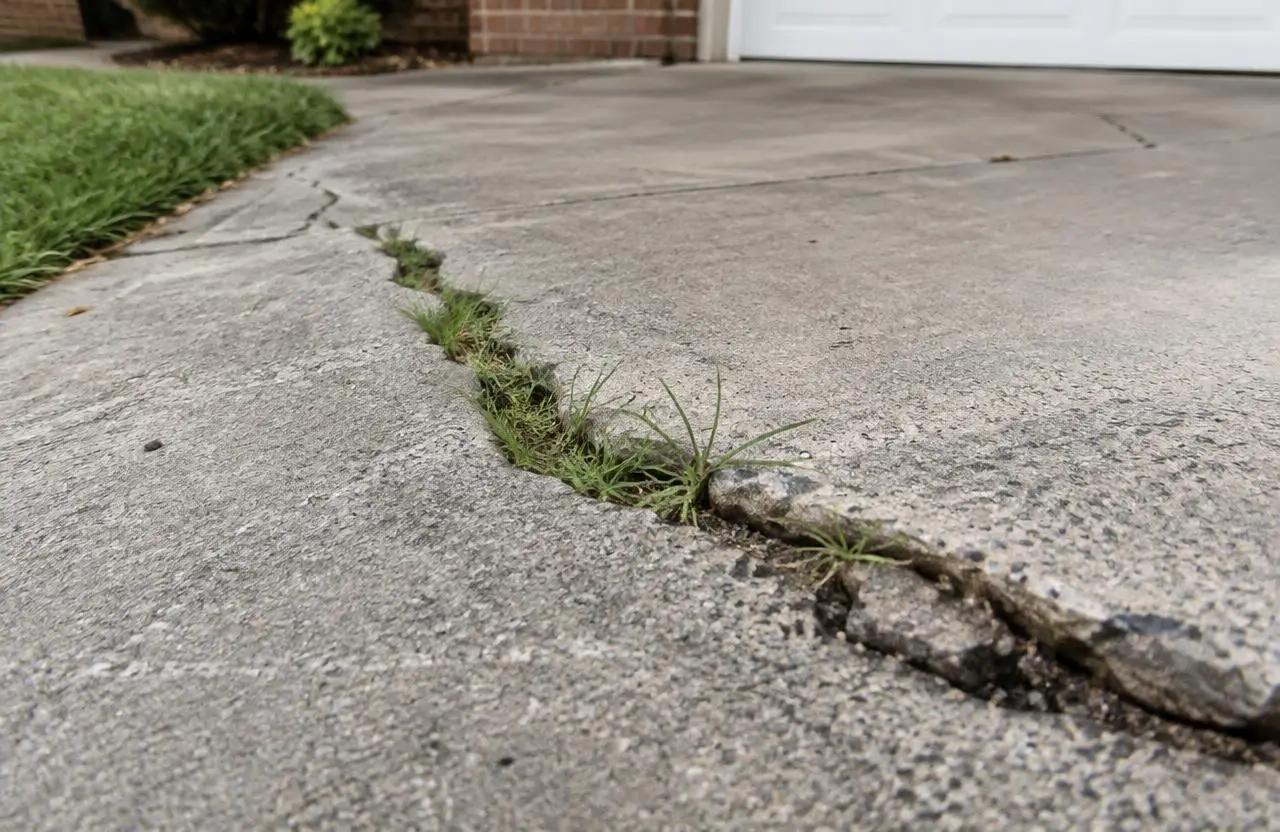
A cracked driveway is not an automatic tear-out. It is also not always a good patching job. The useful question is whether the concrete still has sound support and can serve its intended use. Start with the cause, then compare what each option will fix and what it will leave behind.
Common Causes of Concrete Driveway Cracks
A crack across your driveway does not tell the whole story. Some cracks form as new concrete shrinks. Others point to moving soil, poor support, or loads the slab was not built to carry. Before buying a patch, look at the shape of the crack, the height of each side, and where rainwater goes.
Costs and Planning
What to Include in a Concrete Project Estimate
Two concrete estimates can name the same square footage and still describe very different jobs. One may include removal, base repairs, and final cleanup. The other may cover only placing concrete on a ready site. A useful estimate turns the conversation into a written scope, so you can compare the work rather than just the bottom line.
How to Choose a Concrete Contractor in Tyler
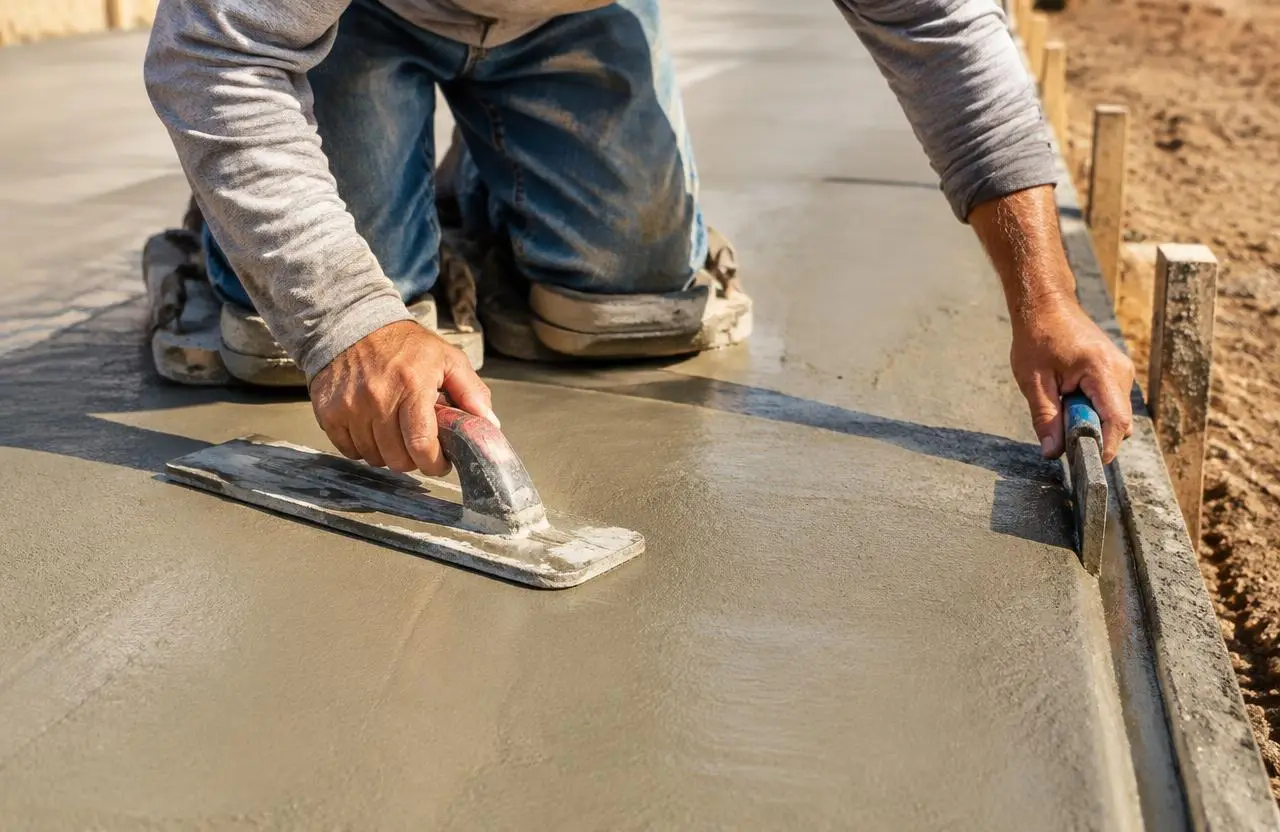
Choosing a concrete contractor is easier when you know what a good conversation sounds like. You do not need to become a concrete expert. You do need clear answers about the ground, the work, the price, and what happens after the pour. A friendly first call is useful, but it is only the start.
What Affects the Cost of a Concrete Driveway?
Two driveways with the same square footage can have very different estimates. One may sit on firm, open ground. The other may need demolition, soil work, and a way to move concrete through a narrow gate. The best starting point is not a price per foot. It is a clear picture of the whole job.
Ready to talk about your concrete project?
Free on-site estimates in Tyler and nearby East Texas towns.