
What to Include in a Concrete Project Estimate
By the Tyler Solid Concrete team · Published · Costs and Planning
Two concrete estimates can name the same square footage and still describe very different jobs. One may include removal, base repairs, and final cleanup. The other may cover only placing concrete on a ready site. A useful estimate turns the conversation into a written scope, so you can compare the work rather than just the bottom line.
Two concrete estimates can name the same square footage and still describe very different jobs. One may include removal, base repairs, and final cleanup. The other may cover only placing concrete on a ready site. A useful estimate turns the conversation into a written scope, so you can compare the work rather than just the bottom line.
Name the space and its intended use
The estimate should identify the location, approximate dimensions, shape, and boundaries of the work. A simple sketch helps with curves, extensions, and tie-ins. Note whether the slab will hold foot traffic, passenger vehicles, a workshop, or heavier loads. These uses can change the design, so “standard slab” is not enough detail.
Ask how final measurements will be confirmed and whether the quoted amount changes if the layout changes. Thickness, reinforcement, joints, and base needs depend on soil, loads, design, and code. If engineering or permit review is needed, the estimate should say who arranges it, who pays, and what approval is needed before work starts.
Separate preparation from the concrete itself
- Demolition: identify the concrete, roots, or other items to be removed.
- Disposal: state whether hauling and disposal charges are included.
- Access: note gates, equipment routes, overhead limits, and staging areas.
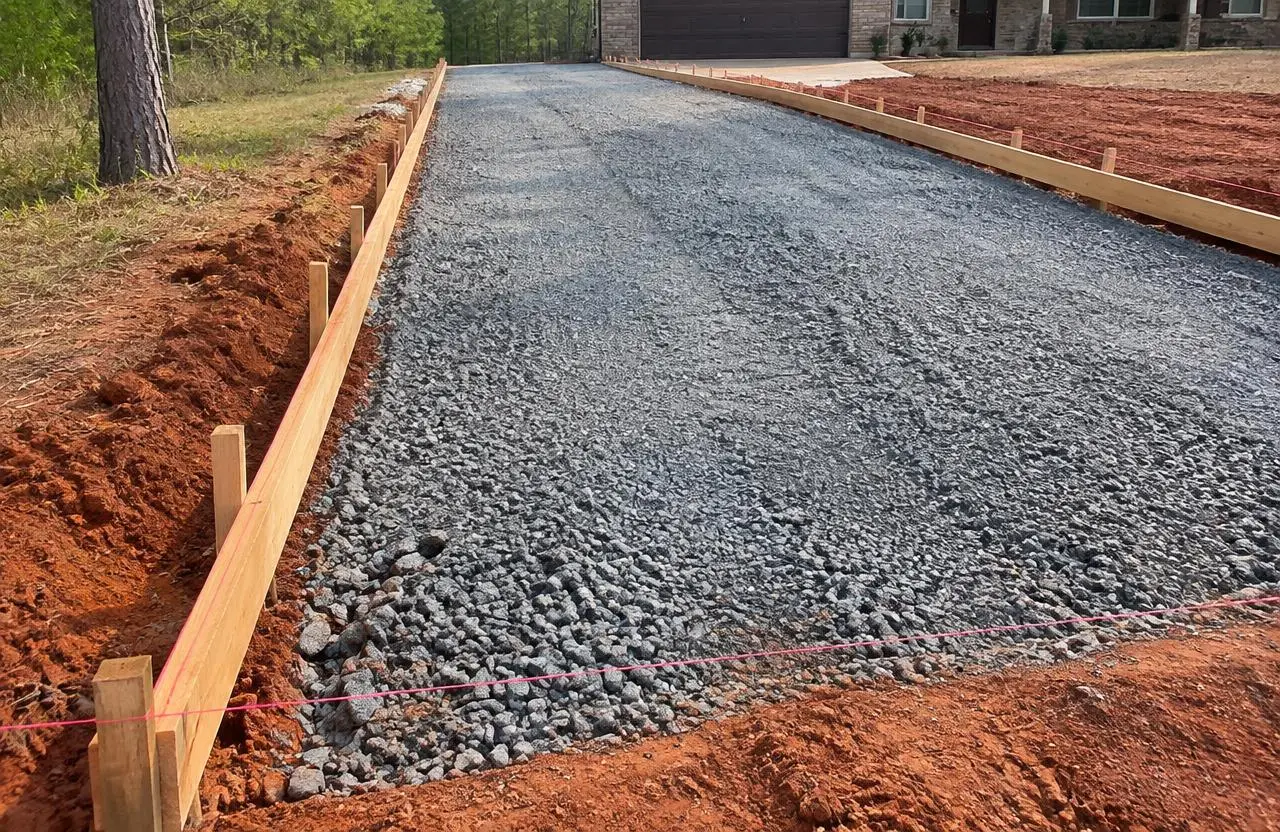
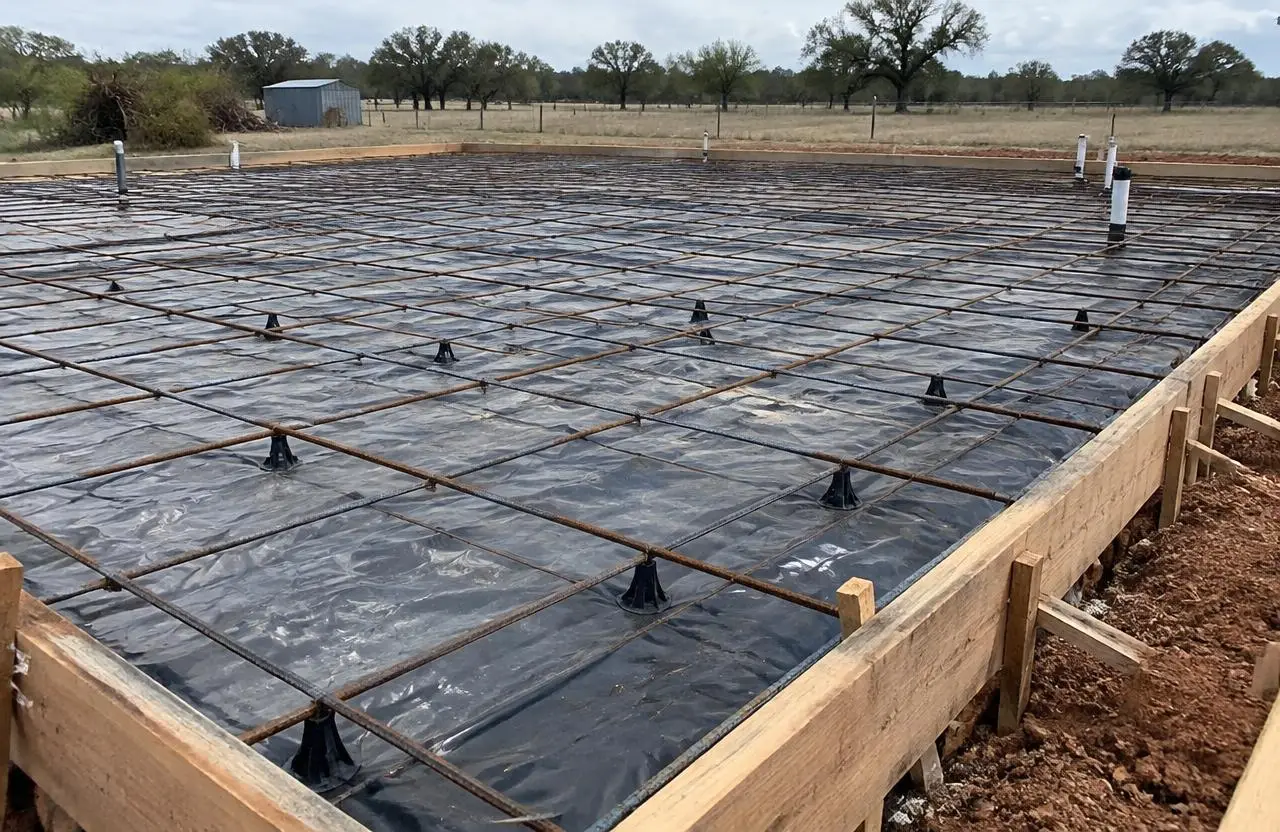
- Ground work: describe excavation, base preparation, and compaction.
- Protection: identify nearby surfaces, utilities, and landscaping that need care.
Hidden conditions need a written process. A contractor may not know what is under an old driveway until removal begins. Ask how soft soil, buried debris, or unexpected thickness will be documented and priced. A clear change-order method is more helpful than a vague promise that every possible problem is already included.
The property preparation guide can help divide owner tasks from crew tasks. For a tear-out, review concrete removal services and make sure demolition is not missing from a quote that you thought covered the entire replacement.
Write down drainage and finished appearance
The estimate should explain the proposed runoff direction and any drainage work. Downspout changes, drains, and final grading may be separate items. Ask how the slab connects to a garage, doorway, sidewalk, or street approach. Those connections affect elevations and may require coordination beyond the concrete crew’s basic scope.
Describe the finish in plain terms: broom texture, exposed aggregate, stamping, or another specified treatment. Include colors, pattern choices, borders, and sealer where relevant. Samples show a target, not a promise that every area will have identical shade. For decorative work, ask how approval happens before materials are ordered.
Include curing, access restrictions, and cleanup
A pour date is not the day the whole area becomes available again. The scope should state the planned curing method and who maintains it. Ask how release instructions for walking, parking, and other loads will be provided. Weather can shift both placement and later use, so confirm how schedule changes will be communicated.
The NRMCA curing guidance explains why new concrete needs moisture and temperature control. Read our hot-weather curing article if summer placement is planned. Also ask whether the price includes form removal, waste pickup, rough grading, and repair of equipment tracks in the lawn.
Check the business terms before signing
- Confirm the written price, payment stages, and what each stage covers.
- Identify exclusions, allowances, taxes, fees, and any separate contractor work.
- Require approval before extra work changes the agreed scope or amount.
- Ask for applicable insurance information and verify it through the proper channel.
- Read any written warranty terms, limits, and claim steps without assuming coverage.
Do not assume an estimate includes a warranty just because another company offers one. Likewise, do not accept a verbal promise as a substitute for written scope. Keep the accepted estimate, approved changes, product information, and payment records together. Its much easier to settle a scope question when both sides can read the same document.
Compare matching scopes, then ask about gaps
Use one sheet to mark each bid’s included, excluded, and unclear items. A higher total may include work another bid leaves to you. An unusually short quote deserves questions, not an automatic rejection or acceptance. Ask the contractor to explain the differences using your actual site and intended use.
Our driveway cost planning page and patio cost factors cover common cost drivers without pretending that every property costs the same. An on-site estimate is the only real number for your job. Photos and rough measurements help start the discussion, but cannot reveal buried conditions or confirm grades.
To begin, schedule a free estimate with Tyler Solid Concrete and share the layout, access limits, and planned use. Ask for a clear scope covering preparation through handover. You should leave the estimate conversation knowing what is included, what remains uncertain, and how any change will be handled before work proceeds.
Sources
Related concrete services
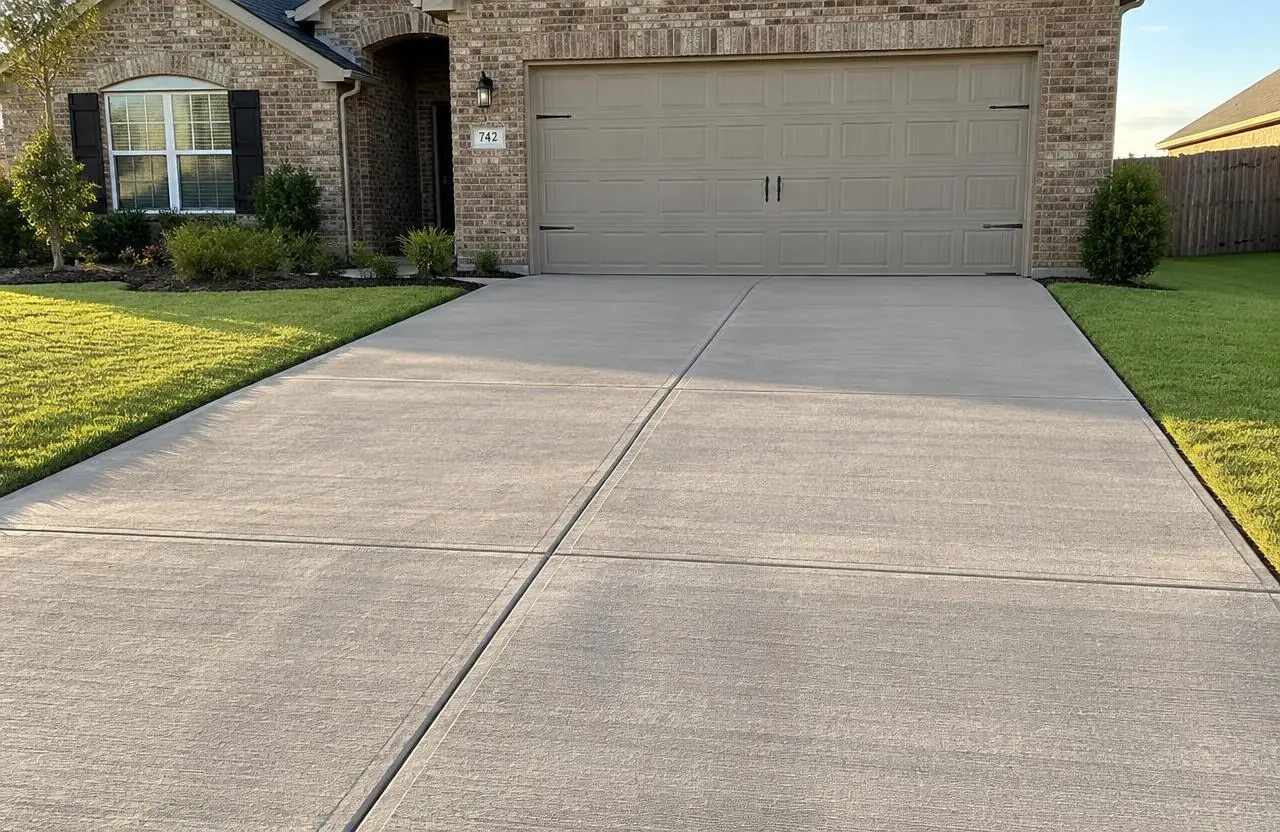 Concrete DrivewaysNew concrete driveways, widening and extensions in Tyler, TX. Proper base prep, drainage, finishing and curing. Schedule a free on-site estimate.
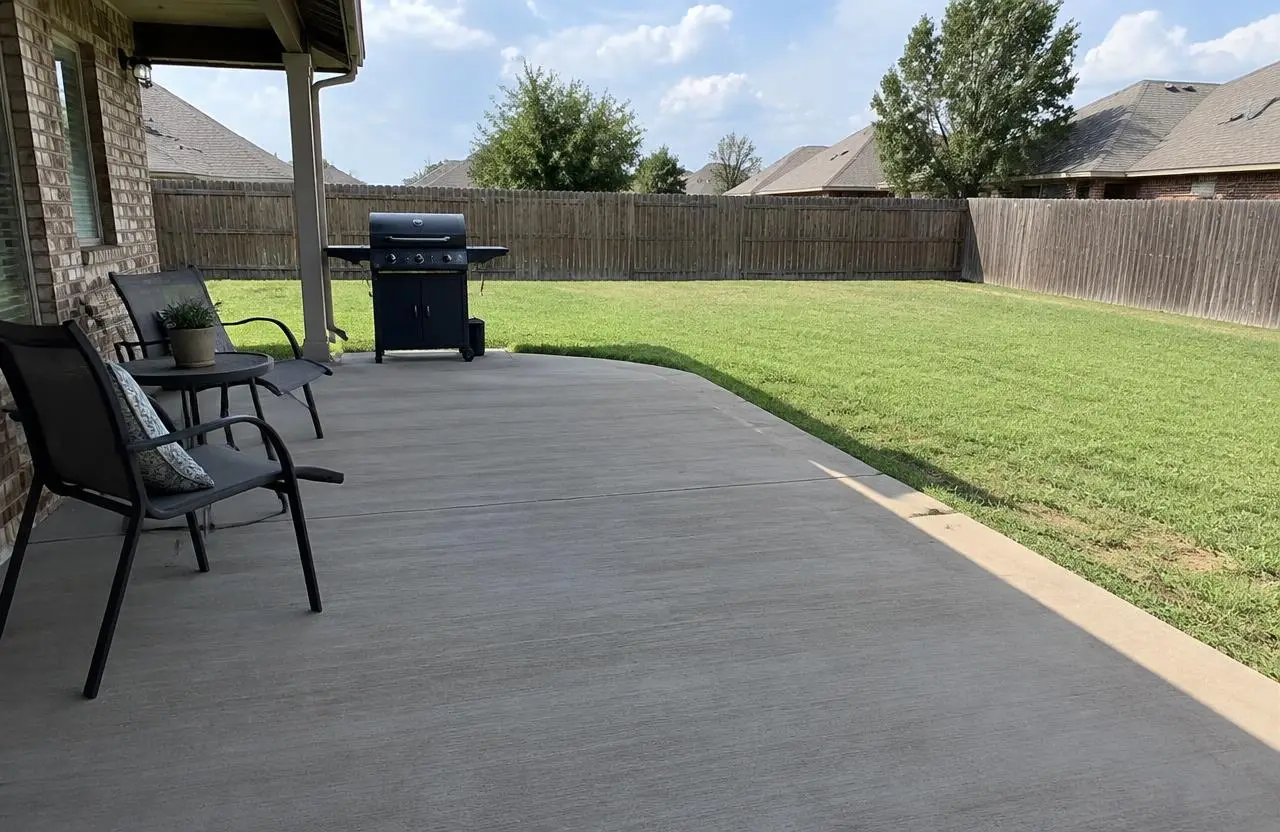 Concrete PatiosConcrete patios for East Texas back yards: layout, finishes, drainage and covered spaces. Talk to Tyler Solid Concrete for a free on-site estimate.
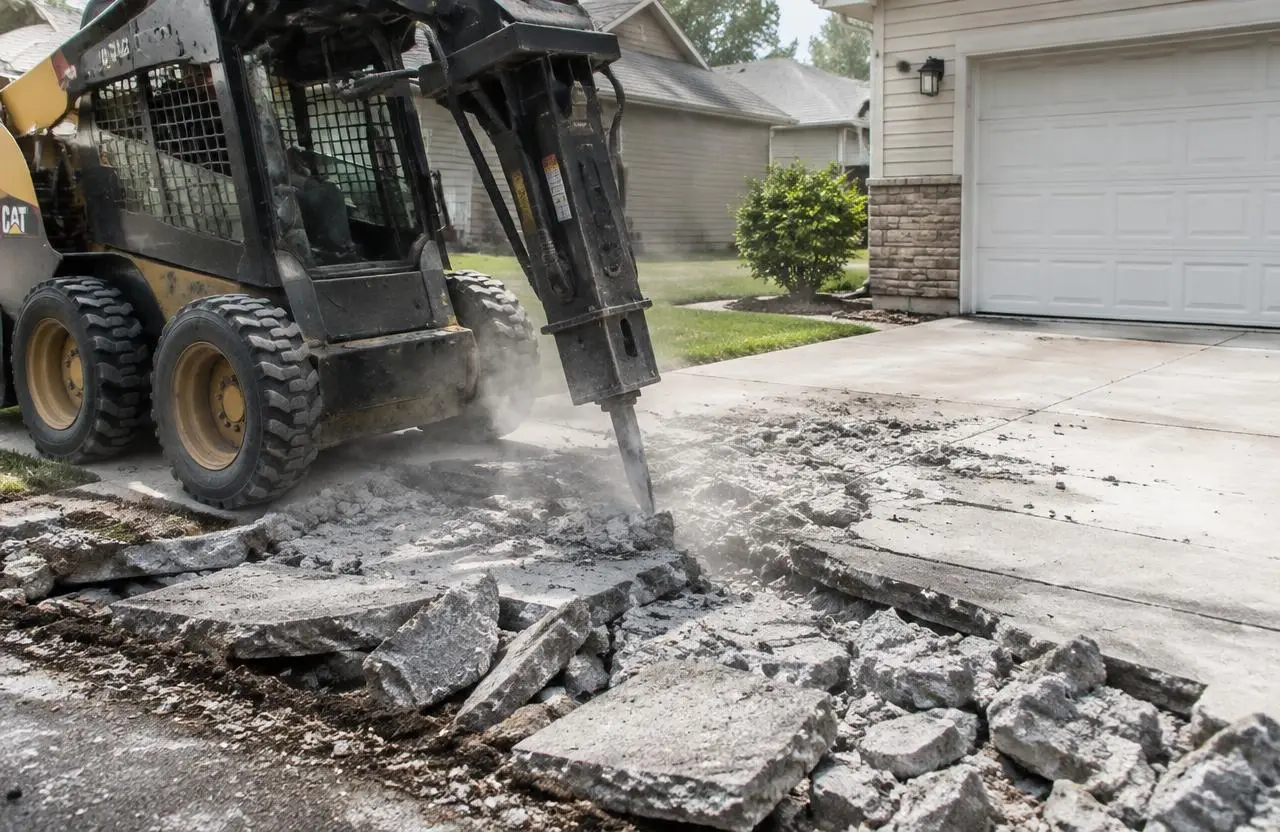 Concrete RemovalPlan concrete removal in Tyler, TX, with clear demolition limits, utility checks, hauling, disposal, and preparation for the next use of your site.
Keep reading
- How to Prepare Your Property for Concrete Installation
Good preparation starts before the crew unloads a tool. Your main job is to clear the way, share useful site details, and keep people out of the work zone. The contractor handles construction tasks within the agreed scope. Knowing that boundary can prevent delays and keep a simple weekend cleanup from creating extra work.
- Concrete Curing in Hot Weather: A Homeowner’s Guide
Hot-weather concrete work is about more than the afternoon temperature. Sun, wind, dry air, and warm materials can make fresh concrete lose moisture fast. Tyler summers call for a plan before the truck arrives. As the owner, you should know how the surface will be protected and what you must keep off it afterward.
- Concrete Driveway Cost
- Concrete Patio Cost
Ready to talk about your concrete project?
Free on-site estimates in Tyler and nearby East Texas towns.