
When Can You Drive on New Concrete?
By the Tyler Solid Concrete team · Published · Concrete Installation
Wait until your contractor releases the driveway for your specific vehicle. Many ordinary residential projects use about seven days as a planning point for passenger cars, but that is not a guarantee. The mix, weather, curing, slab design, and actual strength can change the wait. Heavy vehicles often need longer and separate approval.
Wait until your contractor releases the driveway for your specific vehicle. Many ordinary residential projects use about seven days as a planning point for passenger cars, but that is not a guarantee. The mix, weather, curing, slab design, and actual strength can change the wait. Heavy vehicles often need longer and separate approval.
A dry surface is not a strength test
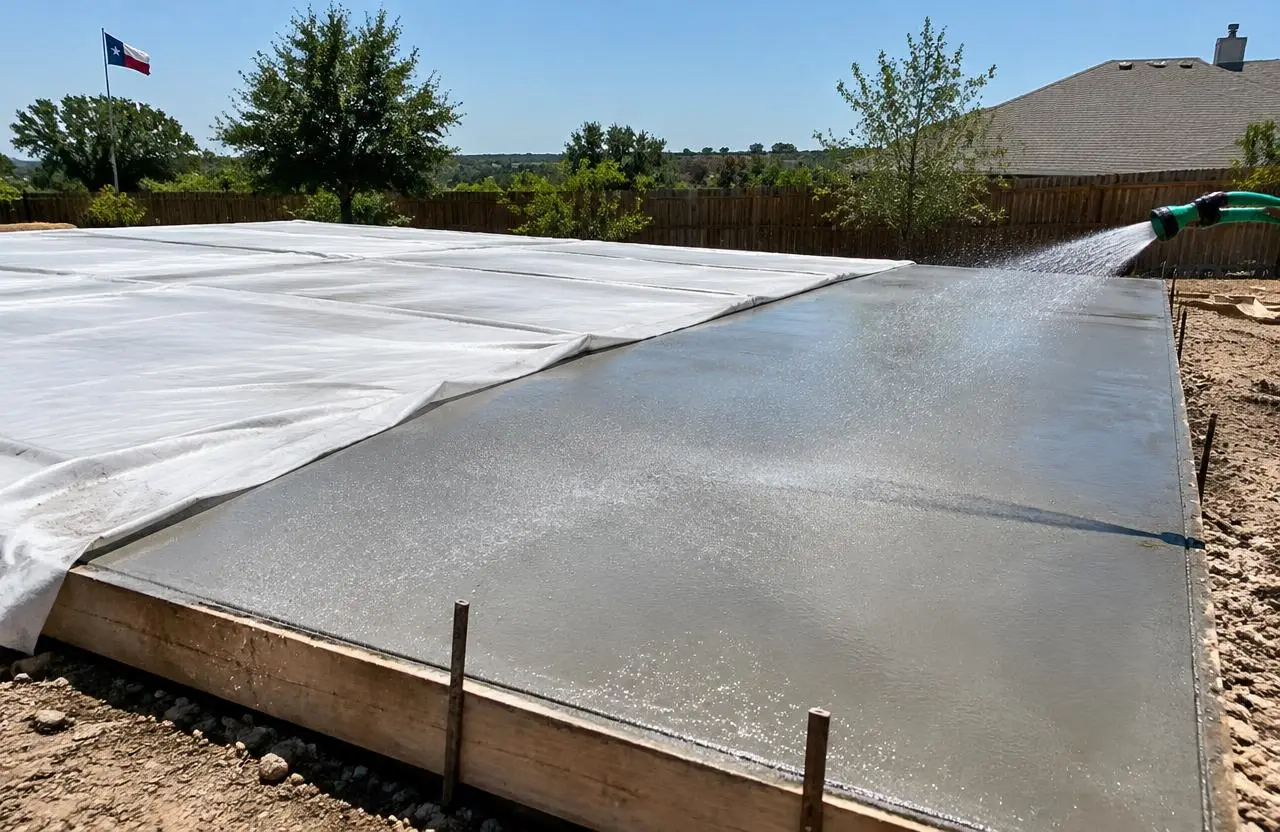
Concrete does not gain its useful strength simply by drying out. Cement materials react with water in a process called hydration. That reaction continues after the surface becomes firm. If the slab loses moisture too quickly, it may not develop the strength and wear resistance expected from the mix.
The NRMCA guide to curing concrete explains the need for suitable moisture and temperature during this early period. Curing and traffic release are related, but they are not the same decision. Finishing a curing step does not automatically mean every wheel load is now safe.
Use milestones, not a single countdown
- Freshly placed: keep all foot and vehicle traffic out of the work area.
- Early foot access: wait for permission, then use only the route and footwear allowed.
- Passenger vehicles: treat any general waiting period as planning advice until the contractor confirms release.
- Heavy loads: request separate clearance for trailers, moving trucks, dumpsters, and delivery vehicles.
You may hear twenty-eight days mentioned because it is a common reference age for specified concrete strength. It is not a magic point when every slab reaches the same condition or stops gaining strength. A cold spell, an unusual mixture, or poor curing can change the picture. A warm day alone does not prove readiness either.
If timing is critical, ask before installation how the release decision will be made. Depending on the project, the designer or contractor may use specified strength requirements, test information, or other approved methods. An owner cannot replace that decision by scratching the surface, tapping it, or looking at its color.
East Texas weather changes the plan
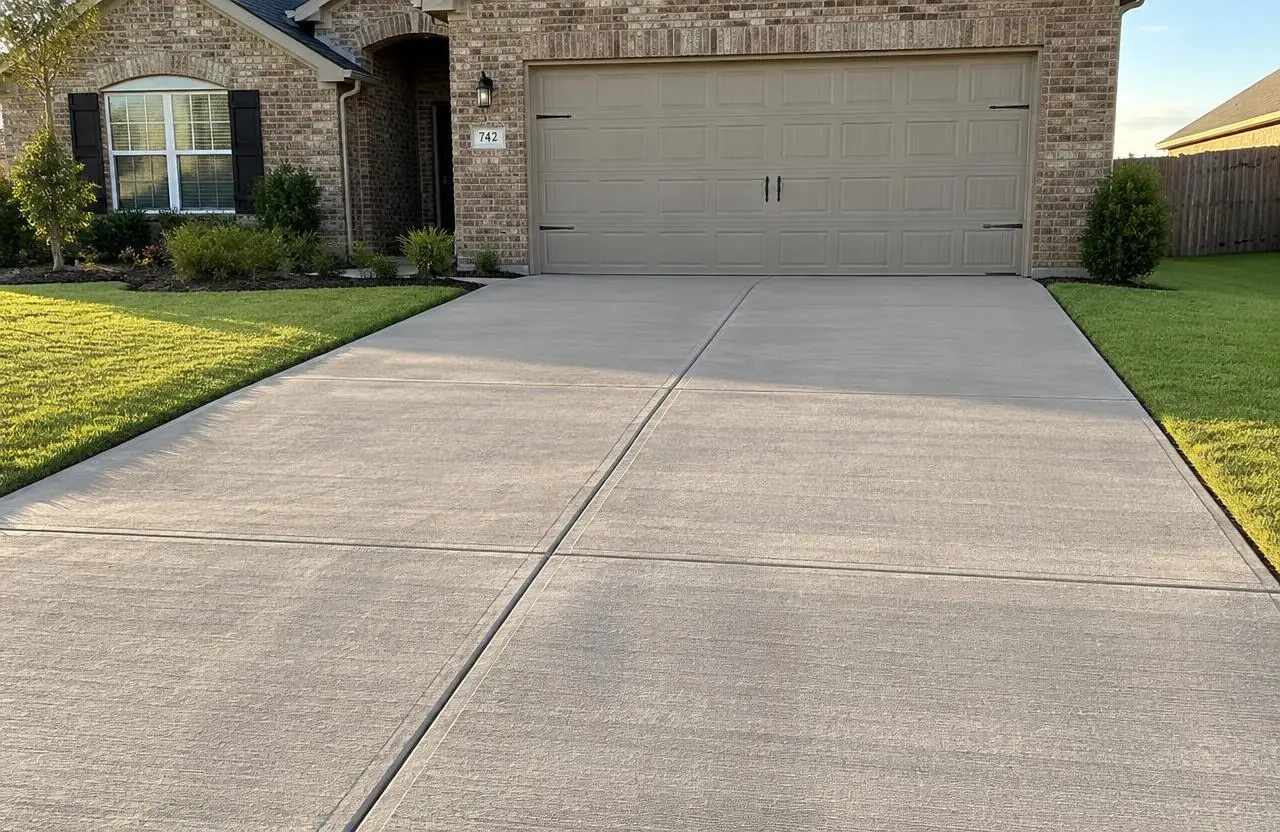
Hot summer air can make the surface seem ready fast, yet sun and wind can also pull away needed moisture. The NRMCA hot-weather guidance notes that heat, wind, humidity, and sunlight all affect fresh concrete. Fast surface drying is a warning to manage curing, not a reason to drive sooner.
Cool conditions can slow strength gain. Heavy rain may also affect site access or require the crew to protect fresh work. Do not remove coverings or change a curing system because the weather seems different from yesterday. Ask the contractor what to do, and keep the access plan flexible if conditions change.
Your vehicle matters as much as the calendar
A compact car and a loaded delivery truck do not place the same demands on a slab. Wheel loads, tire contact, turning, and the support below the concrete all matter. A trailer can also concentrate weight through a jack or stand. Approval for a family car does not cover every vehicle you might own.
Edges and corners deserve extra care because they have less surrounding support. Even after the driveway opens, avoid driving off an unfinished edge or placing heavy equipment near it. The slab thickness and reinforcement should match its planned loads, soil, design, and code. Waiting longer cannot correct a slab designed for the wrong use.
Plan the first week before the pour
Choose alternate parking and tell neighbors if access arrangements affect them. Move any vehicle that could become trapped in the garage. Reroute deliveries and set a reminder to cancel heavy drop-offs. Keep children and pets outside the barrier. A light rope alone may not stop an unfamiliar driver from turning into the driveway.
Our property preparation checklist covers these practical steps. Read the curing time guide for more background. If you must have access on a certain date, discuss that before work is scheduled rather than after placement has begun.
What to ask before removing the barrier
- Is this slab released for my specific vehicle and normal parking location?
- Are the edges, approach, and any connected sections ready too?
- Should curing care continue after limited access begins?
- Do heavy deliveries or trailer stands need a different release date?
Once access is approved, enter gently and avoid sharp steering while stopped. Follow any project-specific limits. Its tempting to sneak across for just a minute, but a short crossing still applies the full wheel load. If someone drives on the slab early, report the vehicle and timing rather than trying to hide marks.
For a new concrete driveway in Tyler, include access timing in your estimate request. Review driveway planning costs as well, since alternate access and staging can affect the work. A clear release plan protects both your schedule and the concrete you just paid to install.
Sources
Related concrete services
- Concrete DrivewaysNew concrete driveways, widening and extensions in Tyler, TX. Proper base prep, drainage, finishing and curing. Schedule a free on-site estimate.
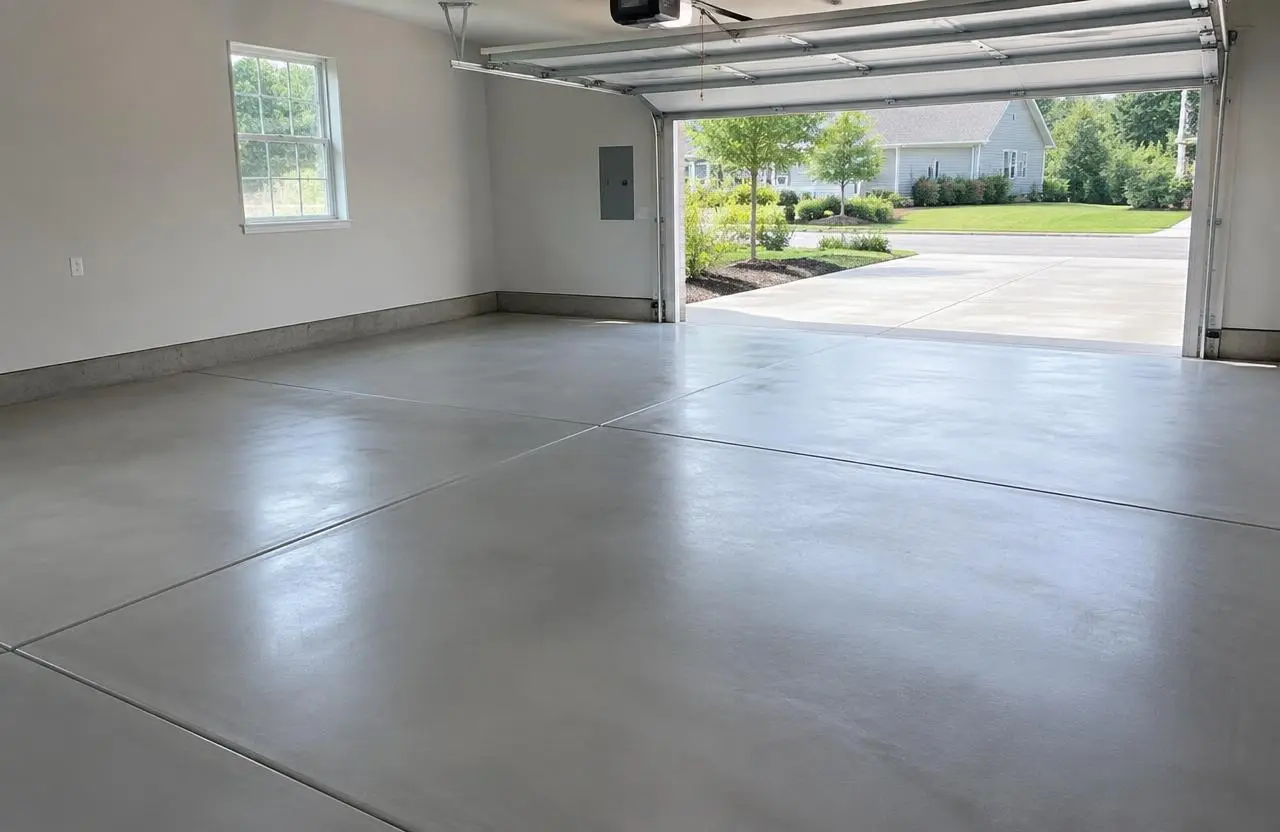 Garage Concrete FloorsPlan a garage or workshop concrete floor in Tyler, TX. Learn about loads, base preparation, moisture, finishes, joints, and what a clear estimate should cover.
Keep reading
- How Long Does Concrete Take to Cure?
Concrete can look ready before it can handle the planned load. Learn why curing time, traffic approval, and drying time are different.
- How to Prepare Your Property for Concrete Installation
Good preparation starts before the crew unloads a tool. Your main job is to clear the way, share useful site details, and keep people out of the work zone. The contractor handles construction tasks within the agreed scope. Knowing that boundary can prevent delays and keep a simple weekend cleanup from creating extra work.
- Concrete Curing in Hot Weather: A Homeowner’s Guide
Hot-weather concrete work is about more than the afternoon temperature. Sun, wind, dry air, and warm materials can make fresh concrete lose moisture fast. Tyler summers call for a plan before the truck arrives. As the owner, you should know how the surface will be protected and what you must keep off it afterward.
Ready to talk about your concrete project?
Free on-site estimates in Tyler and nearby East Texas towns.