
Concrete Sidewalks and Walkways in Tyler, TX
A walkway is the first thing guests step on. It also needs to be safe for kids, older folks and anyone carrying groceries. We pour sidewalks, garden paths, front entry walks and suitable pedestrian areas for small businesses. They're narrow jobs, but the details still matter a lot.
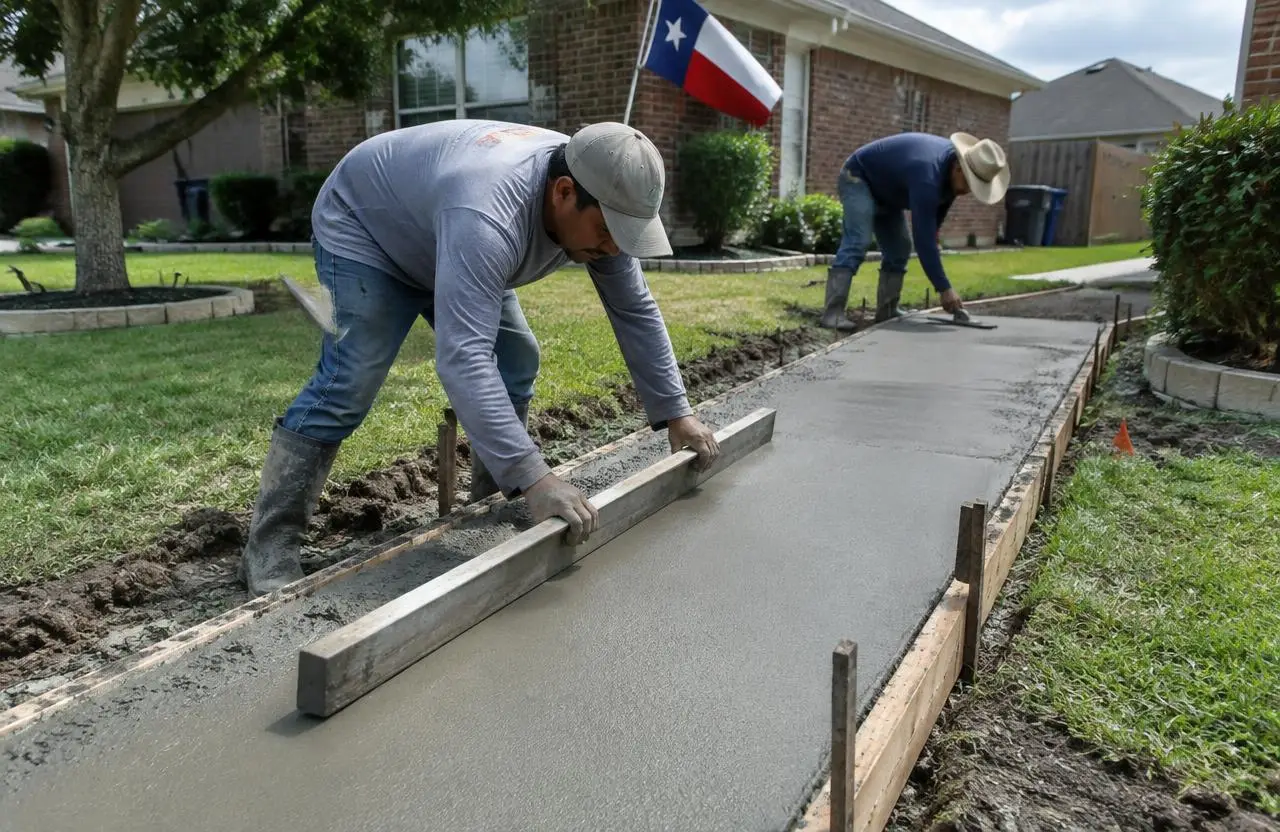
Walkway Projects
- Front walks from the driveway or street to the door.
- Side-yard paths to a gate or back yard.
- Garden and pool walkways.
- Approaches at the street or mailbox.
- Business entry walks and pedestrian paths, see commercial concrete.
How Wide and How Level
Many home walks are about 3 to 4 feet wide, but width depends on how you use it. Two people walking side by side or a wheelchair need more. Slope matters as well. A walk should be gentle enough to be safe, and it should have a slight cross slope so rain runs off the side instead of sitting.
Business or public-use walkways can have accessibility rules. Those depend on the property and project, so we ask about it early.
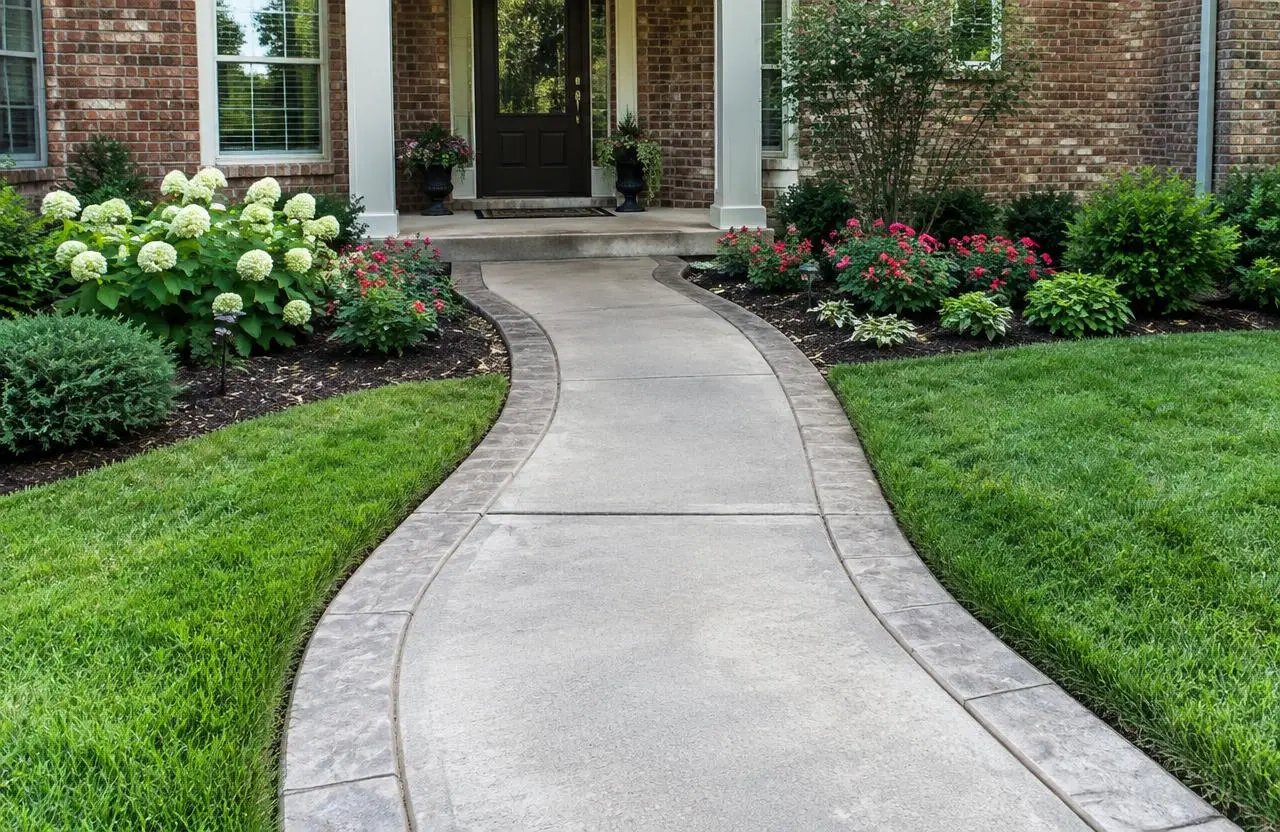
Finishes That Are Safe Underfoot
A light broom finish gives traction in wet weather. Smooth trowel surfaces look clean but can be slippery when rain hits. Some owners add a colored mix, a border, or stamped concrete patterns to match the house. Ask for a sample if you're unsure how a finish will feel.
Tree Roots, Soil and Drainage
Walks fail most often at trees. Roots lift slabs and make trip edges. We look at nearby trees and suggest a path or route that avoids the biggest roots when possible. Clay soil can move too, so the base is shaped and compacted before forms are set.
Water should shed off the walk and away from the house. Our drainage and grading post explains why this one detail saves headaches.
Process From Layout to Cure
- Mark the path and check slopes and heights at doors and driveways.
- Remove sod or old walk, see concrete removal if there's a lot.
- Compact the base and set forms.
- Pour, strike off, float and finish the surface.
- Tool or cut joints so cracks form in clean lines.
- Cure and protect the walk from foot traffic and pets.
Price Factors
Length, width, thickness, tear-out, curves, access for a truck or wheelbarrows, and finish all play a part. Short walks cost more per foot than long ones in some cases because setup time is the same. We give a written estimate after we see the site, since rough online numbers can be way off.
Keeping Walks Safe
- Sweep leaves, they stain and get slick.
- Fix raised or sunken edges soon, see repair options.
- Trim roots only with advice from an arborist, so you don't hurt the tree.
- Be careful with de-icing salt on new concrete in the first winter.
Questions to Ask a Contractor
- How will the walk meet the door, driveway and steps?
- What slope will it have?
- How will tree roots be handled?
- How long before we can walk on it?
Need steps with the walk? See concrete steps. Or return to the main concrete page.
Frequently asked questions
+How wide should a home sidewalk be?
Many are about 3 to 4 feet, but it depends on use. We will talk about width when we measure.
+Can you replace a cracked or lifted sidewalk section?
Often yes. Sometimes only a few panels need to be replaced. See concrete replacement.
+What causes sidewalks to lift?
Tree roots, soil movement and poor drainage are the usual causes. Fixing the cause matters as much as the concrete.
+Are public sidewalks different from private ones?
Yes. Public sidewalks in the city right-of-way may have their own rules. Check with the City of Tyler before work.
+What finish is least slippery?
A light broom or textured finish usually gives better traction than a smooth trowel finish.
+How soon can I walk on a new sidewalk?
It varies with weather and mix. We will tell you on the day, and keep pets and kids off until then.
Related services
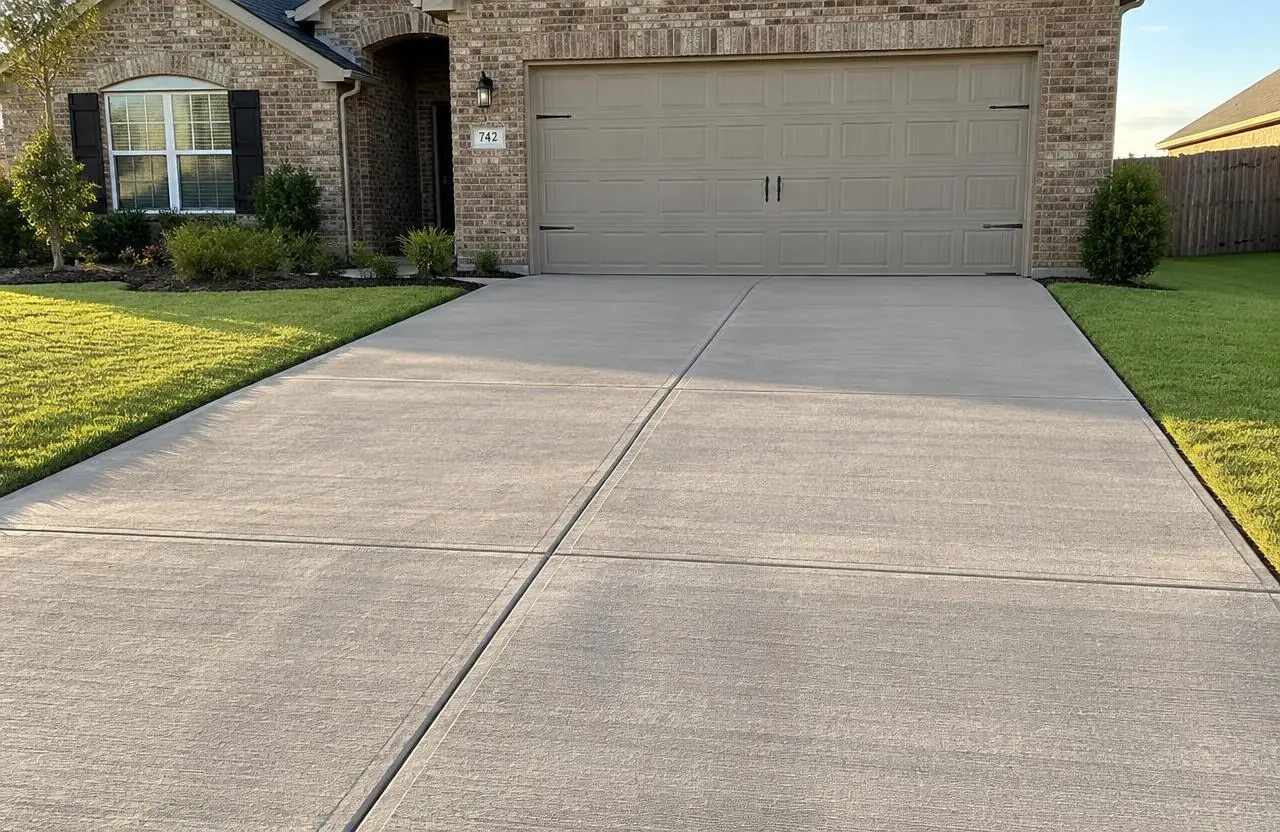 Concrete DrivewaysNew concrete driveways, widening and extensions in Tyler, TX. Proper base prep, drainage, finishing and curing. Schedule a free on-site estimate.
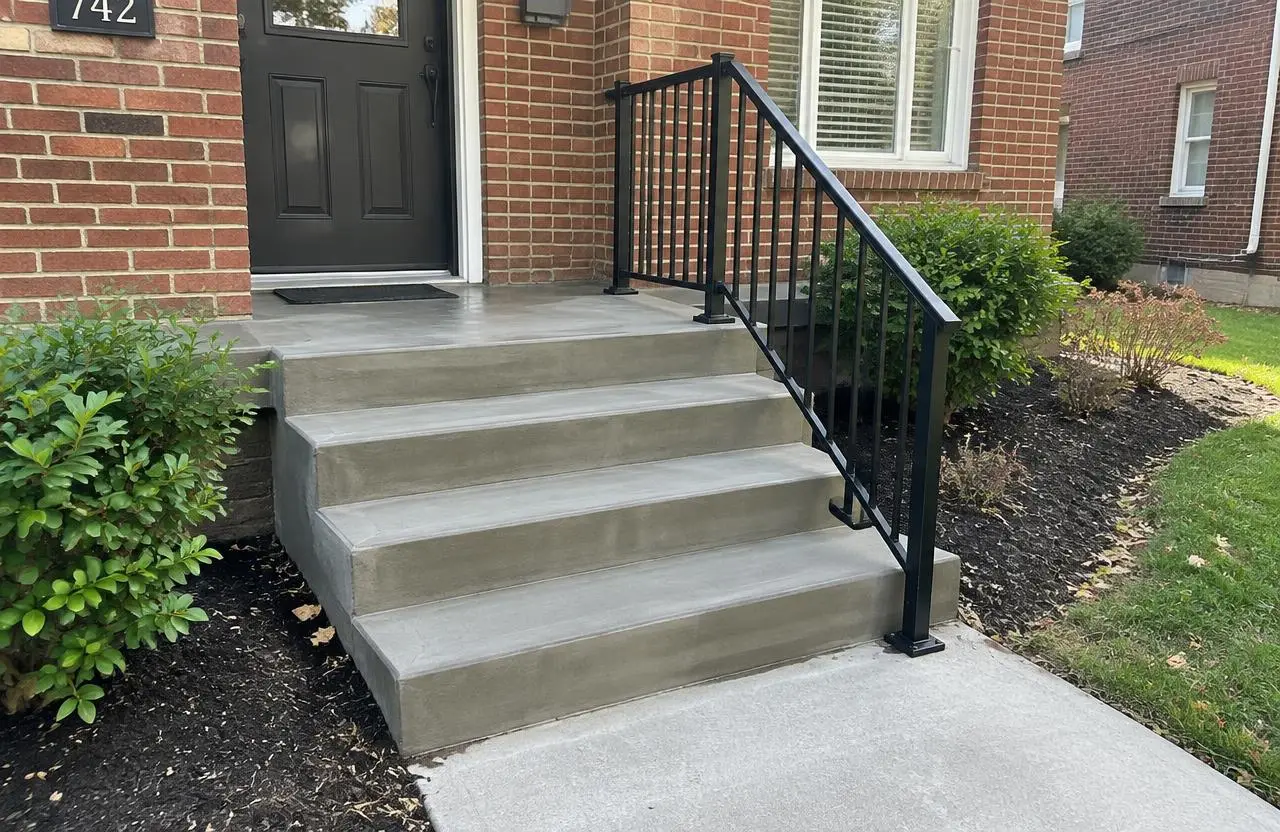 Concrete StepsPlan concrete steps, entry landings, and approaches in Tyler, TX. Explore layout, drainage, surface choices, safety details, and site-specific estimates.
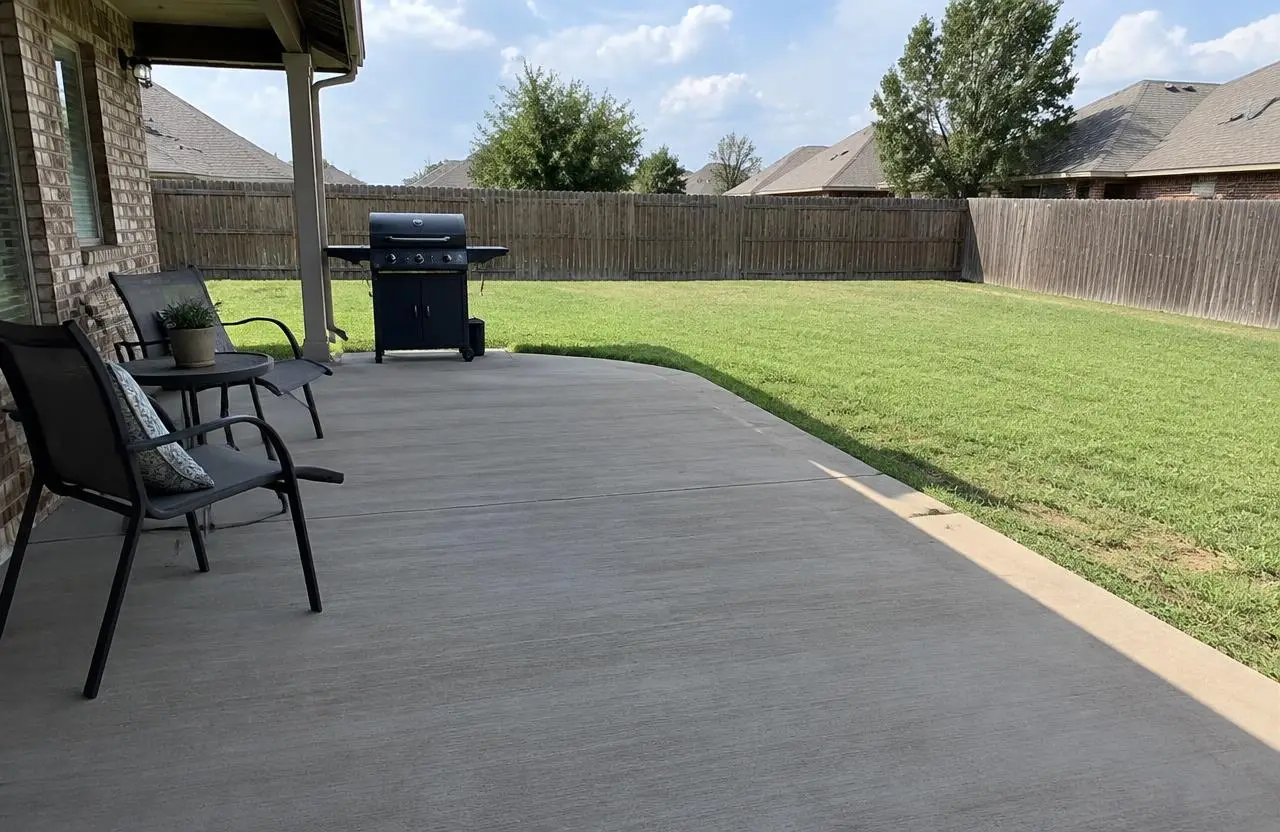 Concrete PatiosConcrete patios for East Texas back yards: layout, finishes, drainage and covered spaces. Talk to Tyler Solid Concrete for a free on-site estimate.
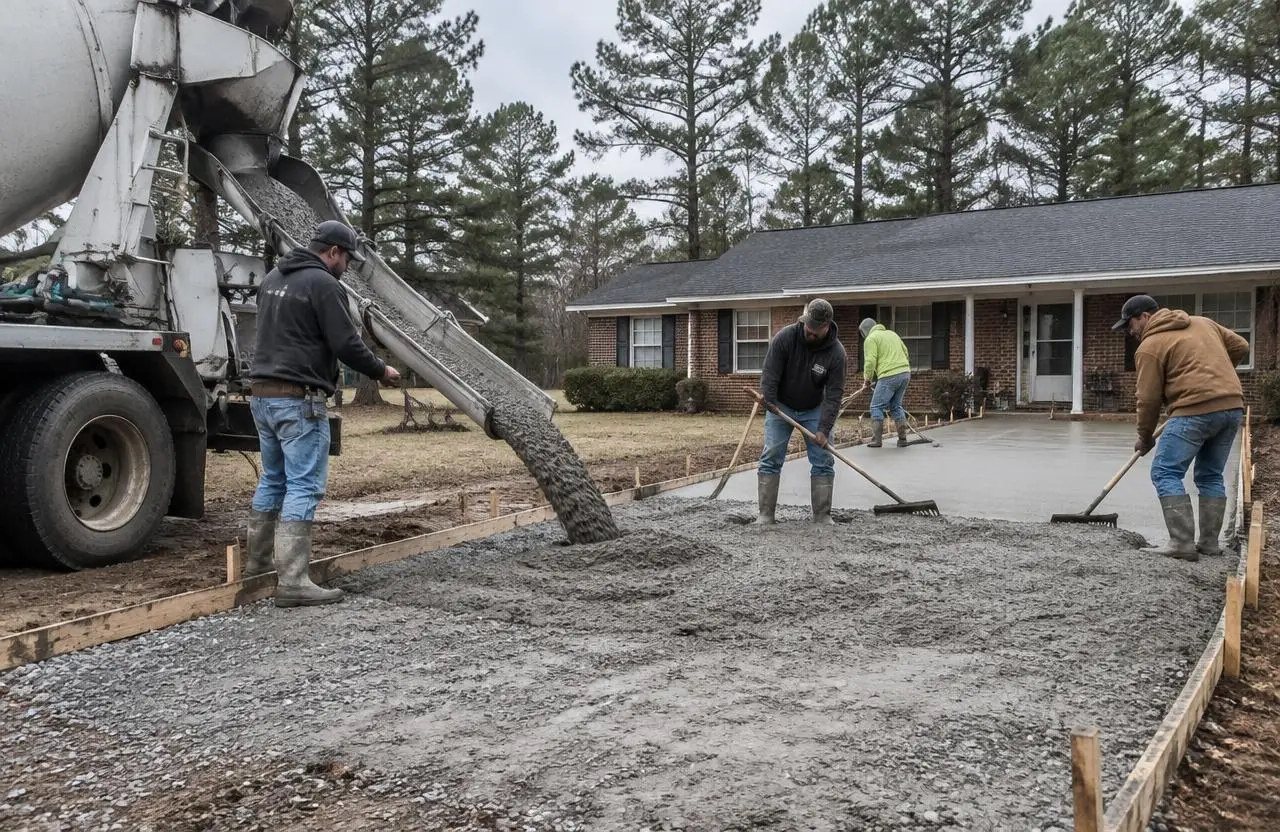 Concrete ContractorTyler Solid Concrete handles driveways, patios, slabs, sidewalks, stamped finishes and replacement in Tyler, TX. Get a free on-site estimate today.
Helpful reading
- Why Concrete Drainage and Grading Matter
A new slab changes where rain goes. Water that once soaked into grass may run toward a doorway, across a walk, or into a low corner. Good concrete planning starts with that route. Surface finish matters, but it cannot correct a slab built at the wrong height or a drain with nowhere to empty.
- How to Maintain Concrete Outdoor Surfaces
Outdoor concrete care works best as a few small habits, not one big cleaning day. Walks, steps, patios, and driveways face different use, but all benefit from clear drainage and early attention to damage. Build your routine around leaves, storms, spills, and changes in the surface rather than treating every slab with the same product.
- How Long Does Concrete Take to Cure?
Concrete can look ready before it can handle the planned load. Learn why curing time, traffic approval, and drying time are different.
Talk to us about your concrete sidewalks project
Free on-site estimates in Tyler and nearby East Texas towns.