
Concrete Curing in Hot Weather: A Homeowner’s Guide
By the Tyler Solid Concrete team · Published · Concrete Installation
Hot-weather concrete work is about more than the afternoon temperature. Sun, wind, dry air, and warm materials can make fresh concrete lose moisture fast. Tyler summers call for a plan before the truck arrives. As the owner, you should know how the surface will be protected and what you must keep off it afterward.
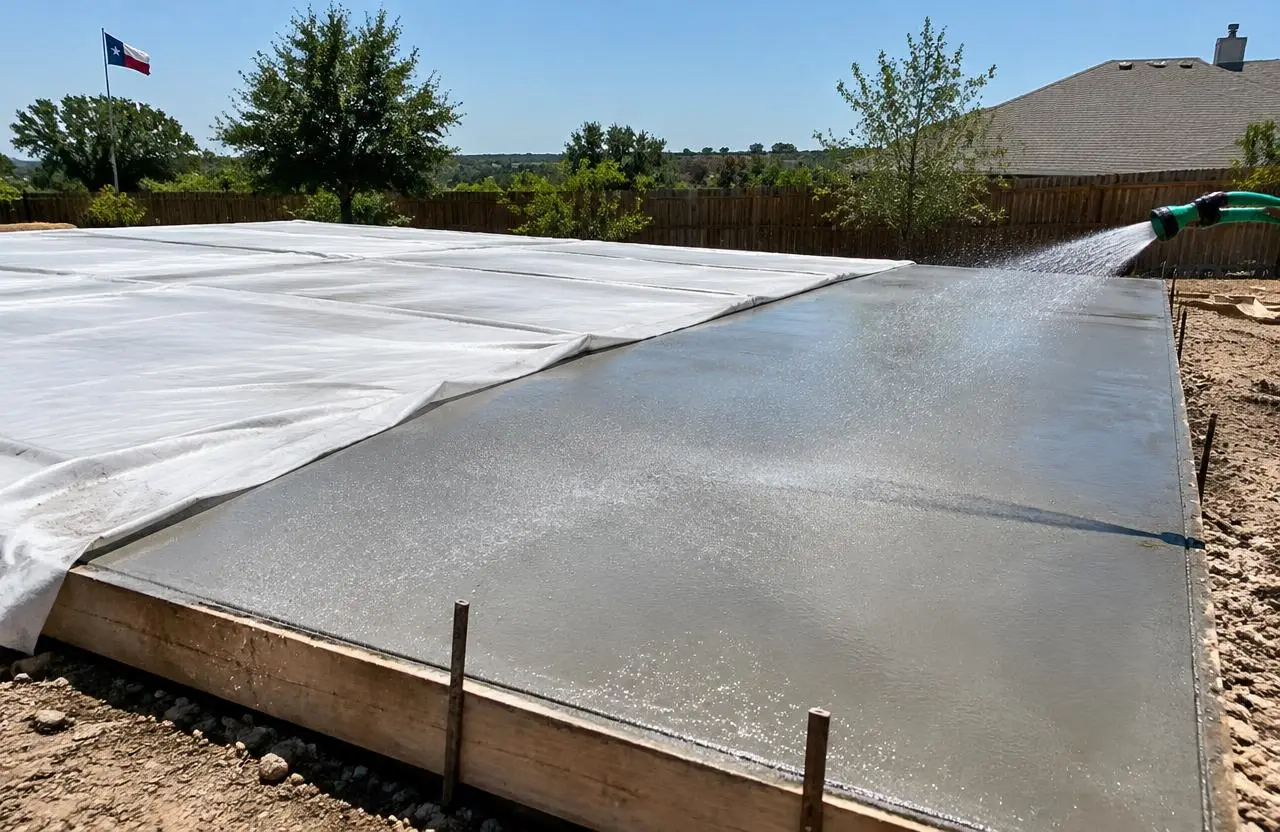
Hot-weather concrete work is about more than the afternoon temperature. Sun, wind, dry air, and warm materials can make fresh concrete lose moisture fast. Tyler summers call for a plan before the truck arrives. As the owner, you should know how the surface will be protected and what you must keep off it afterward.
Before placement: ask how drying will be controlled
Concrete hardens through a reaction between cement and water. It does not gain useful strength simply by drying out. The NRMCA guide to curing in-place concrete explains why moisture and temperature control support the properties the mix was designed to achieve. Poor early protection can leave a less durable surface even when the slab looks firm.
Ask the contractor about the forecast, truck timing, crew size, and curing materials. An earlier placement may help, but it is not a complete plan by itself. Nearby shade can shift during the job. Wind can dry an exposed corner faster than the center, especially beside an open field or along a long driveway.
- Confirm which curing method is planned and who maintains it.
- Ask how sudden wind or a delay in delivery will be handled.
- Discuss access to water if the selected method needs it.
- Keep pets, children, and unrelated foot traffic outside the work zone.
During finishing: leave water decisions to the crew
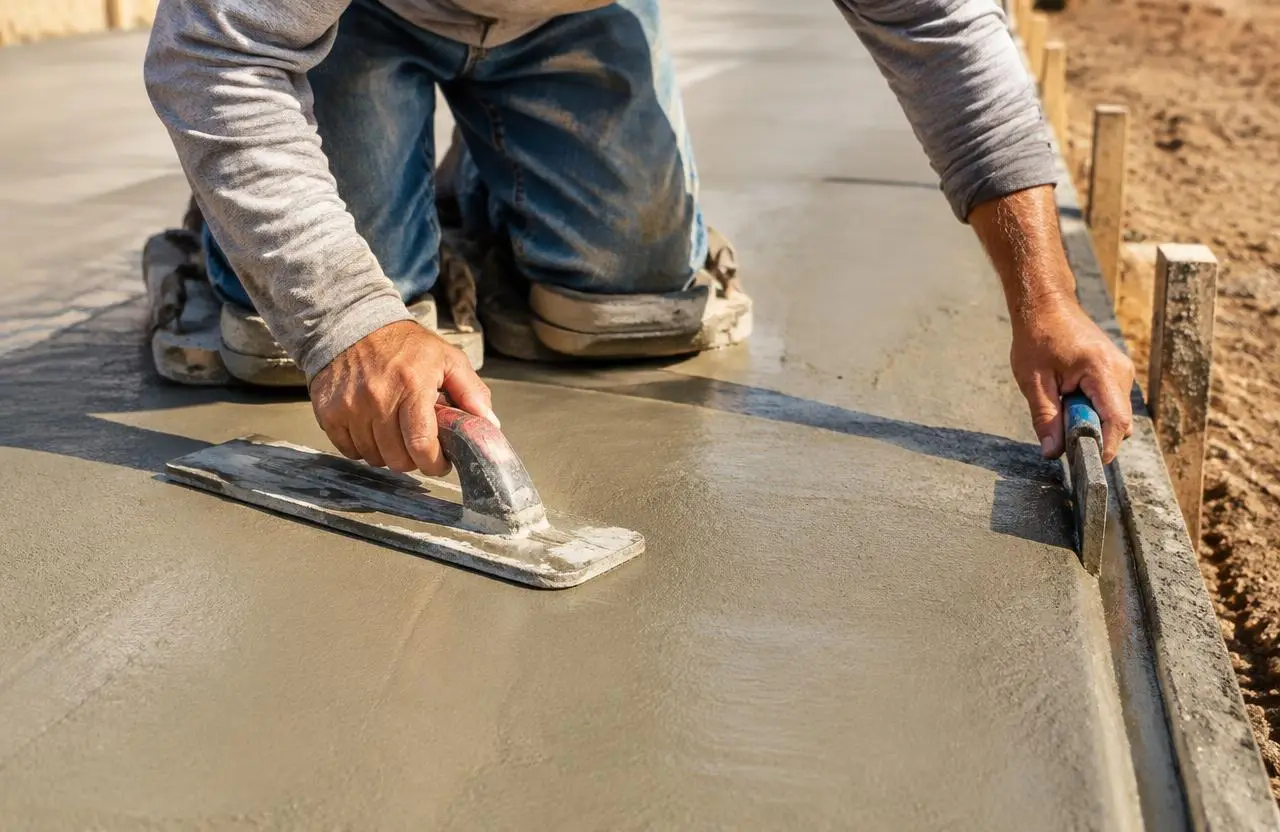
Do not spray fresh concrete or add water to a delivery on your own. Extra water worked into the surface can weaken it. The crew must follow the mix requirements and proper finishing steps. Bleed water, evaporation control, and curing water have different roles, so treating them as the same thing can lead to mistakes.
Fast surface drying can cause plastic shrinkage cracks before the concrete has fully set. These differ from later cracks caused by shrinkage, loading, or soil movement. The NRMCA hot-weather concreting guidance discusses the combined effects of temperature, wind, and humidity, along with planning measures that reduce the risks.
After finishing: protect the chosen curing method
Curing may use a suitable compound, moisture-retaining coverings, or a managed wet method. The choice depends on the project and later finish. A curing compound may affect the bond of a future coating, so tell the crew if you plan to add stain, paint, tile, or another treatment. Product compatibility should be checked before placement.
If coverings are used, they need proper contact and care. A loose edge that dries out may defeat the purpose in that spot. Do not lift covers for a photo or move them without asking. For wet curing, follow the contractor’s specific instructions rather than switching between long dry periods and occasional heavy soaking.
The next few days: keep use and strength separate
A surface can feel hard before it is ready for its intended load. Walking, parking, tight tire turns, and storing materials place different demands on it. Release times depend on the mix, weather, curing, and project requirements. Use the crew’s written instructions rather than a neighbor’s schedule or one number found online.
Do not treat a stated design age as an automatic permission to drive. Strength development varies, and special conditions may need testing or review. The curing timeline guide explains these stages. For vehicle use, also read when to drive on new concrete before arranging deliveries or moving cars back.
If something looks wrong, record it early
Photograph dry patches, lifted coverings, surface cracks, or unexpected footprints and tell the contractor promptly. Avoid trying to smooth, fill, or wash the spot yourself. Keep a note of when the change appeared. A photo alone cannot establish the cause, but an early record is more useful than a guess made weeks later.
Hot weather does not mean every crack is a failed slab. It does mean early protection deserves attention. Our concrete installation process shows how curing fits with base work, placement, and joints. Those steps work together; careful curing cannot correct poor support, and good support cannot replace proper surface care.
Plan your part before pour day
Arrange another parking area, reroute deliveries, and tell household members how long the work zone stays closed. Make sure no sprinkler timer will wet the fresh surface without approval. Its easy to forget an automatic system when planning around the concrete truck. Also keep lawn equipment away until the contractor releases the area for that use.
When requesting a new concrete driveway or a slab for a shop or shed, ask for curing and handover details in the estimate. Contact Tyler Solid Concrete to discuss the site and summer schedule. A clear plan should identify the method, owner duties, and use restrictions, not just the day concrete arrives.
Sources
Related concrete services
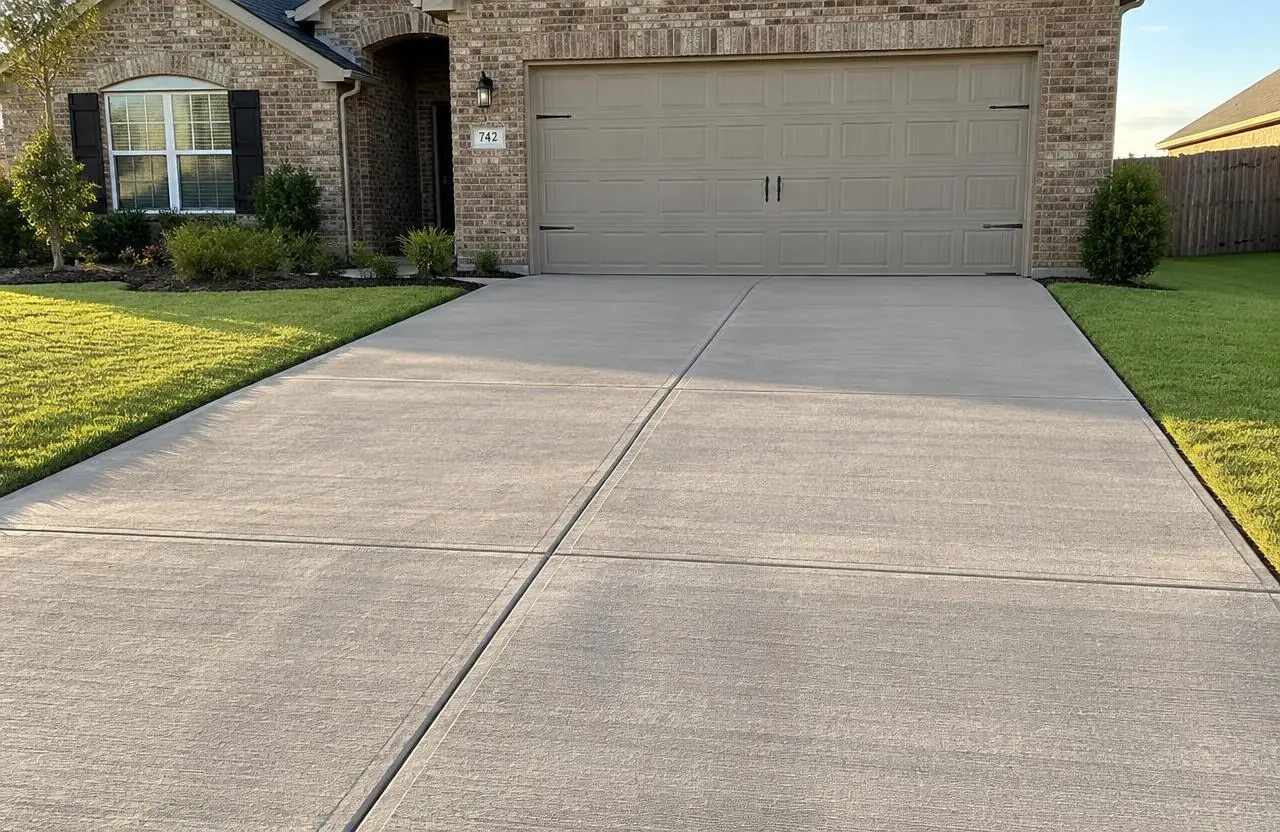 Concrete DrivewaysNew concrete driveways, widening and extensions in Tyler, TX. Proper base prep, drainage, finishing and curing. Schedule a free on-site estimate.
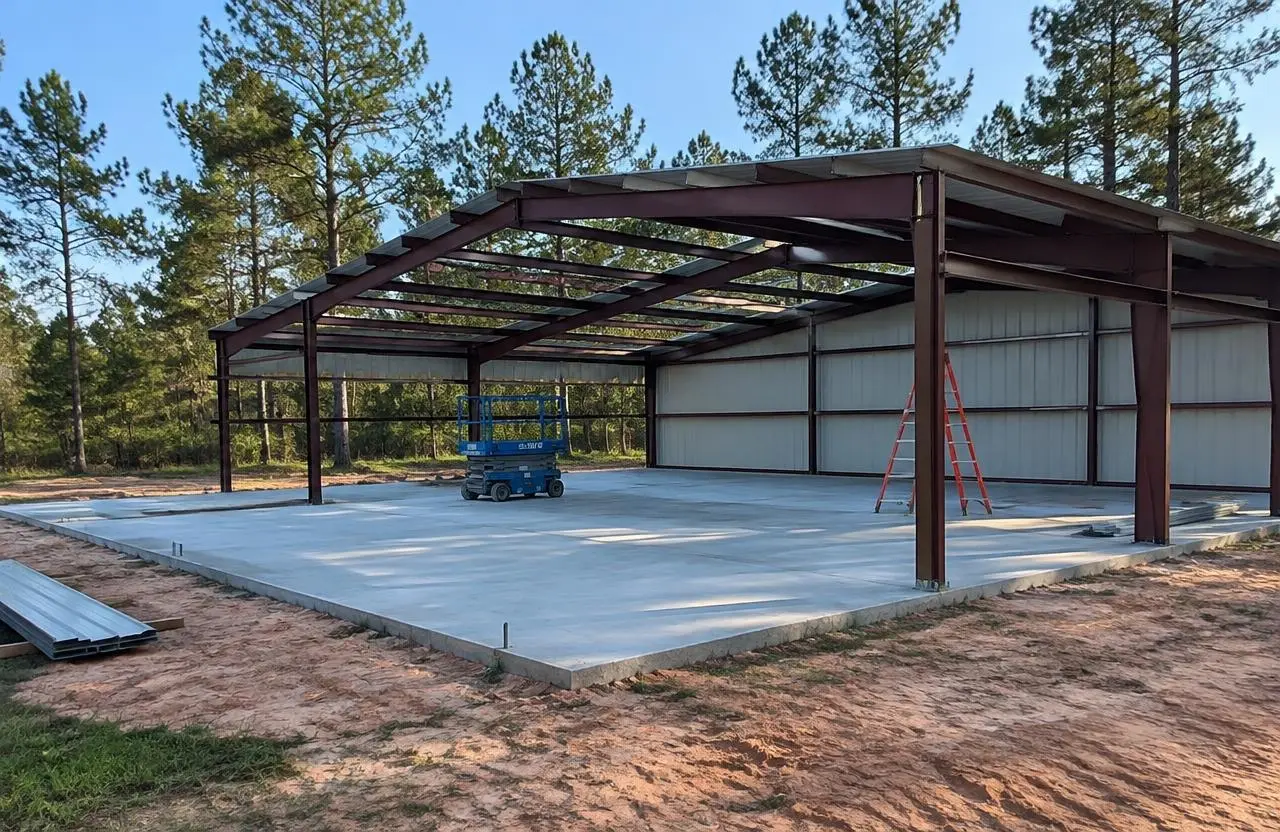 Concrete SlabsConcrete slabs for sheds, shops, garages and equipment in Tyler, TX. Thickness and reinforcement are set by load, soil and code. Free estimates.
Keep reading
- How Long Does Concrete Take to Cure?
Concrete can look ready before it can handle the planned load. Learn why curing time, traffic approval, and drying time are different.
- When Can You Drive on New Concrete?
Wait until your contractor releases the driveway for your specific vehicle. Many ordinary residential projects use about seven days as a planning point for passenger cars, but that is not a guarantee. The mix, weather, curing, slab design, and actual strength can change the wait. Heavy vehicles often need longer and separate approval.
- Concrete Installation Process
Ready to talk about your concrete project?
Free on-site estimates in Tyler and nearby East Texas towns.