
What Affects the Cost of a Concrete Driveway?
By the Tyler Solid Concrete team · Published · Costs and Planning
Two driveways with the same square footage can have very different estimates. One may sit on firm, open ground. The other may need demolition, soil work, and a way to move concrete through a narrow gate. The best starting point is not a price per foot. It is a clear picture of the whole job.
Two driveways with the same square footage can have very different estimates. One may sit on firm, open ground. The other may need demolition, soil work, and a way to move concrete through a narrow gate. The best starting point is not a price per foot. It is a clear picture of the whole job.
Think in layers instead of one price
A driveway estimate pays for more than the concrete truck. It can include planning, removal, hauling, grading, base work, forms, reinforcement, placement, finishing, joints, and curing. Some quotes group those tasks together. Others list them separately. Either format can work if the scope is clear enough to compare.
Start with a rough sketch showing length, width, curves, and parking areas. Mark the garage, street, gates, trees, and downspouts. Measurements help with early planning, but they do not reveal buried fill or the depth of an old slab. An on-site estimate is the only real number for your property.
The ground sets the starting budget
Removing an old driveway takes labor, equipment, hauling, and disposal. Thick sections, buried footings, or embedded steel may change that work. Ask whether the estimate includes removing the whole slab, not just covering it. Also ask how hidden conditions will be documented and approved before added charges are made.
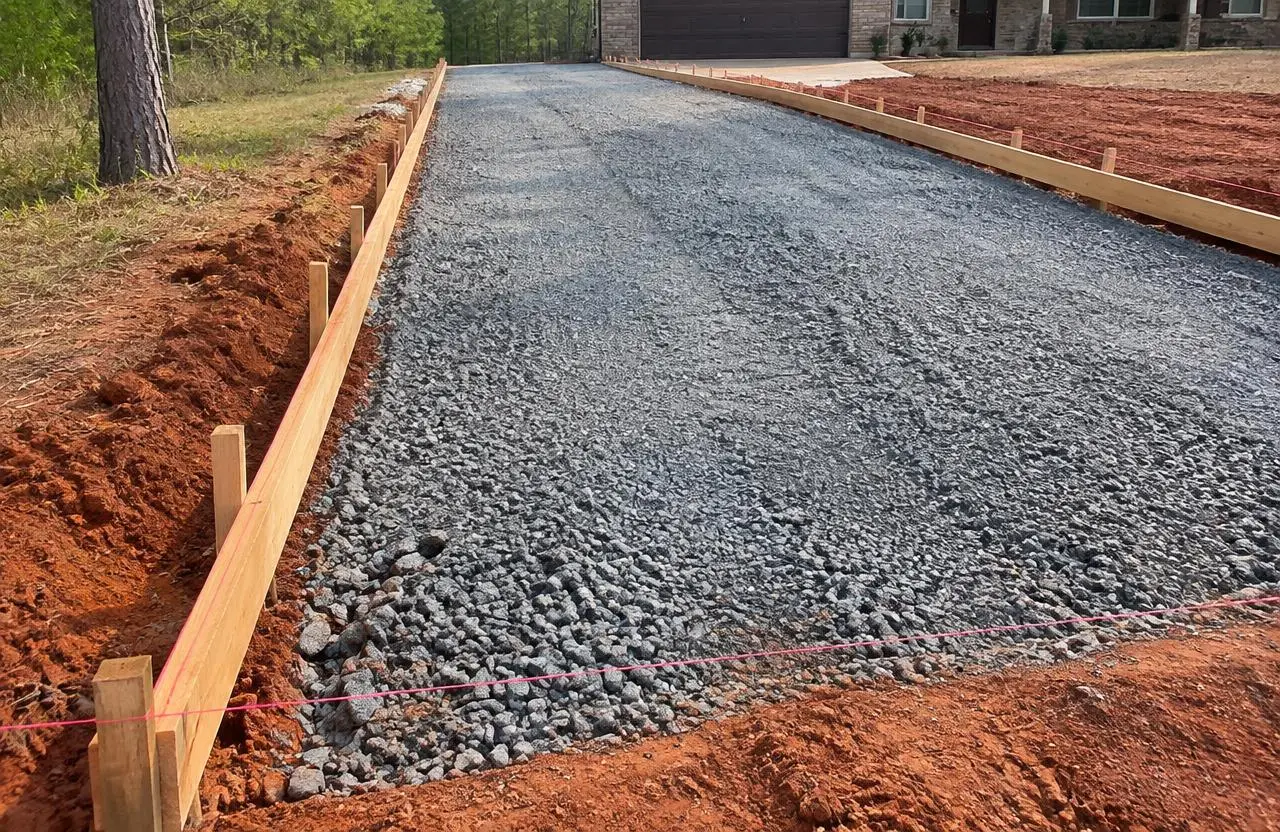
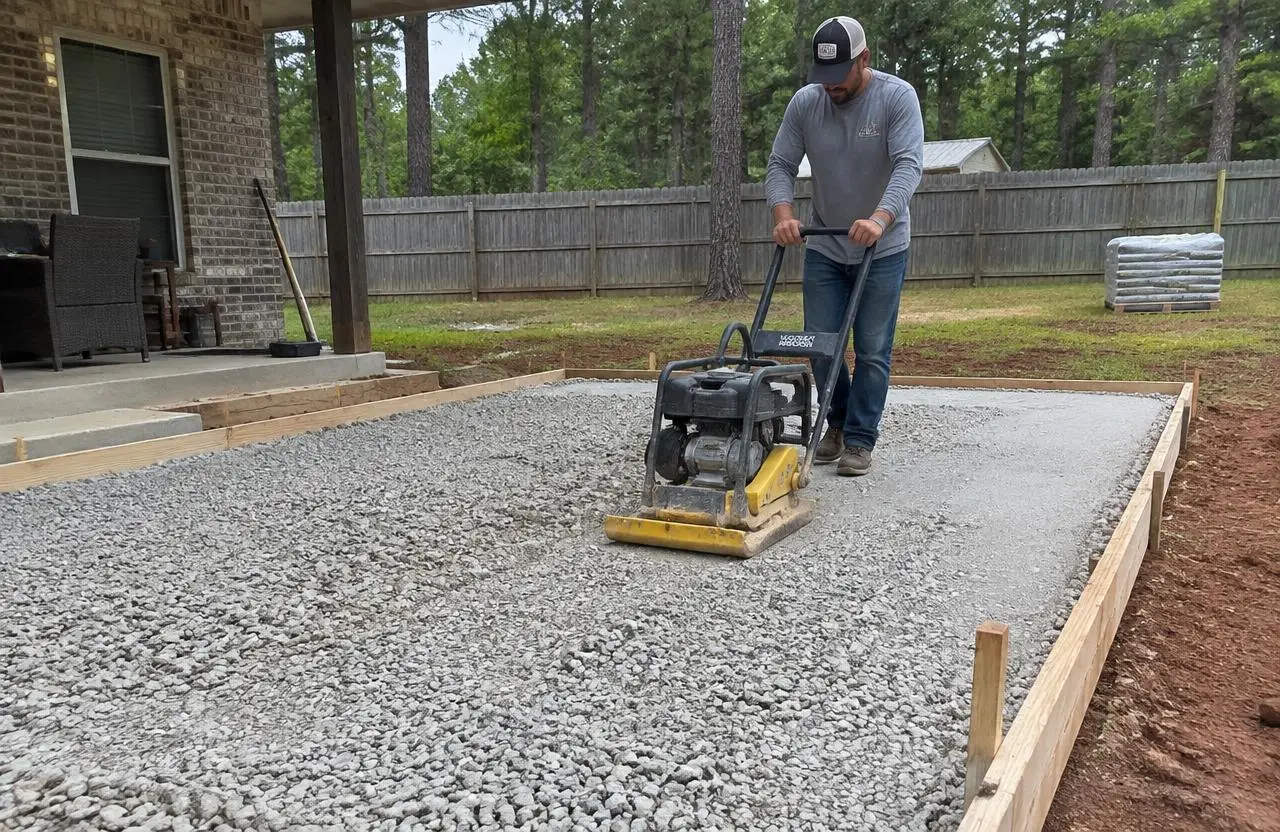
Below the concrete, soft soil may need removal or treatment. Fill may need placement in suitable layers and compaction. East Texas clay can move with moisture changes, while other sites have sandy material. A contractor should judge the actual ground rather than assume every lot needs the same base depth or material.
Water control belongs in this early budget too. A driveway that sends rain toward a garage may need a different grade or a drain detail. That work can cost more up front, but leaving it out does not make the water disappear. Read about drainage and grading before cutting site work from a proposal.
Access changes the work you cannot see
A truck may reach a wide driveway easily but be unable to enter a tight side yard. Pumping or moving concrete with smaller equipment adds planning and labor. Overhead wires, slopes, weak access routes, and room for truck turns also matter. Access must be safe, not merely possible on a drawing.
Ask where materials will be staged and which surfaces equipment will cross. Lawn repair, fence removal, and protection for nearby paving may or may not be included. A lower quote can become less useful if it leaves you to arrange those jobs at the last minute.
Design choices affect material and labor
More area generally means more material, but shape matters as well. Curves and extra corners take more formwork than a simple rectangle. Thickness and reinforcement should follow the soil, loads, design, and code. Do not choose a thinner slab just to match a budget if the planned use needs more support.
A broom finish is different work from a patterned, colored surface. Decorative work can involve samples, color products, extra steps, and later sealing. Ask how slip resistance and maintenance will be handled. Compare driveway installation options with your needs before treating every finish as an equal choice.
Curing also takes materials and time. The NRMCA explanation of curing concrete describes why moisture and temperature control matter for strength and durability. A careful estimate should include that protection rather than end its scope when the surface is smooth.
Compare proposals using the same checklist
- Confirm the measured area, planned use, and finish in every quote.
- Match demolition, disposal, grading, base work, and drainage allowances.
- Check the concrete specification, reinforcement plan, joints, and curing method.
- Ask about access protection, cleanup, traffic release, payment stages, and changes.
If one bid is much lower, ask what is different rather than assuming it is wrong. It may use a smaller area or leave out an important task. A little more detail now can save alot of confusion later. Avoid comparing a rough phone estimate with a fully measured written scope.
Keep the budget tied to the job
Pick the must-haves first: safe access, proper support, useful parking space, and a sound drainage plan. Then price optional widening or decorative features separately. Our estimate checklist and contractor selection advice can help you ask clear questions without buying by price alone.
For project-specific planning, visit the Tyler driveway cost page and schedule a free estimate. Share your sketch, vehicle types, access concerns, and any standing-water photos. Those details help turn a broad budget question into a written plan you can actually use.
Sources
Related concrete services
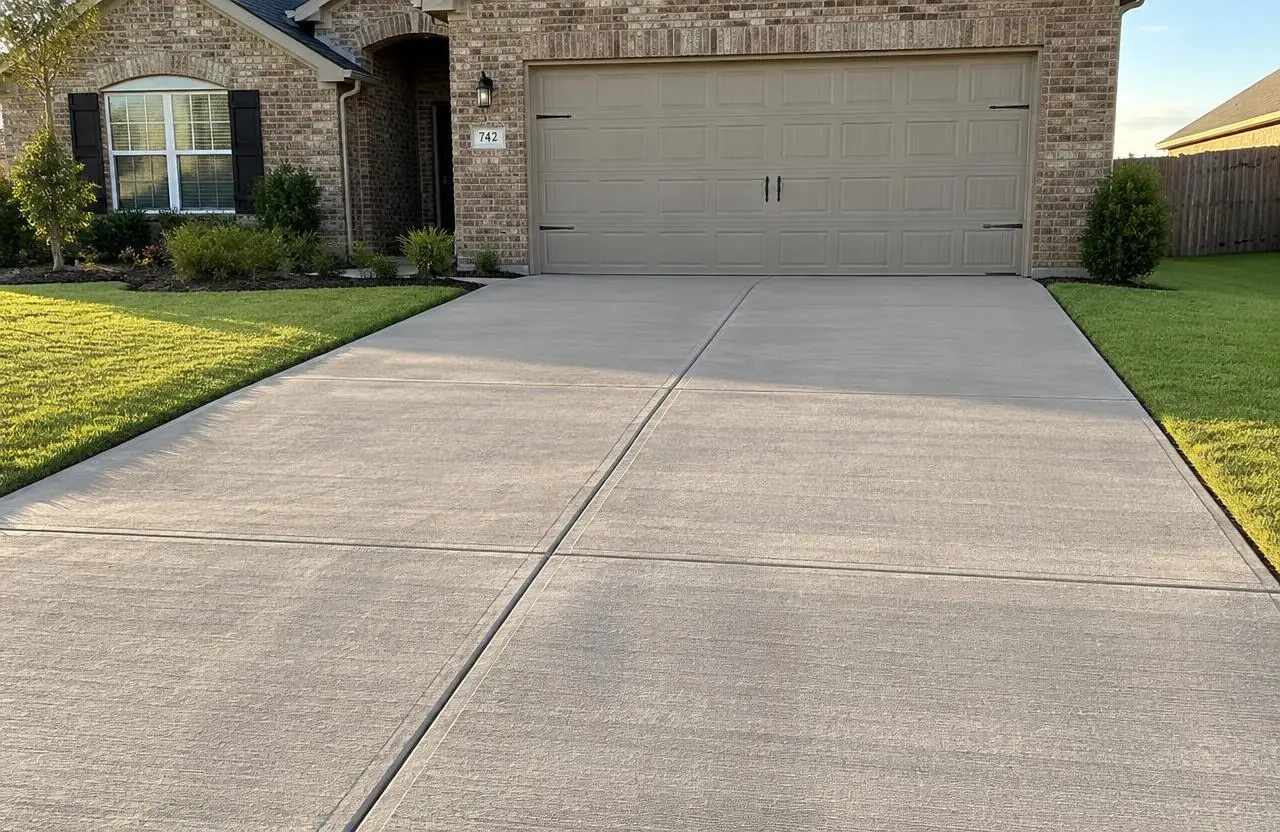 Concrete DrivewaysNew concrete driveways, widening and extensions in Tyler, TX. Proper base prep, drainage, finishing and curing. Schedule a free on-site estimate.
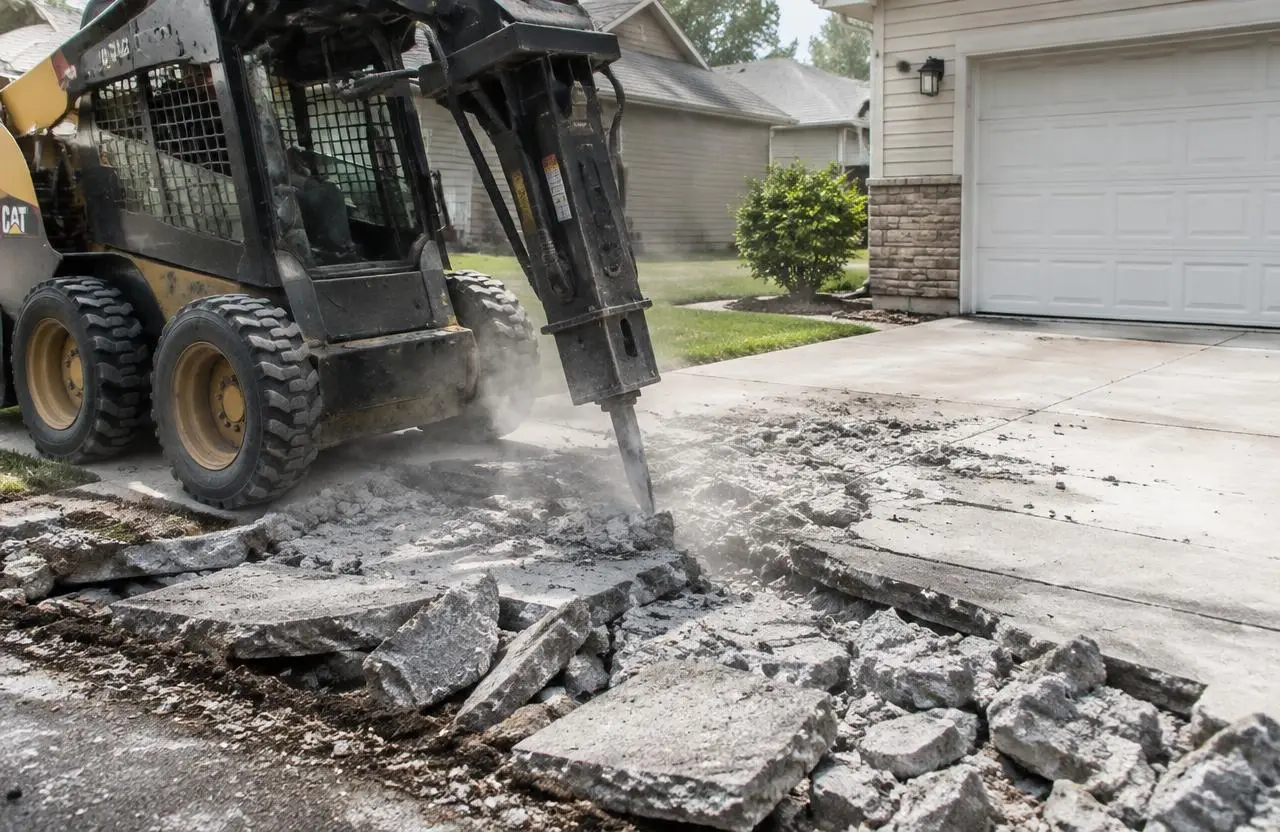 Concrete RemovalPlan concrete removal in Tyler, TX, with clear demolition limits, utility checks, hauling, disposal, and preparation for the next use of your site.
- Concrete Driveway CostUnderstand concrete driveway cost factors in Tyler, TX. Compare size, demolition, access, drainage, base work, finishes, and the details behind an estimate.
Keep reading
- What to Include in a Concrete Project Estimate
Two concrete estimates can name the same square footage and still describe very different jobs. One may include removal, base repairs, and final cleanup. The other may cover only placing concrete on a ready site. A useful estimate turns the conversation into a written scope, so you can compare the work rather than just the bottom line.
- How to Choose a Concrete Contractor in Tyler
Choosing a concrete contractor is easier when you know what a good conversation sounds like. You do not need to become a concrete expert. You do need clear answers about the ground, the work, the price, and what happens after the pour. A friendly first call is useful, but it is only the start.
- Why Concrete Drainage and Grading Matter
A new slab changes where rain goes. Water that once soaked into grass may run toward a doorway, across a walk, or into a low corner. Good concrete planning starts with that route. Surface finish matters, but it cannot correct a slab built at the wrong height or a drain with nowhere to empty.
Ready to talk about your concrete project?
Free on-site estimates in Tyler and nearby East Texas towns.