
Common Causes of Concrete Driveway Cracks
By the Tyler Solid Concrete team · Published · Repairs and Maintenance
A crack across your driveway does not tell the whole story. Some cracks form as new concrete shrinks. Others point to moving soil, poor support, or loads the slab was not built to carry. Before buying a patch, look at the shape of the crack, the height of each side, and where rainwater goes.
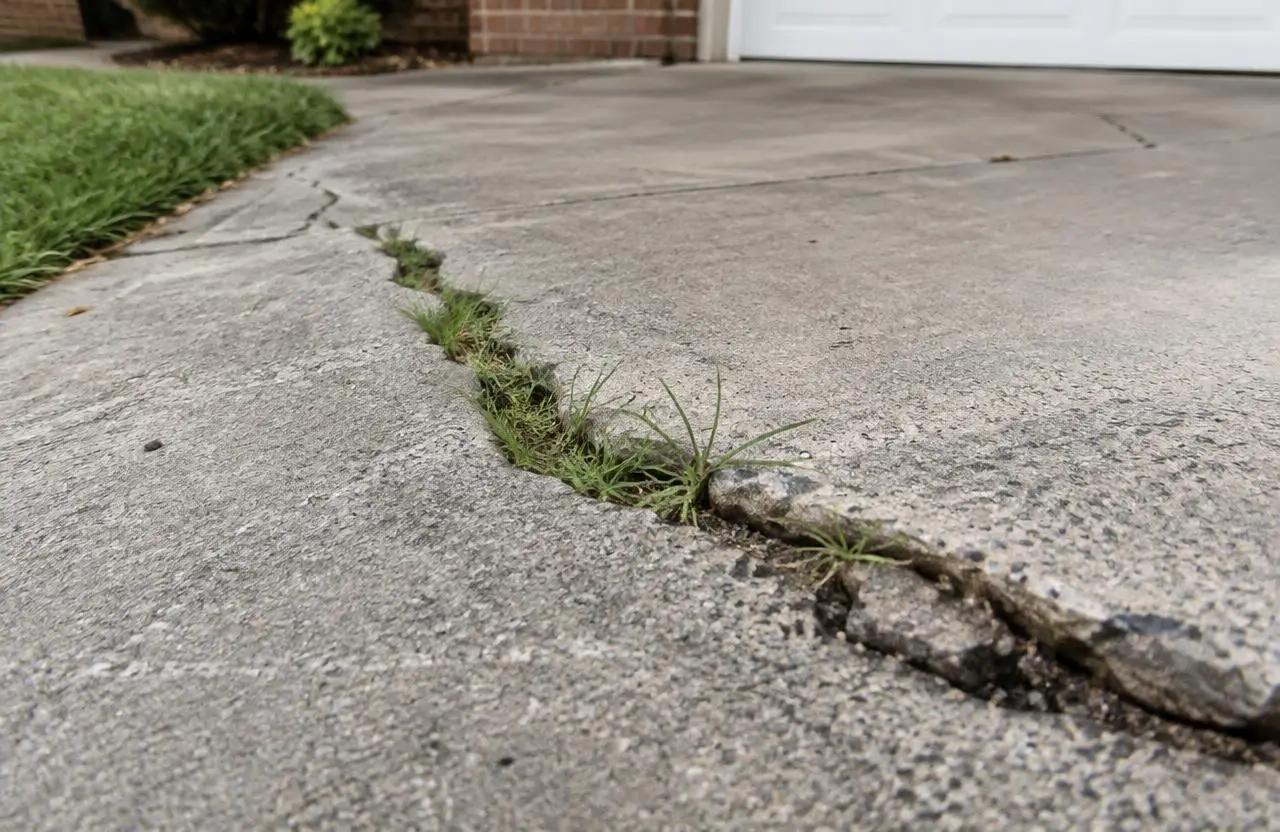
A crack across your driveway does not tell the whole story. Some cracks form as new concrete shrinks. Others point to moving soil, poor support, or loads the slab was not built to carry. Before buying a patch, look at the shape of the crack, the height of each side, and where rainwater goes.
Start with what the crack is doing
Take a clear photo with a ruler beside the crack. Note the date and whether the slab is wet or dry. Check again after a wet spell and later in dry weather. A single photo cannot show movement, but a short record can help a contractor see whether the problem is changing. Keep notes about recent storms and any nearby digging as well.
A narrow crack with level edges may be mostly a surface concern. A crack with one side raised can be a trip hazard and may show lost support. Several broken pieces near a driveway edge deserve attention too. Width alone does not prove that a slab is safe or that it needs replacement.
Shrinkage and joints explain many early cracks
Concrete changes size as it loses moisture and cools. Because the ground and nearby structures can resist that movement, stress builds inside the slab. Control joints create planned weak lines where cracks are more likely to form. They manage cracking; they do not promise a crack-free driveway.
Joint layout, depth, and cutting time all matter. Long narrow panels and corners around drains can make planning harder. Isolation joints serve a different job by allowing movement next to certain fixed objects. The NRMCA guide to concrete cracking explains how joints, support, finishing, and curing affect cracks.
East Texas soil can change the support below
Clay soils found around East Texas can swell when wet and shrink when dry. Some lots have sandy soils or mixed fill instead. That is why the soil on your street is not enough to choose a base plan. A driveway needs support suited to the actual site, its drainage, and the expected vehicle loads.
Buried roots, soft spots, and poorly compacted trench fill can leave weak areas. The concrete may bridge a small gap for a while, then crack under a wheel. Reinforcement can help control crack opening when properly designed and placed, but it cannot turn loose ground into a sound base.
Water can turn a small weakness into a bigger one
Watch your driveway during a steady rain from a safe spot. Does a downspout dump water along one edge? Does runoff cut a channel beside the slab? Water can soften some soils and carry away loose material. A surface patch will not fix that route, even if it hides the crack for a while.
Look for low spots, mud pumping through joints, and a widening gap beneath exposed edges. Do not crawl under a slab or dig out its support to investigate. Our article on grading and concrete drainage explains why water should be part of the repair plan, not an afterthought.
Loads and early care also leave clues
A driveway meant for passenger cars may not suit loaded delivery trucks, dumpsters, or heavy trailers. Edges are especially vulnerable when wheels roll close to unsupported ground. Slab thickness and reinforcement depend on loads, soil, design, and applicable code. There is no single recipe that fits every driveway in Tyler.
New concrete also needs moisture and temperature control while it gains strength. Hot sun and wind can dry the surface too quickly. Adding extra water or finishing at the wrong time can hurt the surface. A slab that looks dry is not necessarily ready for traffic, so follow the project release instructions.
Choose the next step by cause, not appearance
- Level, stable cracks: ask whether cleaning and a suitable sealant would help limit water entry.
- Uneven or moving sections: have the support and drainage assessed before picking a repair.
- Widespread breakup: compare targeted repairs with removal and replacement, including the base work.
Filling a moving crack may need repeat attention. Its easy to focus on the line you can see and miss the soil below it. Use our repair or replacement guide to sort your questions before an inspection. Keep vehicles away from damaged edges if support looks uncertain.
For help with driveway crack repairs, share photos and explain when the damage first appeared. Review driveway cost factors if replacement may be needed, then request an on-site estimate. The useful answer is a plan for the cause, not just a product to cover the symptom.
Sources
Related concrete services
- Concrete RepairExplore concrete repair options in Tyler, TX, from surface damage to cracks. Learn when repairs make sense and when replacement deserves a closer look.
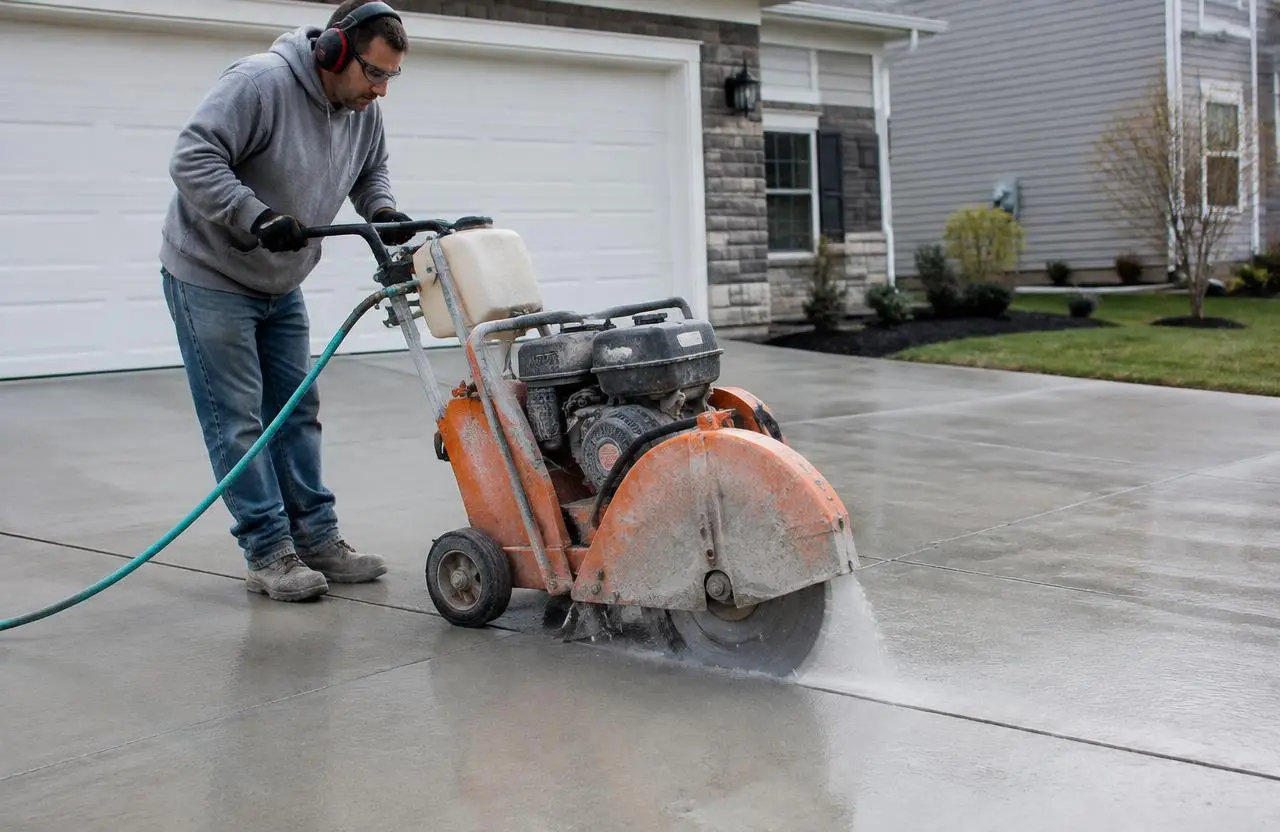
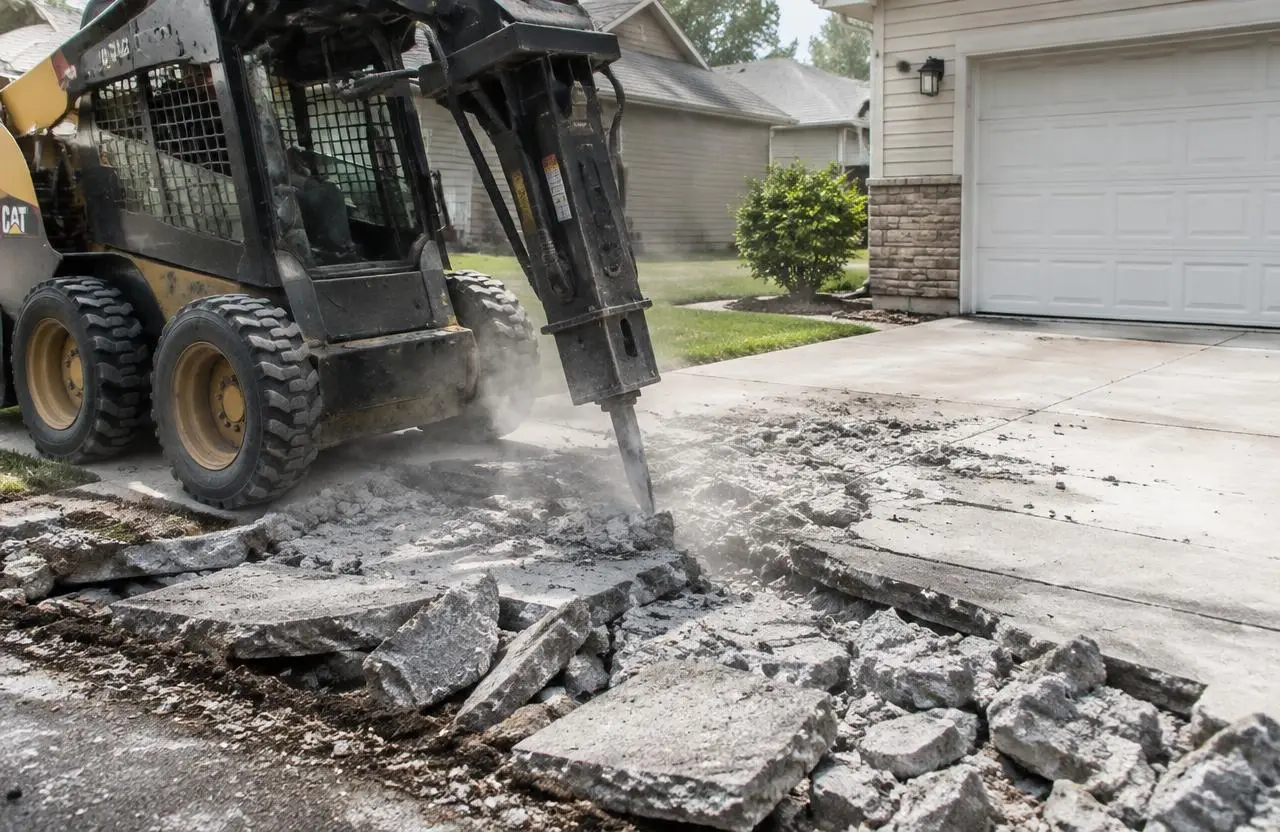 Concrete ReplacementReplace cracked, sunken or worn concrete in Tyler, TX. We remove it, fix the base and pour new. Learn when repair is not enough. Free estimates.
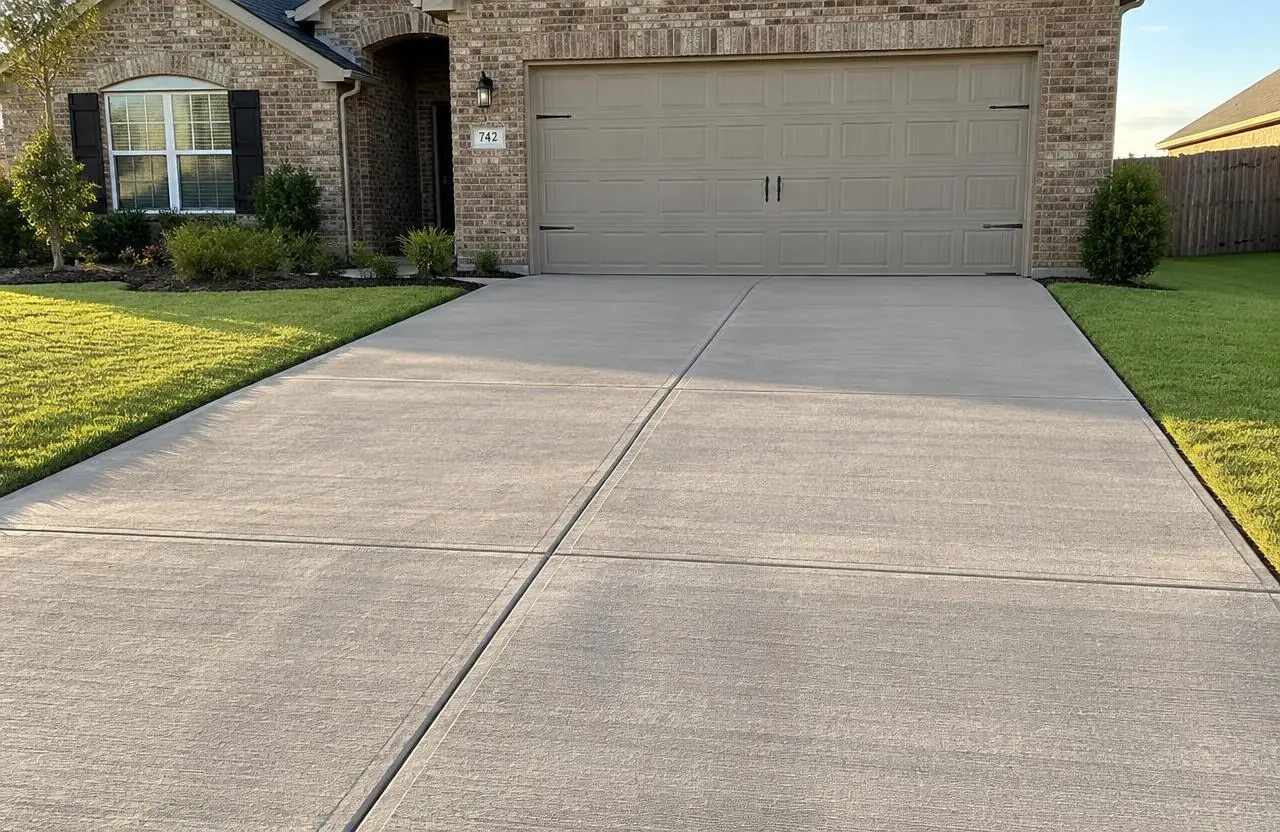 Concrete DrivewaysNew concrete driveways, widening and extensions in Tyler, TX. Proper base prep, drainage, finishing and curing. Schedule a free on-site estimate.
Keep reading
- Concrete Driveway Repair or Replacement?
A useful driveway decision starts below the surface. Learn which problems may suit a repair and which need a closer look at the base.
- Why Concrete Drainage and Grading Matter
A new slab changes where rain goes. Water that once soaked into grass may run toward a doorway, across a walk, or into a low corner. Good concrete planning starts with that route. Surface finish matters, but it cannot correct a slab built at the wrong height or a drain with nowhere to empty.
- How to Maintain a Concrete Driveway
A simple routine helps you spot water problems, surface wear, and moving cracks before you choose a repair that may not fit.
Ready to talk about your concrete project?
Free on-site estimates in Tyler and nearby East Texas towns.