The Concrete Installation Process, Step by Step
The finished surface is only one part of a concrete job. Planning, ground preparation, placement, and curing all affect the result. Tyler Solid Concrete explains the main steps so you know what to ask and what to expect at your property.
1. Define the project and intended use
Start with the purpose: parking, outdoor seating, a walkway, or a workshop floor. Record dimensions, expected loads, finish preferences, and future additions. A shed slab and a delivery approach need different planning. Our concrete contractor page helps connect the project to the right service.
Agree on the written scope before scheduling. It should identify demolition, excavation, drainage, finish, cleanup, and exclusions. Confirm who handles permits, design, and inspections. Structural work or unusual loads may require an engineer. Ask how changes will be approved if hidden conditions appear.
2. Check the site, utilities, and access
Check elevations, nearby buildings, gates, overhead limits, and equipment routes. Arrange required utility locating and discuss privately owned lines. Mark areas that must be protected. Homeowners should move vehicles, furniture, and loose items, then set a safe route for family members and pets.
Water needs a destination before concrete levels are set. Check downspouts, low spots, door thresholds, and connections to existing paving. East Texas rain can turn a minor grading mistake into a pond. Read the property preparation guide for tasks to handle before the crew arrives.
3. Remove old material and prepare the ground
Where needed, existing concrete is separated, broken, and hauled away. Excavation then makes room for the planned slab and supporting materials. Soft spots, roots, or unsuitable fill may need attention. These conditions should be reviewed rather than covered just to keep the original schedule.
Suitable base materials and compaction depend on the site and design. Clay soils that swell and shrink need particular care with moisture and drainage. There is no single base depth for every job. The slab thickness guide explains why loads and support must be considered together.
4. Set forms and specified reinforcement
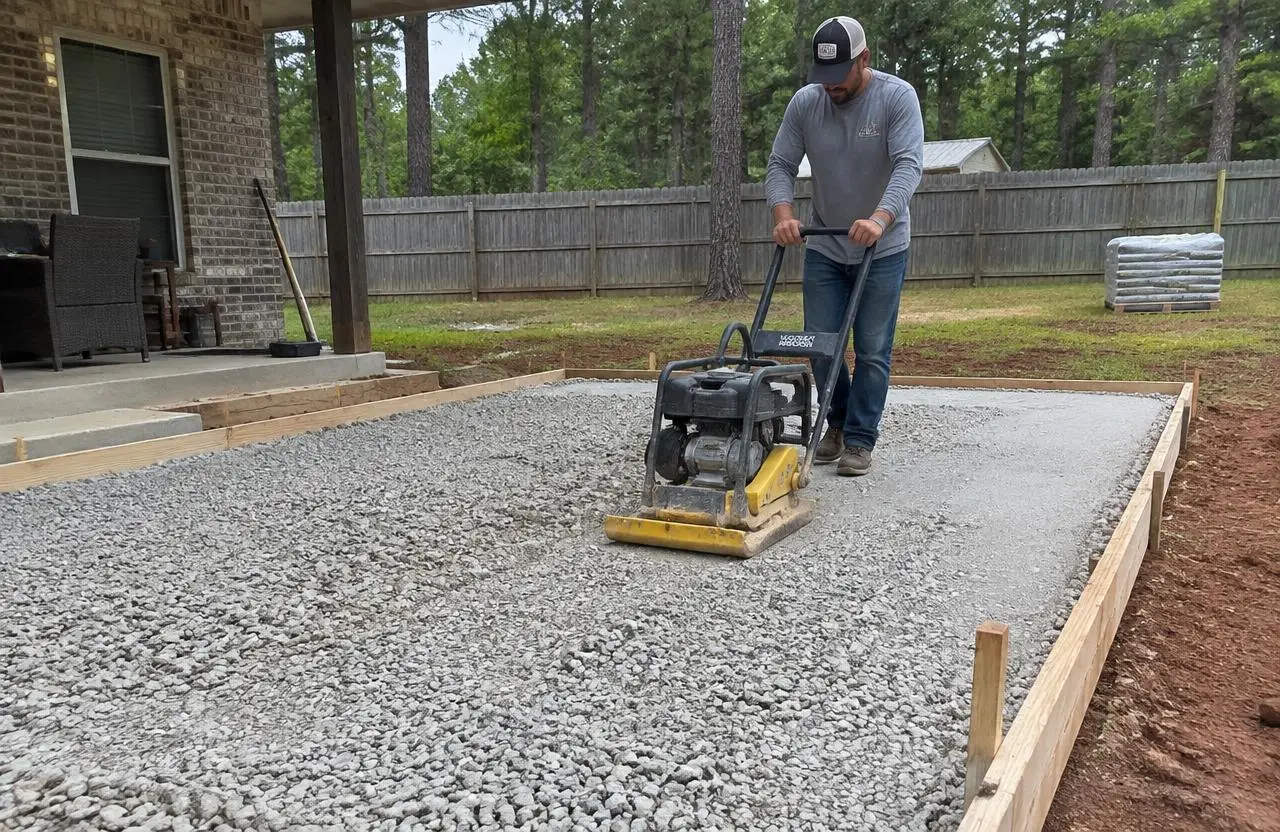
Forms establish edges, elevations, and planned slopes. They need secure support so placement does not push them out of position. Reinforcement, vapor control, embedded items, and connections are installed where the design requires them. Required pre-pour inspections must be completed before concrete covers the work.
Thickness, steel, and joint layout depend on loads, soil, design, and code. More steel is not a substitute for proper placement or stable support. Confirm equipment anchors, post locations, and service sleeves now. Its much easier to coordinate these details before the truck arrives.
5. Place and finish the concrete
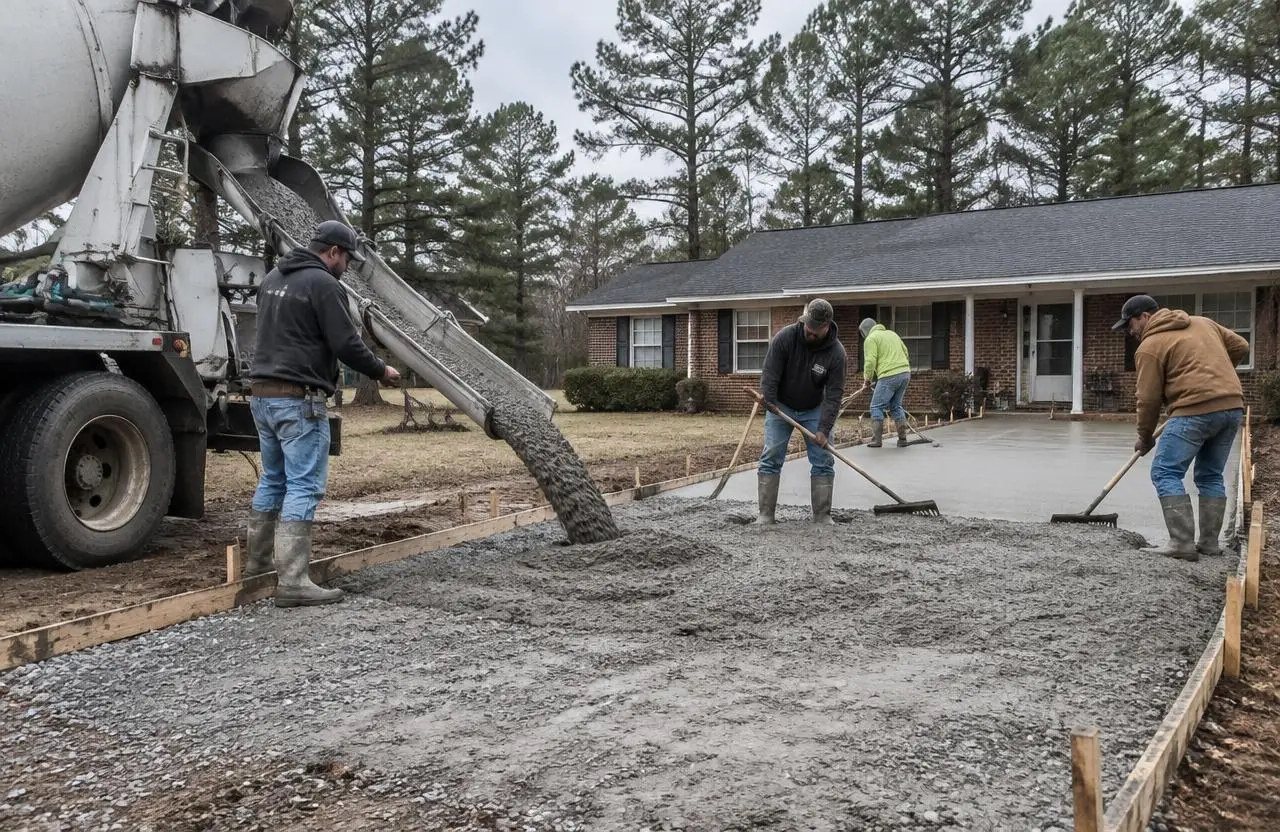
The placement plan coordinates concrete delivery, crew access, equipment, and weather. Concrete is spread and leveled to the forms, then finished at the proper stage. Hot summers can shorten working time. Rain, heat, and wind may require schedule changes or added protection.
The finish should suit the use. Outdoor walks often need texture, while an indoor floor may call for a different surface. Decorative work adds its own timing and care needs. Finishing should not be rushed just to make the surface look ready while the concrete is still developing.
6. Form joints and protect curing concrete
Planned joints help manage where shrinkage cracking may occur. Their location, depth, and timing depend on the slab and method. Isolation details may also be needed at selected connections. Joints reduce some risks but do not guarantee a crack-free surface.
Curing helps retain the moisture and conditions concrete needs to gain strength. The chosen method must suit the project and any later coating. Barriers keep people, pets, and vehicles away. See the curing guide rather than judging readiness by surface color.
7. Review the work and return to use
At handover, review joints, edges, cleanup, and the written care plan. Walking, furniture, vehicles, equipment, and coatings may have different release times. Keep drainage paths clear and report concerns promptly. Price depends on the full sequence, not just concrete volume. Ask about preparation, weather delays, and return-to-use instructions before hiring. Schedule a Free Estimate or Call (903) 618-2421 to discuss your project.
Frequently asked questions
+How long does the whole installation take?
It depends on scope, access, demolition, inspections, weather, and curing requirements. The placement day is only part of the schedule. Ask for a project-specific sequence.
+Does every concrete project need reinforcement?
The design determines what is required. Loads, soil, slab geometry, code, and specifications matter. Do not assume one steel layout or thickness fits every application.
+What happens if rain is forecast?
The crew should assess the timing and protection needed. Work may be rescheduled when conditions could harm preparation, placement, or finishing. Weather decisions should protect the result.
+Why are joints cut into new concrete?
Control joints create planned locations for shrinkage movement. Proper layout and timing matter, but joints do not prevent every crack or correct weak ground beneath the slab.
+Can I use the slab as soon as it looks dry?
No. Appearance does not establish readiness for a load. Follow the written curing and return-to-service instructions for walking, vehicles, equipment, and any planned coating.
Related services
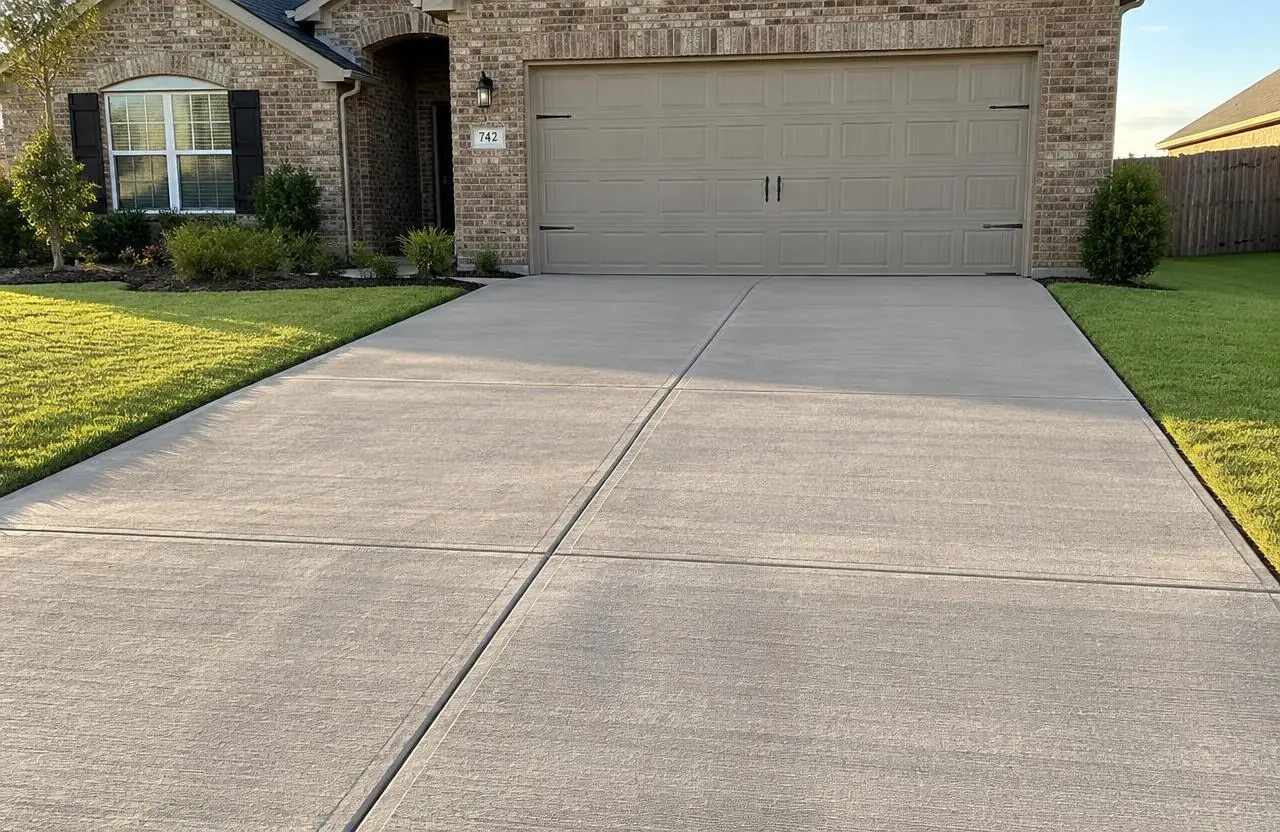 Concrete DrivewaysNew concrete driveways, widening and extensions in Tyler, TX. Proper base prep, drainage, finishing and curing. Schedule a free on-site estimate.
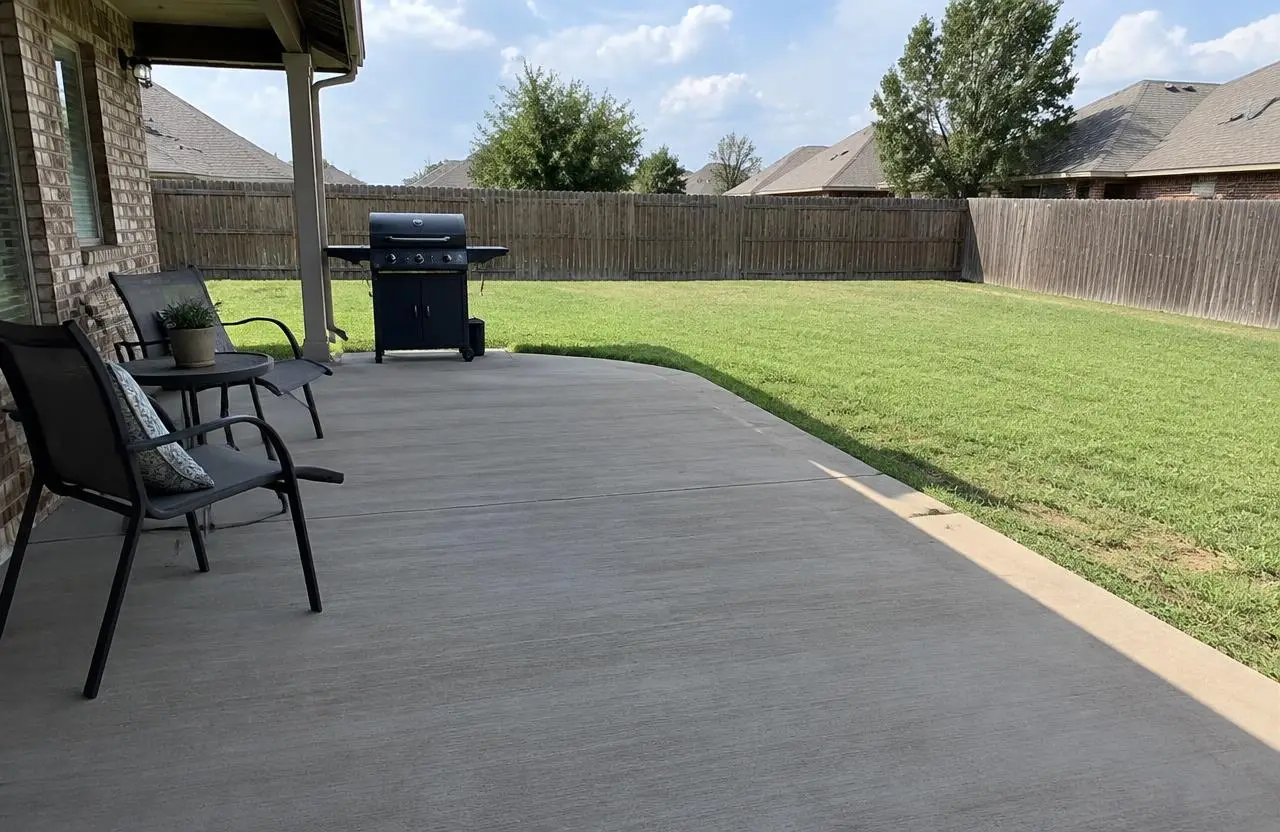 Concrete PatiosConcrete patios for East Texas back yards: layout, finishes, drainage and covered spaces. Talk to Tyler Solid Concrete for a free on-site estimate.
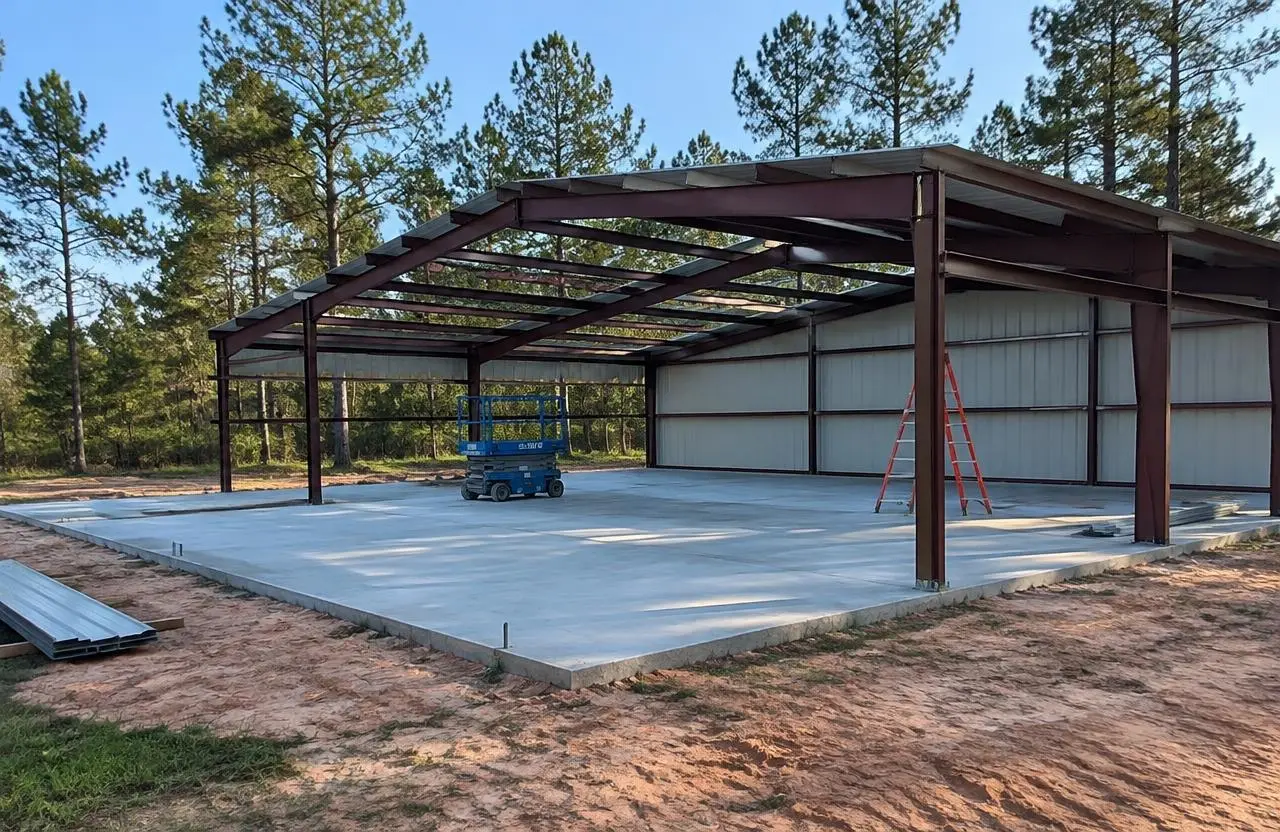 Concrete SlabsConcrete slabs for sheds, shops, garages and equipment in Tyler, TX. Thickness and reinforcement are set by load, soil and code. Free estimates.
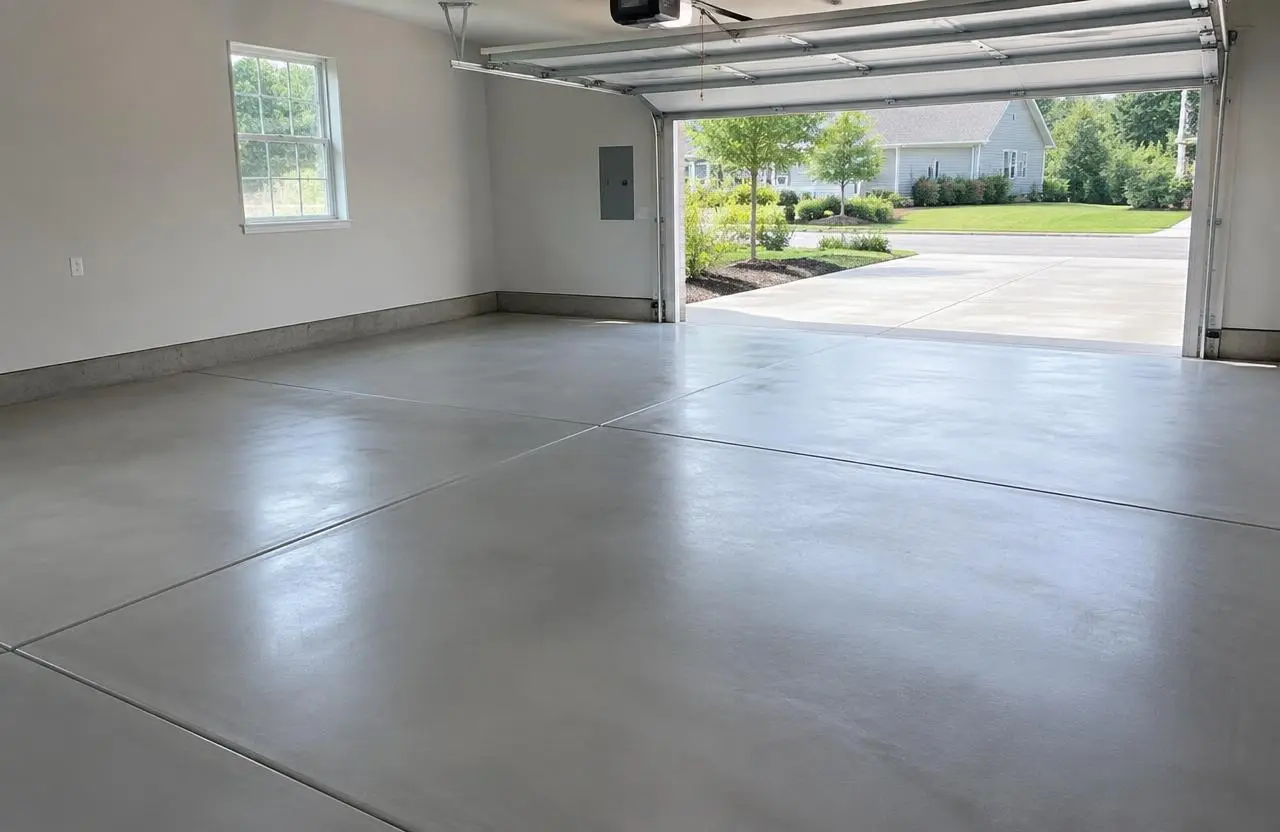 Garage Concrete FloorsPlan a garage or workshop concrete floor in Tyler, TX. Learn about loads, base preparation, moisture, finishes, joints, and what a clear estimate should cover.
Helpful reading
- How to Prepare for a Concrete Installation
Good preparation goes beyond clearing the driveway. Sort out access, water flow, utilities, and daily routines before the crew arrives.
- How Long Does Concrete Take to Cure?
Concrete can look ready before it can handle the planned load. Learn why curing time, traffic approval, and drying time are different.
- Concrete Curing in Hot Weather: A Homeowner’s Guide
Hot-weather concrete work is about more than the afternoon temperature. Sun, wind, dry air, and warm materials can make fresh concrete lose moisture fast. Tyler summers call for a plan before the truck arrives. As the owner, you should know how the surface will be protected and what you must keep off it afterward.
- What to Include in a Concrete Project Estimate
Two concrete estimates can name the same square footage and still describe very different jobs. One may include removal, base repairs, and final cleanup. The other may cover only placing concrete on a ready site. A useful estimate turns the conversation into a written scope, so you can compare the work rather than just the bottom line.
Talk to us about your concrete installation process project
Free on-site estimates in Tyler and nearby East Texas towns.