Concrete Replacement in Tyler, TX
Sometimes a crack is just a crack. Other times the slab has sunk, flaked apart or holds water, and patching only hides the problem for a while. Tyler Solid Concrete removes damaged concrete and replaces it, and we try to fix whatever caused the damage in the first place.
Signs It May Be Time to Replace
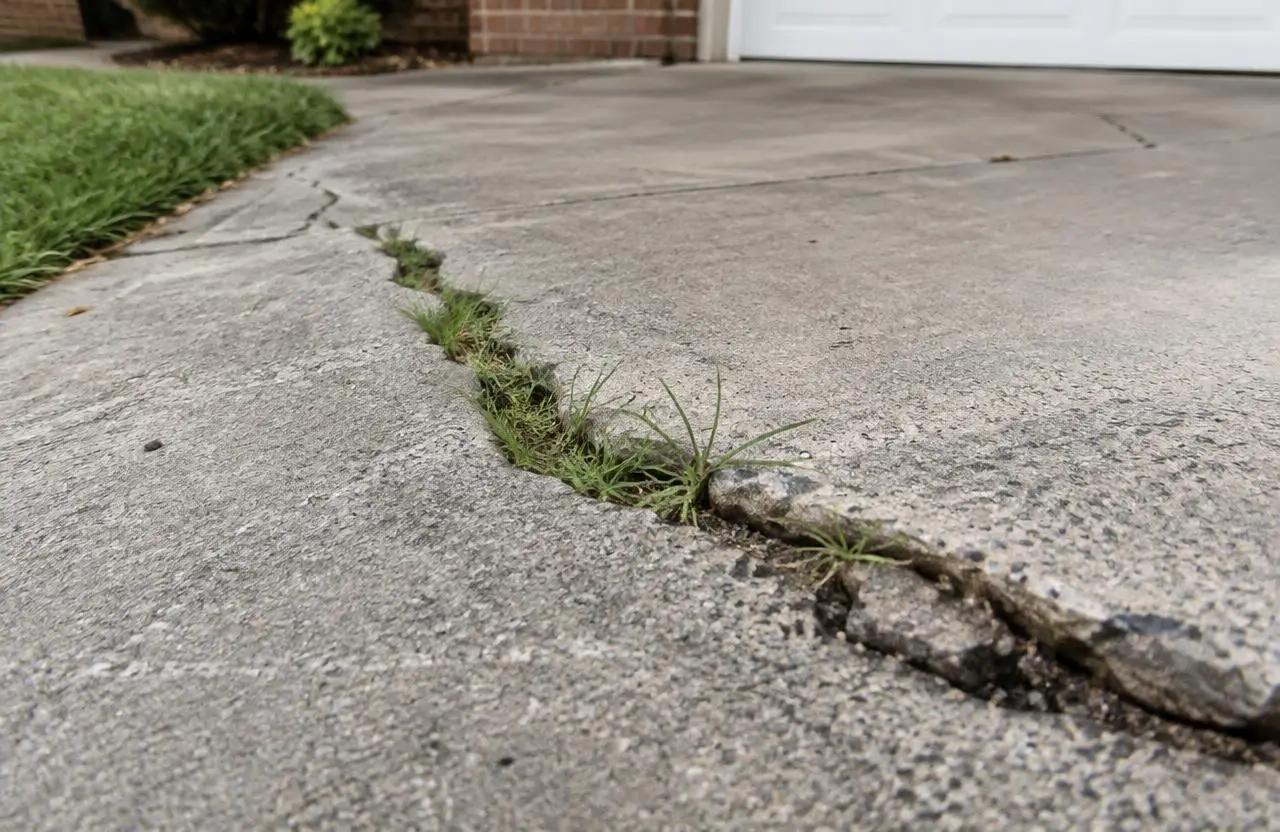
- Many cracks across the slab, or cracks with one side higher than the other.
- Sinking or tilting that creates trip edges or pushes water to the house.
- Surface flaking, scaling or crumbling.
- Large areas that hold water.
- Old repairs that keep failing.
- Slabs damaged by roots or washed-out soil.
But not every problem means a full tear-out. Our repair vs replacement guide walks through it, and the repair page lists what can be fixed.
Find the Cause First
Concrete doesn't fail for no reason. Poor base, bad drainage, thin slabs, heavy loads, tree roots, or soil that moved can all do it. If we pour new concrete on the same problem, it may fail the same way. So we dig in and look. Read common causes of driveway cracks to see what we look for.
Full or Partial Replacement
| Approach | Best when | Trade-off |
|---|---|---|
| Replace a few panels | Damage is local and the rest is sound | New and old may not match in color |
| Replace the whole slab | Damage is widespread or the base failed | Costs more, gives a uniform result |
| Replace and redesign | Slope, size or use needs to change | Needs more planning |
Demolition, Haul-Off and Base Repair
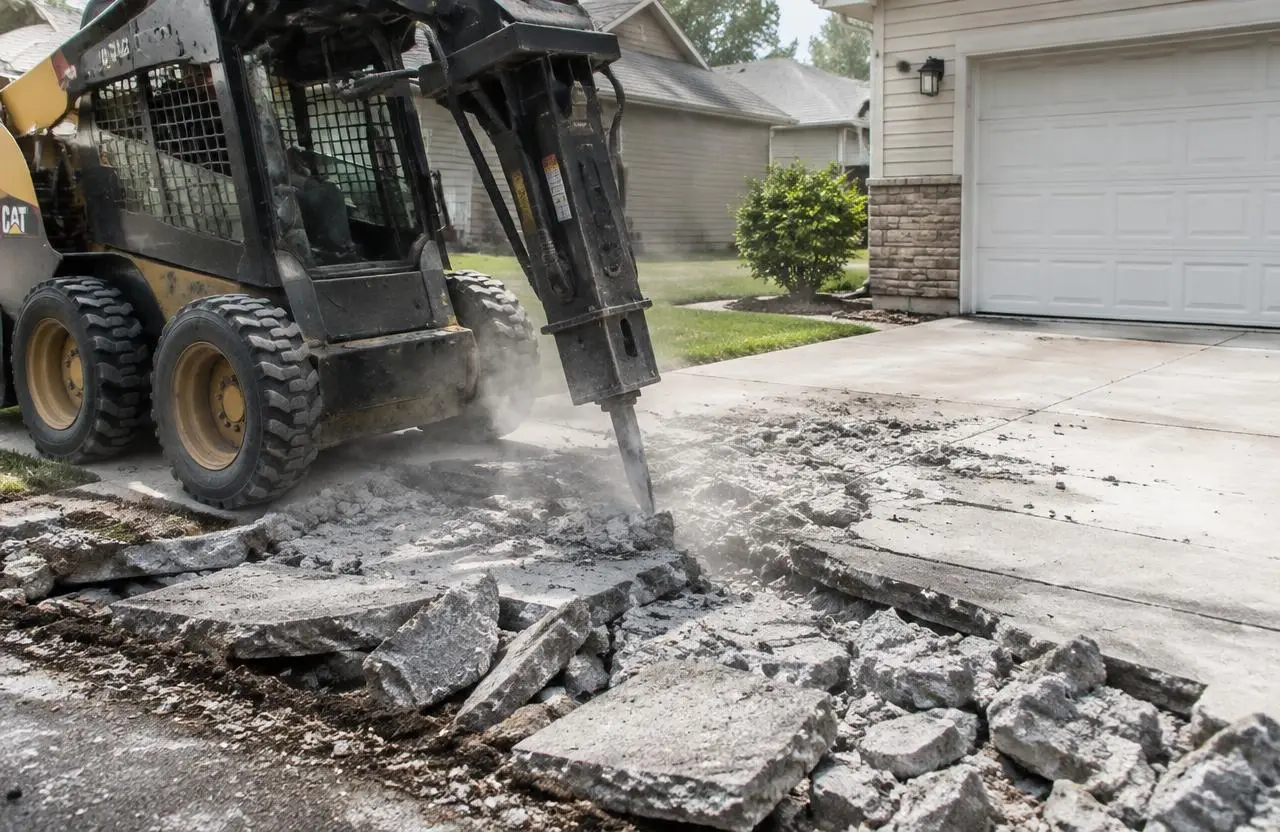
We break out the old slab, load it, and haul it away. Then comes the key step. We look at the ground under it. Soft soil is fixed, the grade is corrected, and a new base is compacted. See concrete removal for more on demolition.
Before we start, mark sprinkler lines, and tell us where utilities run. Drops and gates, fences and plants near the work area should be noted so they can be protected.
Drainage Fixes
If water was part of the problem, a replacement is the best time to fix it. We can change the slope, add a swale, or direct downspouts away from the slab. This is a major reason replaced concrete lasts better than patched concrete.
The Replacement Process
- Walk the site together and agree on what comes out.
- Saw cut edges where needed to protect what stays.
- Demolish, haul off and inspect the subgrade.
- Repair the base, set forms and place reinforcement per design.
- Pour, finish, joint and cure the new concrete.
- Final walkthrough and care instructions.
What Affects Replacement Price
Demolition and disposal are added on top of new concrete costs. Thickness, size, access, base repair, finish and drainage work also matter. Rough figures online don't take your site into account, so we do an on-site estimate. For driveways, our cost page lists all the factors.
Caring for the New Slab
Let the new concrete cure before heavy loads. Keep irrigation off new edges, and avoid de-icing products early on. Learn more in the driveway maintenance guide.
Questions to Ask
- What do you think caused the damage?
- What will be done differently this time?
- Is demolition and haul-off in the price?
- How will it tie into the parts that stay?
Starting from scratch? See new driveways or the main concrete contractor page.
Frequently asked questions
+Can you replace just part of my driveway?
Often yes. We can cut out damaged panels and pour new ones, though color may differ from the old concrete.
+How do I know if repair is enough?
Small, stable cracks and surface issues can often be repaired. Sinking, wide cracks and base problems usually point to replacement. See the repair or replacement guide.
+What happens to the old concrete?
We haul it away. Disposal is part of the estimate so there are no surprises.
+How long does a replacement take?
Many jobs take a few days of work, then the concrete has to cure. Size and weather change that.
+Can I drive on the new slab right away?
No. Wait until we say it is ready. Read when you can drive on new concrete.
+Will you fix the drainage problem too?
Where it's part of the cause, yes, we can adjust slope and runoff as part of the job.
Related services
 Concrete DrivewaysNew concrete driveways, widening and extensions in Tyler, TX. Proper base prep, drainage, finishing and curing. Schedule a free on-site estimate.
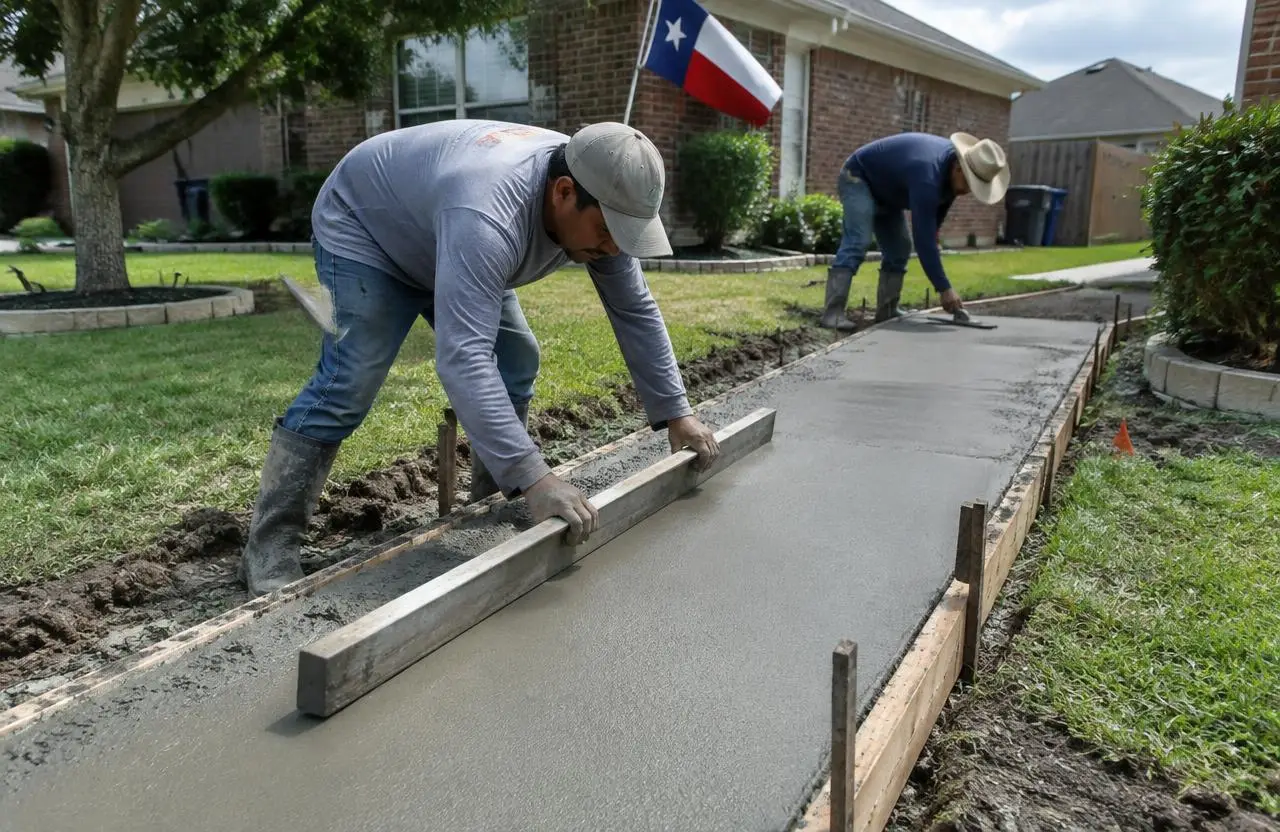 Concrete SidewalksConcrete sidewalks, garden paths and entry walks in Tyler, TX. Smooth, safe, well-drained walkways built to last. Free estimates from our crew.
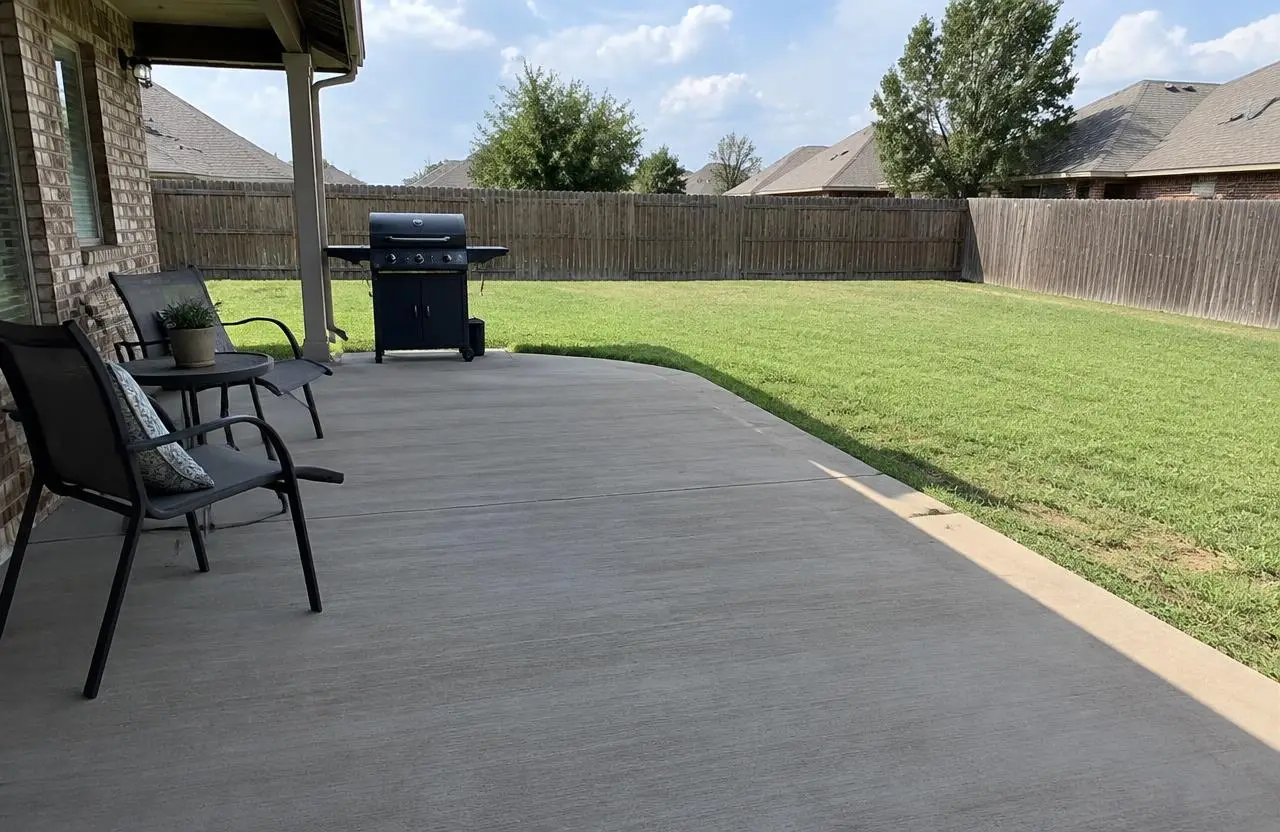 Concrete PatiosConcrete patios for East Texas back yards: layout, finishes, drainage and covered spaces. Talk to Tyler Solid Concrete for a free on-site estimate.
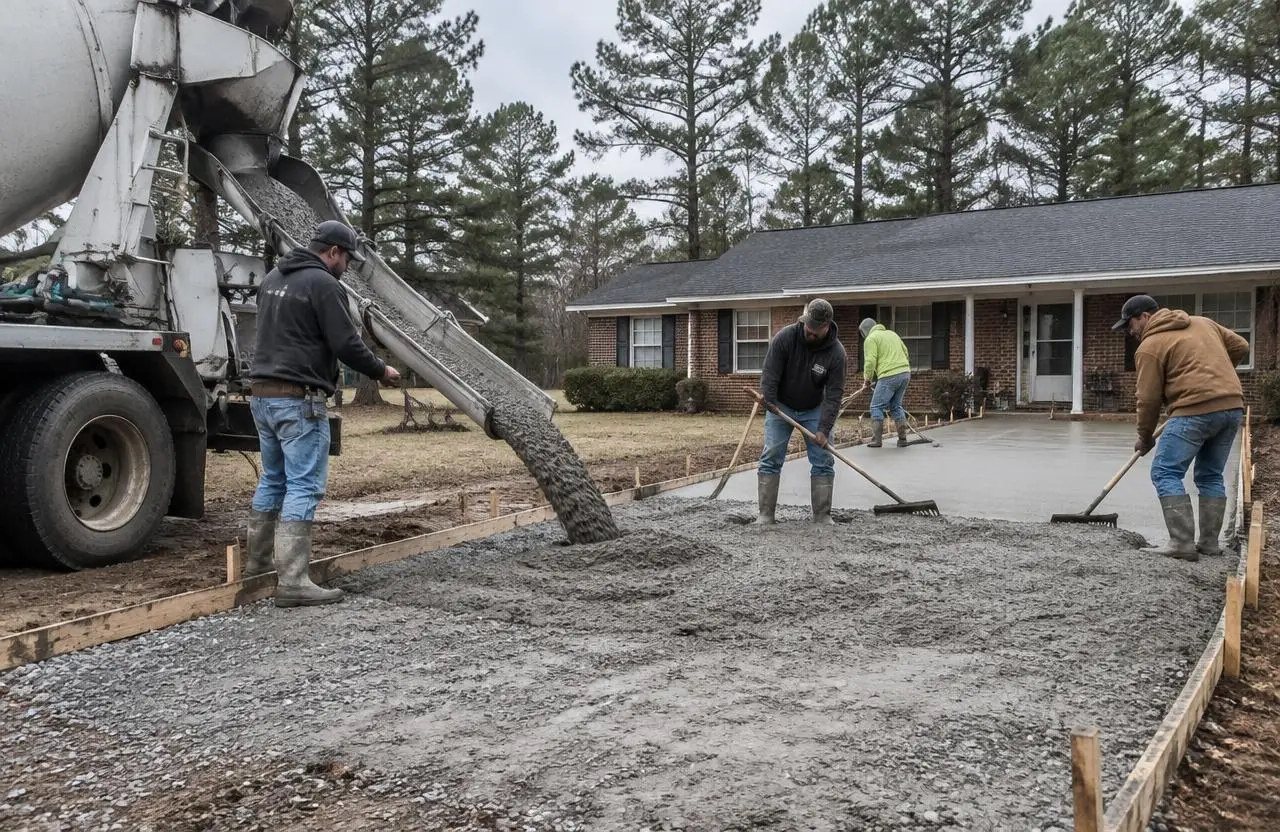 Concrete ContractorTyler Solid Concrete handles driveways, patios, slabs, sidewalks, stamped finishes and replacement in Tyler, TX. Get a free on-site estimate today.
Helpful reading
- Concrete Driveway Repair or Replacement?
A useful driveway decision starts below the surface. Learn which problems may suit a repair and which need a closer look at the base.
- Should You Repair or Replace a Concrete Driveway?
A cracked driveway is not an automatic tear-out. It is also not always a good patching job. The useful question is whether the concrete still has sound support and can serve its intended use. Start with the cause, then compare what each option will fix and what it will leave behind.
- Common Causes of Concrete Driveway Cracks
A crack across your driveway does not tell the whole story. Some cracks form as new concrete shrinks. Others point to moving soil, poor support, or loads the slab was not built to carry. Before buying a patch, look at the shape of the crack, the height of each side, and where rainwater goes.
Talk to us about your concrete replacement project
Free on-site estimates in Tyler and nearby East Texas towns.