Should You Repair or Replace a Concrete Driveway?
By the Tyler Solid Concrete team · Published · Repairs and Maintenance
A cracked driveway is not an automatic tear-out. It is also not always a good patching job. The useful question is whether the concrete still has sound support and can serve its intended use. Start with the cause, then compare what each option will fix and what it will leave behind.
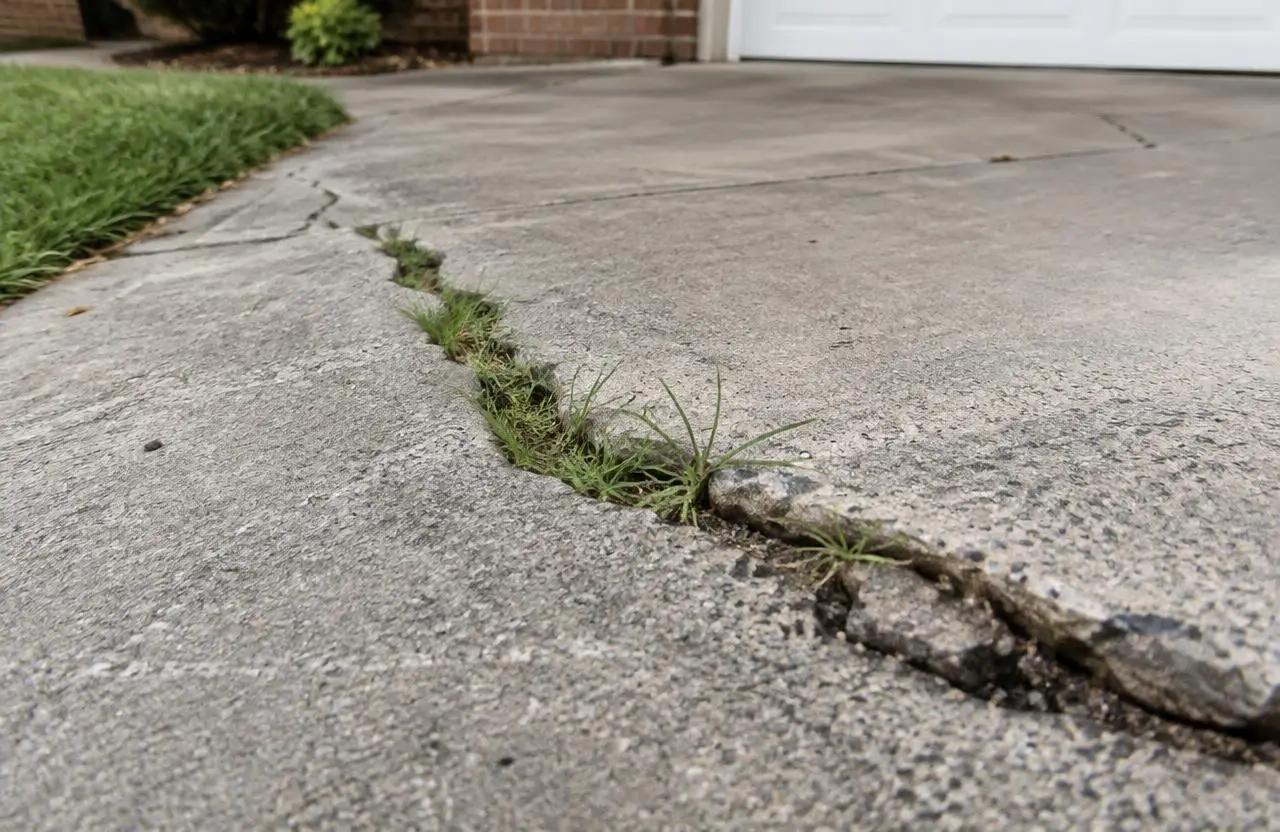
A cracked driveway is not an automatic tear-out. It is also not always a good patching job. The useful question is whether the concrete still has sound support and can serve its intended use. Start with the cause, then compare what each option will fix and what it will leave behind.
First, sort the symptoms
Look across the whole driveway, not just the biggest crack. Are the panels level with each other? Does water collect in one area? Is the surface flaking, or does the slab break into separate moving pieces? Write down where the trouble appears and whether it has changed since the last wet or dry season.
- A stable, narrow crack may be a candidate for sealing or another limited repair.
- An uneven joint needs review for movement, trip risk, and vehicle use.
- Widespread crumbling may point to more than a cosmetic defect.
- Repeat damage along a wet edge calls for a drainage and support check.
Do not use crack width alone to choose the work. A small moving crack can be harder to treat than a larger stable one. The NRMCA guide to plastic shrinkage cracking explains one kind of early surface cracking. It does not mean every driveway crack has that cause or can use the same repair.
When a focused repair can make sense
Repair is worth discussing when most of the driveway is sound and the problem is limited. Cleaning and sealing a suitable crack may reduce water and debris entry. A surface repair may address a local defect. Neither one rebuilds missing support under a slab, and a patch should not be sold as a cure for ongoing movement.
Some settled slabs may be candidates for lifting by a qualified provider, depending on condition and access. Ask what caused settlement, what fills any void, and whether the slab can withstand the process. Do not assume every contractor offers it. Our concrete repair overview outlines why the method needs to match the damage.
When replacement earns a closer look
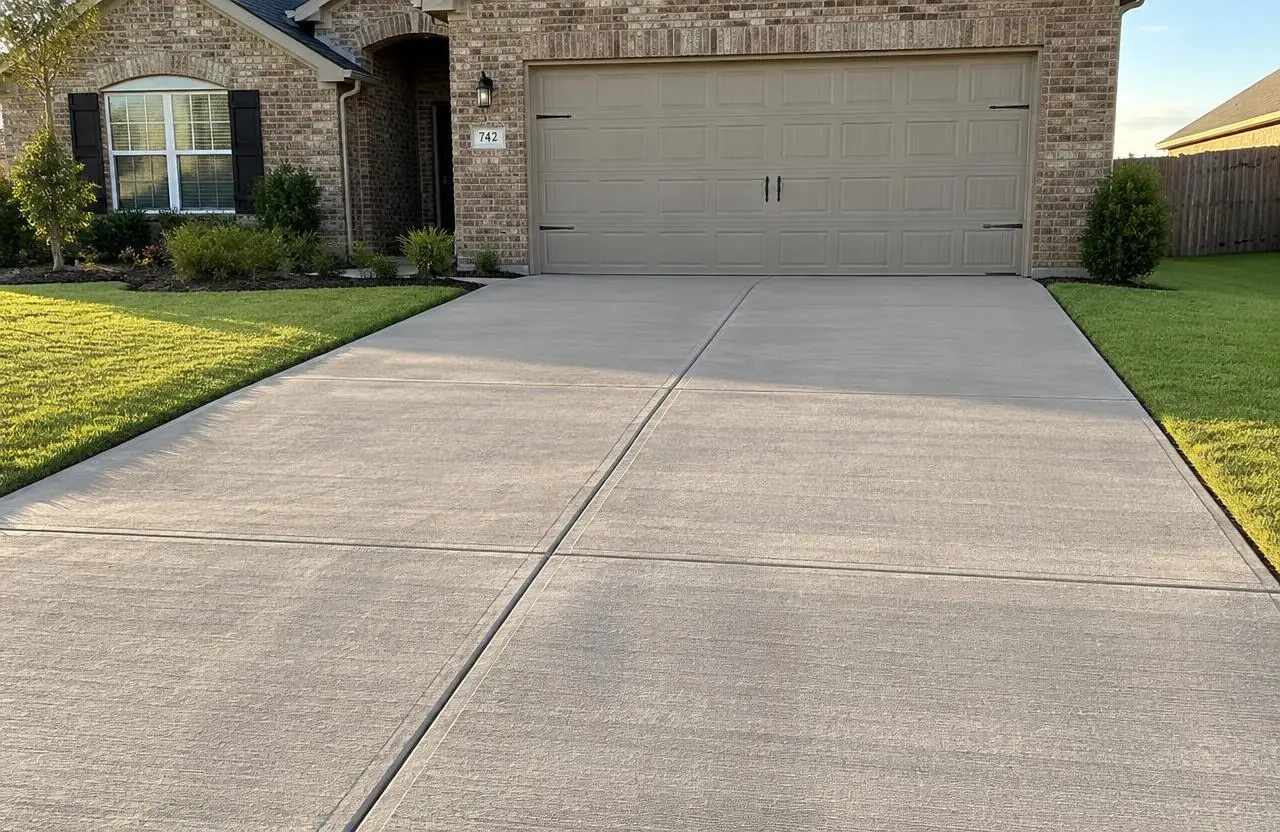
Replacement can make sense when many panels move, the surface is badly broken, or the layout sends water toward the house. Removing the old slab allows access to the base. It also provides a chance to change grades, entry width, and joint layout, within the limits of the property and local requirements.
That access is valuable only if the new scope addresses the cause. New concrete over poor support can develop familiar trouble. Thickness, reinforcing, and base needs depend on soil, loads, design, and code. Ask how the planned driveway handles your actual vehicles, including trailers or heavier equipment, rather than choosing by appearance alone.
Consider the middle option: selected panels
You may not need to choose between a tiny patch and replacing everything. Replacing selected panels can work when damage is limited and adjoining concrete is sound. The crew still needs workable joints, safe access, and a plan for matching elevations. New panels will often look different from older concrete, even with a similar finish.
Ask how saw cuts and removal will protect nearby panels, utilities, and garage edges. Discuss whether the work creates awkward small sections or changes runoff. Read about concrete removal if demolition is part of the quote. A low repair price is not useful if the proposed boundary leaves the main problem untouched.
Compare outcomes, not just totals
Have each contractor state the expected result in plain words. Will the work close a gap, reduce a trip hazard, improve drainage, or replace weak material? Ask which cracks or color changes may remain. Repairs can be visible. Replacement can also crack, and no sensible comparison should promise a permanently crack-free driveway.
The driveway repair or replacement guide gives a broader comparison, while driveway cost factors explain why access, demolition, and base work affect estimates. Compare the same scope on each bid, including cleanup, traffic restrictions, and how hidden soil problems will be priced if they appear.
Bring these questions to the walk-through
- What appears to be causing the damage, and what remains uncertain?
- Which parts of the proposed work address that cause?
- What will the repaired or new surface look like next to existing concrete?
- When can people and vehicles use it, and who provides release instructions?
Take photos now and mark any changing edges. Avoid driving across a loose or severely raised section until it is assessed. Its worth getting a second look when a bid offers only a coating for a driveway that is still moving. A coating can hide symptoms without restoring support or correcting grades.
For a site-based comparison, request an estimate from Tyler Solid Concrete. Share the driveway’s main use and the changes you have noticed. An on-site evaluation is the right place to compare targeted repair with replacement work, including the limits of each option before you commit.
Sources
Related concrete services
- Concrete RepairExplore concrete repair options in Tyler, TX, from surface damage to cracks. Learn when repairs make sense and when replacement deserves a closer look.
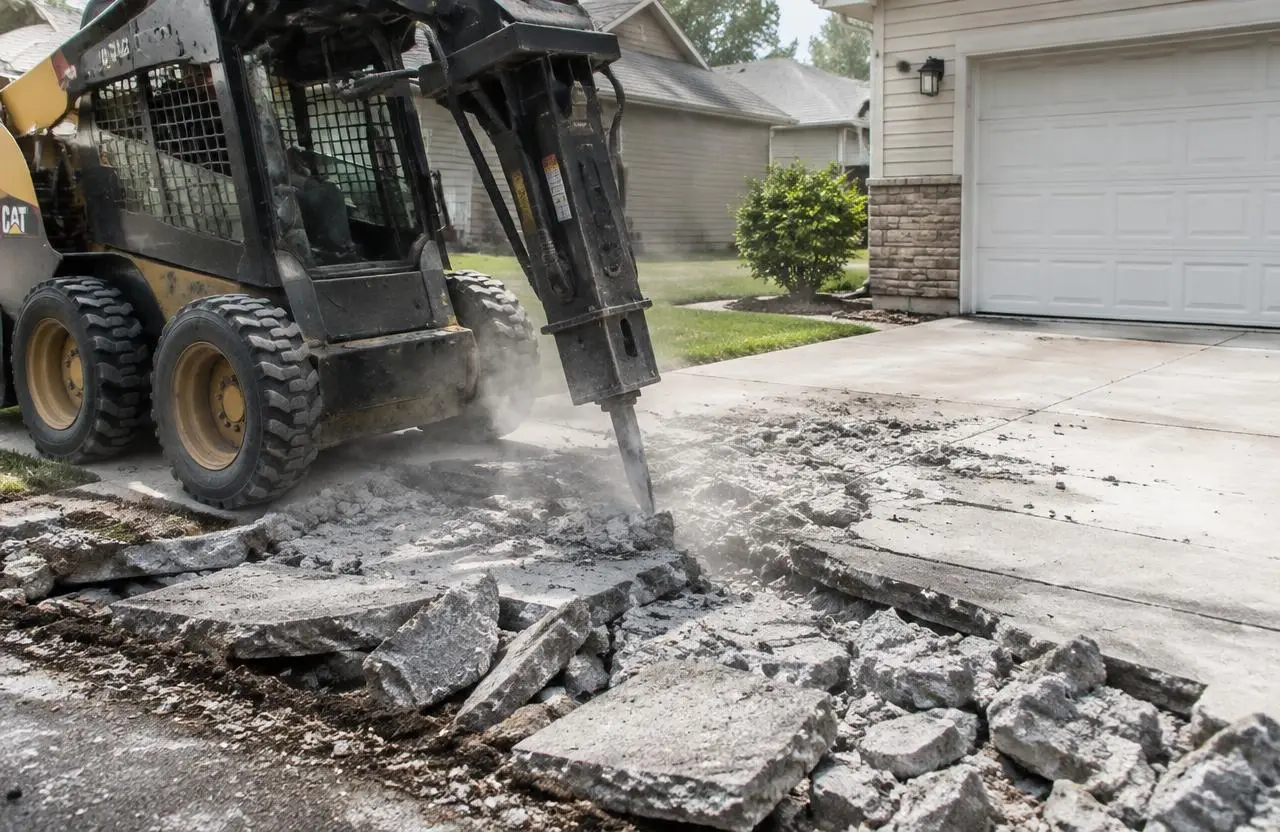 Concrete ReplacementReplace cracked, sunken or worn concrete in Tyler, TX. We remove it, fix the base and pour new. Learn when repair is not enough. Free estimates.
- Concrete DrivewaysNew concrete driveways, widening and extensions in Tyler, TX. Proper base prep, drainage, finishing and curing. Schedule a free on-site estimate.
Keep reading
- Concrete Driveway Repair or Replacement?
A useful driveway decision starts below the surface. Learn which problems may suit a repair and which need a closer look at the base.
- Concrete Driveway Cost
- Common Causes of Concrete Driveway Cracks
A crack across your driveway does not tell the whole story. Some cracks form as new concrete shrinks. Others point to moving soil, poor support, or loads the slab was not built to carry. Before buying a patch, look at the shape of the crack, the height of each side, and where rainwater goes.
Ready to talk about your concrete project?
Free on-site estimates in Tyler and nearby East Texas towns.