
Commercial Concrete Contractors in Tyler, TX
A concrete project at a working property affects more than the pavement. Customers still need a safe route, deliveries need a plan, and staff need clear notices. Tyler Solid Concrete helps scope suitable commercial flatwork around the site and its daily use.
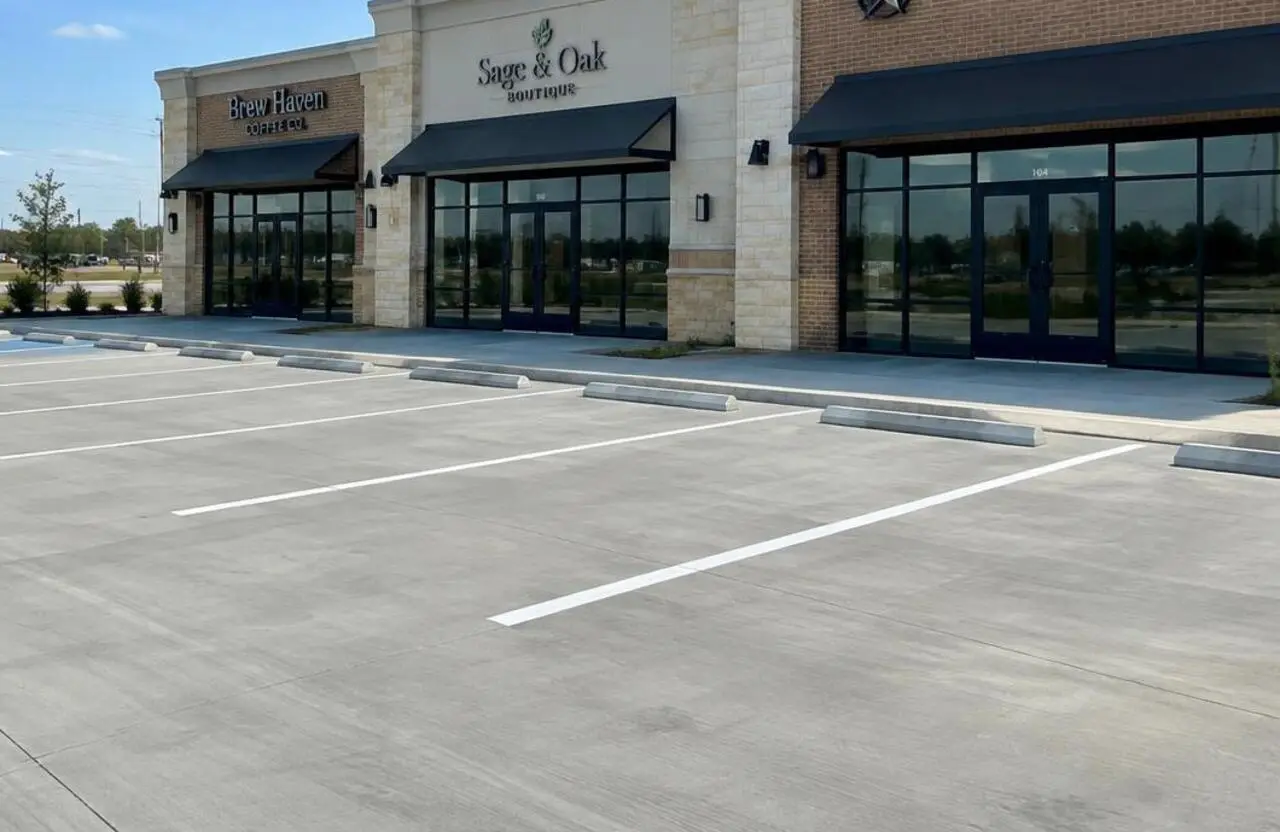
Match the work to the property
Commercial flatwork may include pedestrian walks, entry approaches, equipment slabs, service areas, and suitable parking sections. Each area has its own demands. A customer walkway is not designed like a truck approach. Before pricing begins, identify who uses the space, which vehicles cross it, and whether any equipment will create concentrated loads.
Property managers should also explain planned tenant changes. A light-use area today might become a delivery route later. That does not mean overbuilding every slab, but it does mean making informed choices. Broader site work can be discussed through our concrete contractor service, with design needs confirmed before construction.
Define responsibilities before scheduling
Commercial projects may involve an owner, tenant, manager, designer, and inspector. The written scope should name who approves drawings, obtains permits, arranges inspections, and accepts changes. Accessible routes, fire access, drainage rules, and public right-of-way work may involve requirements beyond the slab itself. Do not leave those decisions until forms are ready.
- Identify working hours and any limits on noise or delivery access.
- Set a safe pedestrian route that stays separate from equipment.
- Confirm responsibility for signs, barricades, and tenant notices.
- List utility checks, inspections, testing, and required documents.
- Agree on who can approve added work if hidden conditions appear.
Loads, drainage, and the ground below
Slab thickness, base materials, reinforcement, and joints should follow the project design and expected loads. Turning vehicles and repeated heavy traffic can place different demands on pavement than parked cars. Weak ground or buried fill may require added preparation. An engineer may be needed for structural slabs, heavy equipment, or other complex conditions.
Heavy East Texas rain makes drainage part of the operating plan. Water should not be shifted toward storefronts, adjoining properties, or accessible routes. Existing drains need checking against proposed levels. A new panel that looks level beside an old one may still create a low spot. Learn more about grading and runoff.
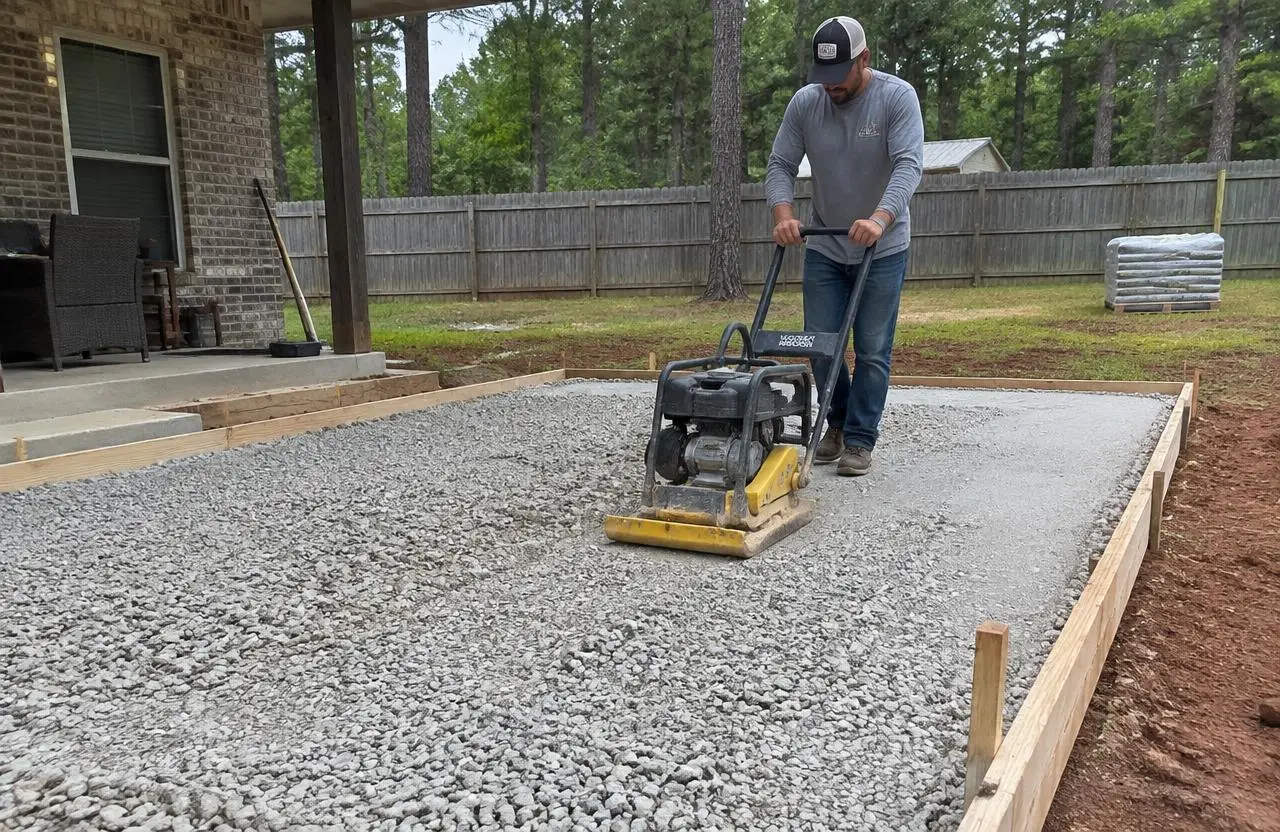
Phase the job without confusing site users
Phased construction can sometimes keep part of a site open, but it needs enough room for safe separation. Discuss customer entrances, emergency access, waste collection, and delivery turning space. Temporary routes must be suitable for their users. A narrow gap beside machinery is not an acceptable substitute for a planned walkway.
Typical work moves from approved layout to demolition, excavation, base preparation, forms, and specified reinforcement. Placement, finishing, jointing, and curing follow. Each phase should have clear boundaries and release conditions. Its helpful to give tenants one contact for schedule updates so different messages do not send people into a closed area.
Finishes and return-to-service planning
Outdoor texture should suit wet use and maintenance needs. Decorative work may suit an entrance, while a service area may call for a simpler finish. Coatings, striping, signs, and wheel stops should be identified as included or separate work. Coordinate them with curing and surface requirements rather than treating them as immediate next-day tasks.
Pedestrian access, passenger cars, delivery trucks, and equipment may require different opening dates. The release plan should reflect the concrete, weather, design, and loads. Barriers must remain in place until the appropriate stage is approved. Our curing guide explains why surface appearance alone is not enough.
Compare complete scopes, not just totals
Commercial pricing depends on quantities, design, demolition, haul routes, access limits, phasing, testing, and restoration. Ask whether concrete removal, base correction, and cleanup are included. After handover, keep drains clear and report damage before it becomes a trip hazard. Schedule a Free Estimate or Call (903) 618-2421 to discuss the property, intended loads, and operating schedule.
Frequently asked questions
+Can a business stay open during concrete work?
Sometimes. It depends on site space, work limits, and safe alternate access. A phased plan must protect customers and workers without blocking required emergency routes.
+Can the same concrete design serve cars and delivery trucks?
Not automatically. Vehicle weight, turning, traffic frequency, soil, and project requirements affect the design. Explain all expected traffic before the scope is prepared.
+Who checks accessibility requirements?
Assign that responsibility during planning. Applicable accessible-route details may need review by the project's designer or another qualified professional, along with required inspections.
+Are striping and signs part of the concrete estimate?
Only when listed. Ask whether pavement markings, signs, wheel stops, and related work are included, excluded, or provided by another contractor.
+What should a property manager prepare for the first visit?
Bring site plans if available, damage photos, operating hours, vehicle information, and known drainage issues. Identify tenant contacts and any planned changes in use.
Related services
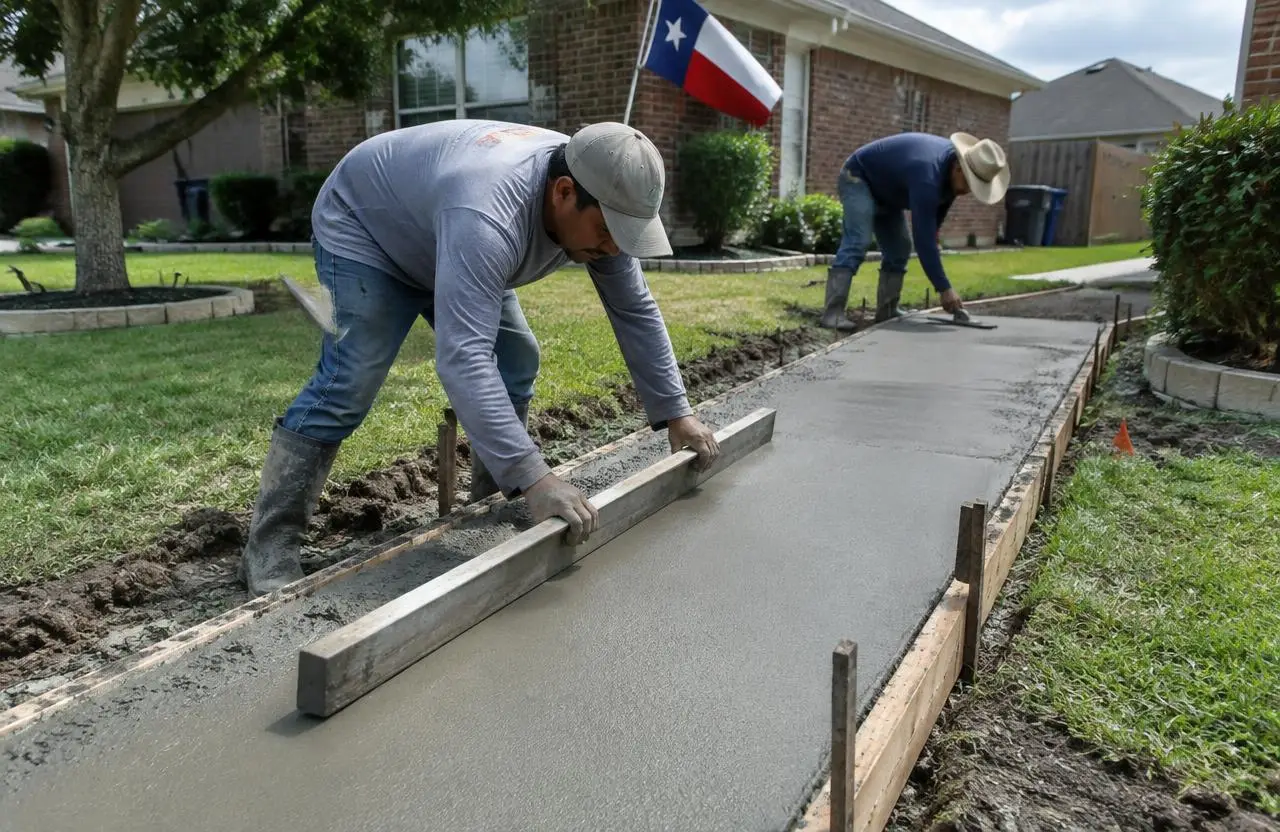 Concrete SidewalksConcrete sidewalks, garden paths and entry walks in Tyler, TX. Smooth, safe, well-drained walkways built to last. Free estimates from our crew.
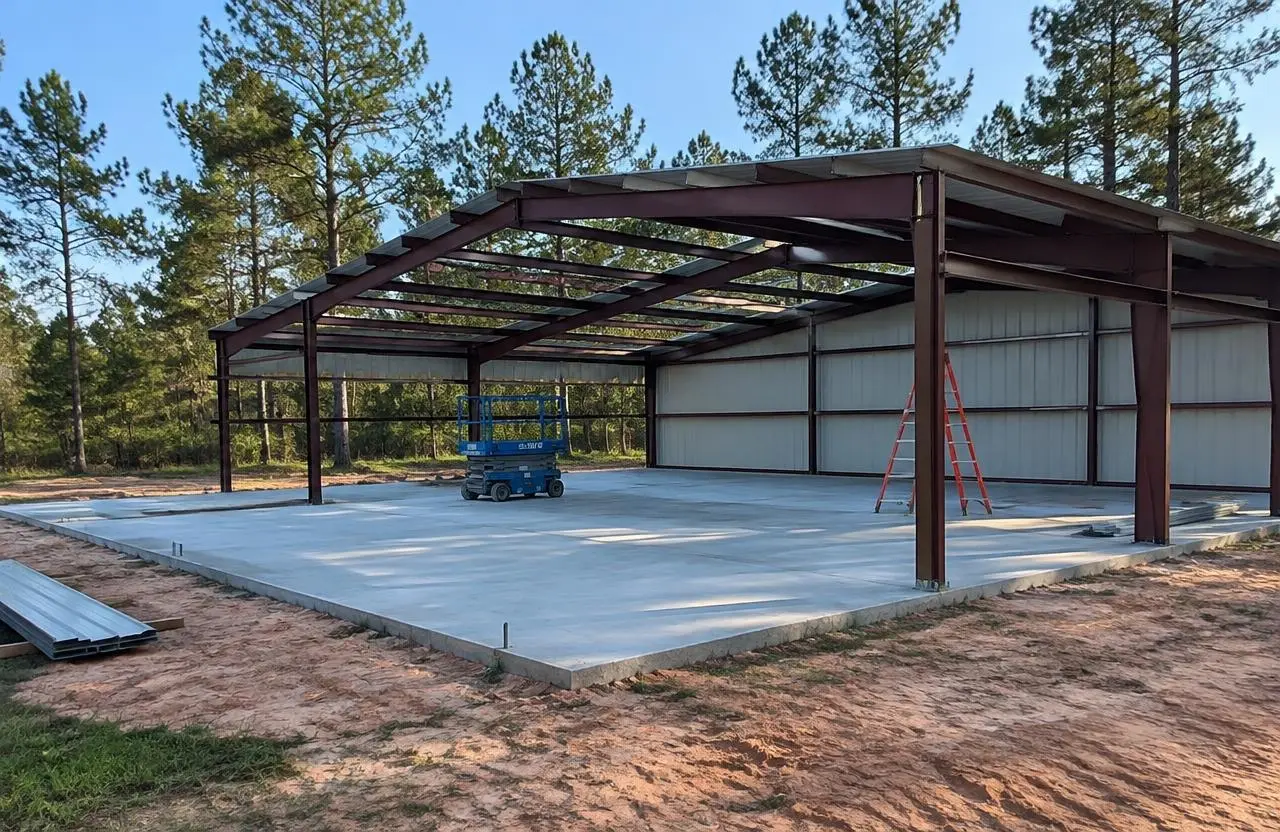 Concrete SlabsConcrete slabs for sheds, shops, garages and equipment in Tyler, TX. Thickness and reinforcement are set by load, soil and code. Free estimates.
 Concrete ReplacementReplace cracked, sunken or worn concrete in Tyler, TX. We remove it, fix the base and pour new. Learn when repair is not enough. Free estimates.
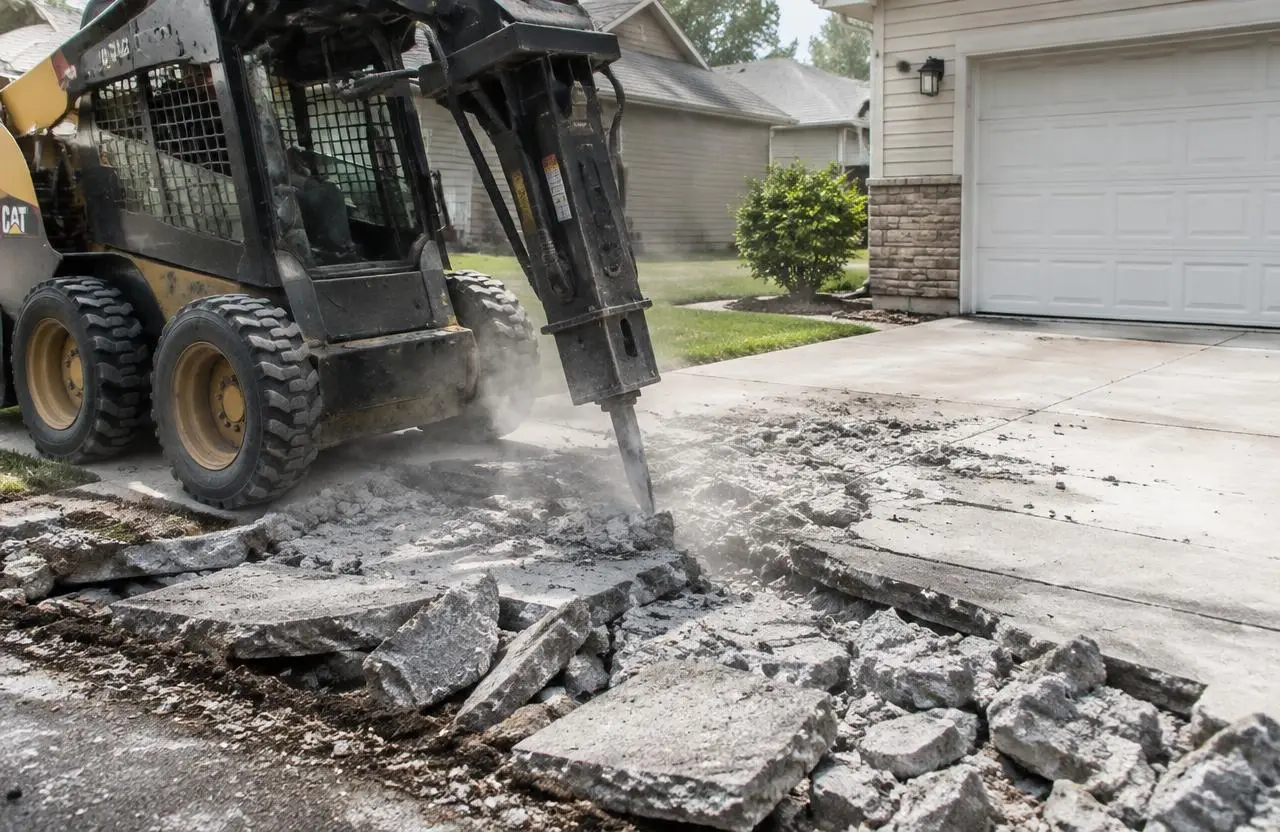
- Concrete RemovalPlan concrete removal in Tyler, TX, with clear demolition limits, utility checks, hauling, disposal, and preparation for the next use of your site.
Helpful reading
- How to Choose a Concrete Contractor in Tyler
Choosing a concrete contractor is easier when you know what a good conversation sounds like. You do not need to become a concrete expert. You do need clear answers about the ground, the work, the price, and what happens after the pour. A friendly first call is useful, but it is only the start.
- What to Include in a Concrete Project Estimate
Two concrete estimates can name the same square footage and still describe very different jobs. One may include removal, base repairs, and final cleanup. The other may cover only placing concrete on a ready site. A useful estimate turns the conversation into a written scope, so you can compare the work rather than just the bottom line.
- Why Concrete Drainage and Grading Matter
A new slab changes where rain goes. Water that once soaked into grass may run toward a doorway, across a walk, or into a low corner. Good concrete planning starts with that route. Surface finish matters, but it cannot correct a slab built at the wrong height or a drain with nowhere to empty.
Talk to us about your commercial concrete project
Free on-site estimates in Tyler and nearby East Texas towns.