
How to Prepare Your Property for Concrete Installation
By the Tyler Solid Concrete team · Published · Concrete Installation
Good preparation starts before the crew unloads a tool. Your main job is to clear the way, share useful site details, and keep people out of the work zone. The contractor handles construction tasks within the agreed scope. Knowing that boundary can prevent delays and keep a simple weekend cleanup from creating extra work.
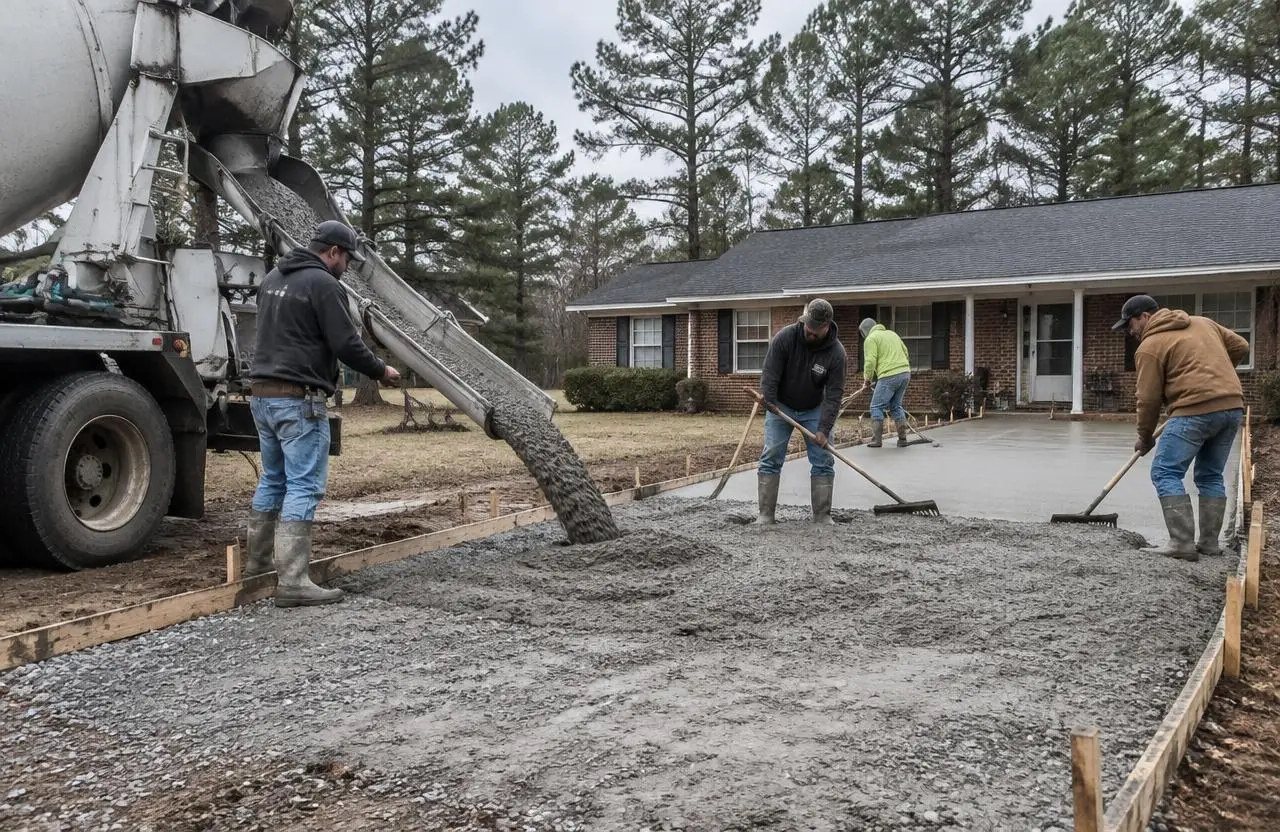
Good preparation starts before the crew unloads a tool. Your main job is to clear the way, share useful site details, and keep people out of the work zone. The contractor handles construction tasks within the agreed scope. Knowing that boundary can prevent delays and keep a simple weekend cleanup from creating extra work.
One week before: agree on the working area
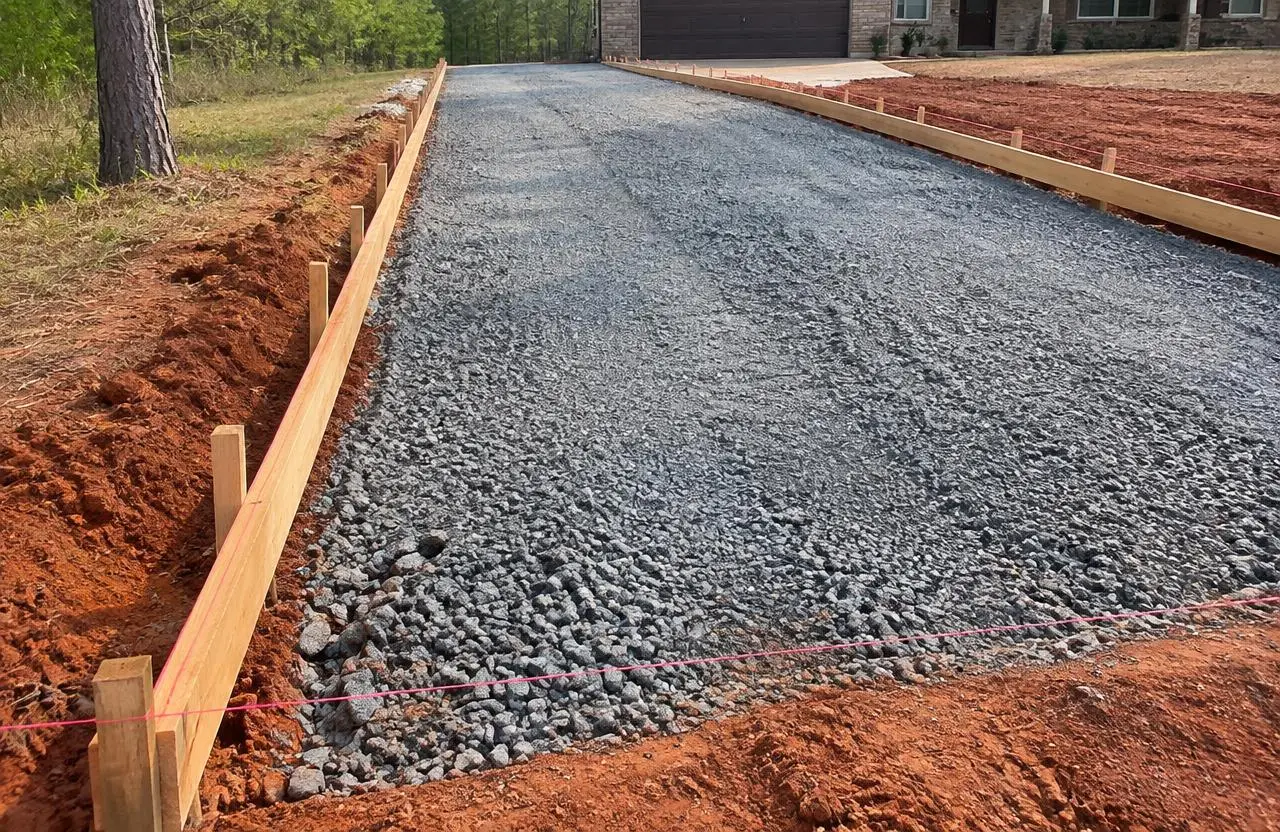
Walk the site with the contractor and confirm the slab edges, nearby doors, and finished heights. Point out places where water collects after rain. Mention any plans for a future shed, patio cover, or heavier vehicle use. A change that affects loads or footings should be resolved before forms and concrete are ordered.
Share what you know about buried lines, old foundations, septic components, irrigation, and past trenches. Do not guess at their locations. Ask who will arrange the required utility locate process before excavation and how private lines will be identified. Public locate services may not mark every owner-installed pipe or wire on the lot.
Confirm any permits, inspections, property-line questions, or neighborhood approvals that apply. These are not tasks to leave for pour morning. If your driveway meets a public street or sidewalk, ask who will check the local requirements. Never move boundary markers or assume an old fence is the exact property line.
Several days before: make access workable
- Move cars, trailers, bins, furniture, toys, and planters from the work and staging areas.
- Arrange parking away from routes used by trucks and equipment.
- Discuss gates, overhead branches, wires, and tight turns with the contractor.
- Agree on any fence removal, lawn protection, and cleanup responsibilities.
Keep access changes within the agreed plan. Do not cut tree roots, remove support beside a slab, or move soil on your own to help. Those actions can change the design or create a hazard. If a tree, fence, or utility line blocks the route, let the contractor decide how the work can safely proceed.
The day before: plan life around the pour
Arrange another entrance if the work blocks your normal door. Think about children, pets, deliveries, trash pickup, and anyone who needs a step-free route. Tell regular visitors where to park. A clear message before work starts is better than trying to stop a delivery van as it reaches fresh concrete.
Ask whether the crew needs an approved water supply or other site access. Move hoses and cords out of travel routes unless the contractor asks otherwise. Secure pets indoors or behind a separate barrier. Concrete trucks and moving equipment create blind spots, so the work zone should not become a place to watch from close range.
On pour morning: leave construction decisions to the crew
Be available for agreed questions, but stay outside the active area. Keep children and animals away from fresh concrete, which can harm skin. Do not add water, step onto forms, or try to smooth a mark yourself. If something looks wrong, tell the crew lead rather than entering the placement area.
Weather may change the schedule. Heavy rain can affect the ground and fresh surface, while hot sun and wind can speed moisture loss. The NRMCA hot-weather concrete guidance explains that heat is only part of the risk. Wind, sunlight, and humidity matter too. A delay can protect the work rather than signal poor planning.
Review the full installation sequence if you want to know what happens after forms are set. Thickness, base materials, reinforcement, and joints depend on soil, loads, design, and code. They should not be changed casually on pour day just because another driveway nearby was built differently.
After the finish: protect the curing area
Get written instructions for walking, driving, irrigation, and any curing care assigned to you. The NRMCA guide to curing in-place concrete explains why maintaining moisture and suitable temperatures helps strength develop. Do not start spraying water or covering the slab unless that matches the contractor’s chosen method.
Leave barriers in place until the contractor releases the surface for each use. A slab can look dry long before it can carry a vehicle. Our guide to concrete curing time and article on driving on new concrete explain why those milestones differ.
Keep a short handoff list
Before the crew leaves, confirm who to call, when barriers can move, and what to do if rain or heat affects the curing plan. Note any remaining work such as backfilling edges or restoring grass. Its easy to forget these details when the visible pour is done and you want normal access back.
For patio installation, include furniture placement and nearby planting in that discussion. If you are still planning, review patio cost factors and schedule a free estimate. A clear access and aftercare plan helps everyone know what needs to happen before, during, and after construction.
Sources
Related concrete services
- Concrete Installation ProcessFollow the concrete installation process from site planning and base preparation to forms, placement, joints, curing, and handover for your Tyler project.
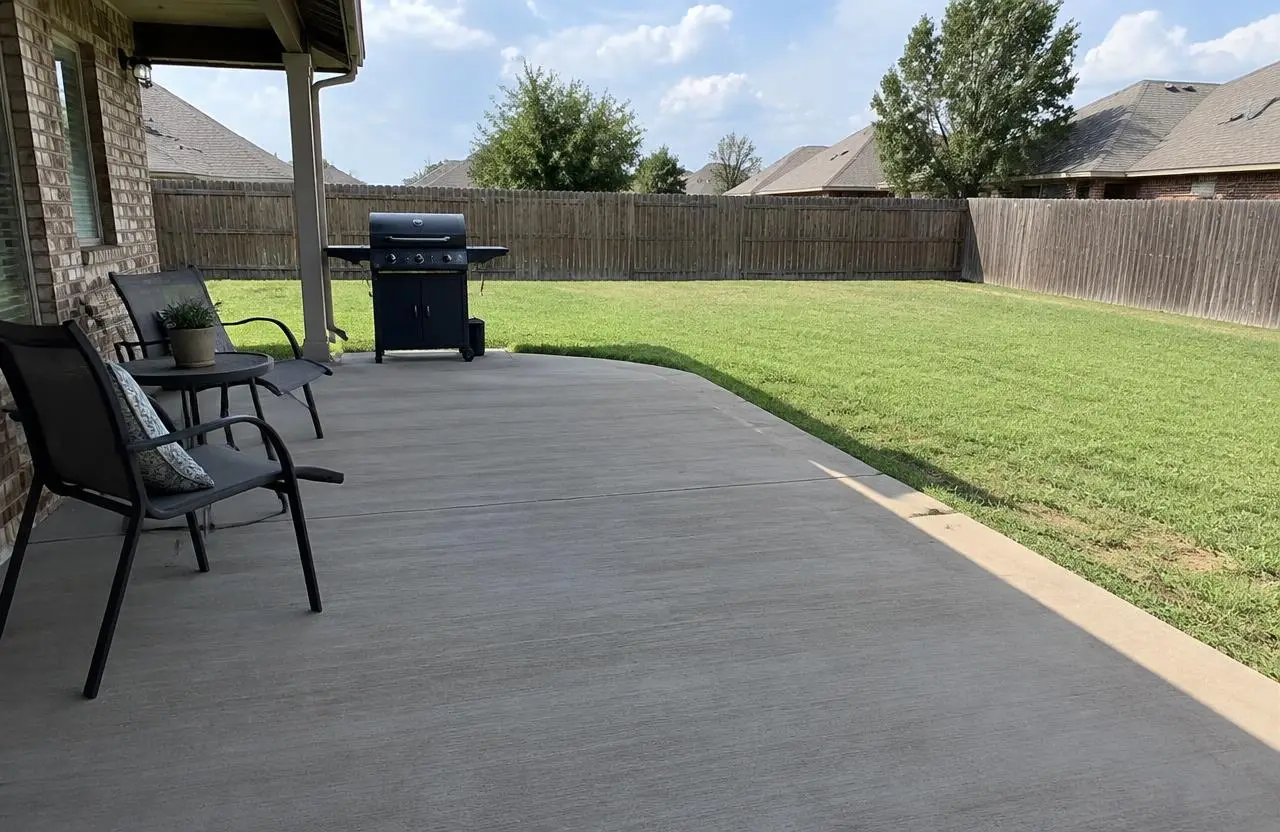 Concrete PatiosConcrete patios for East Texas back yards: layout, finishes, drainage and covered spaces. Talk to Tyler Solid Concrete for a free on-site estimate.
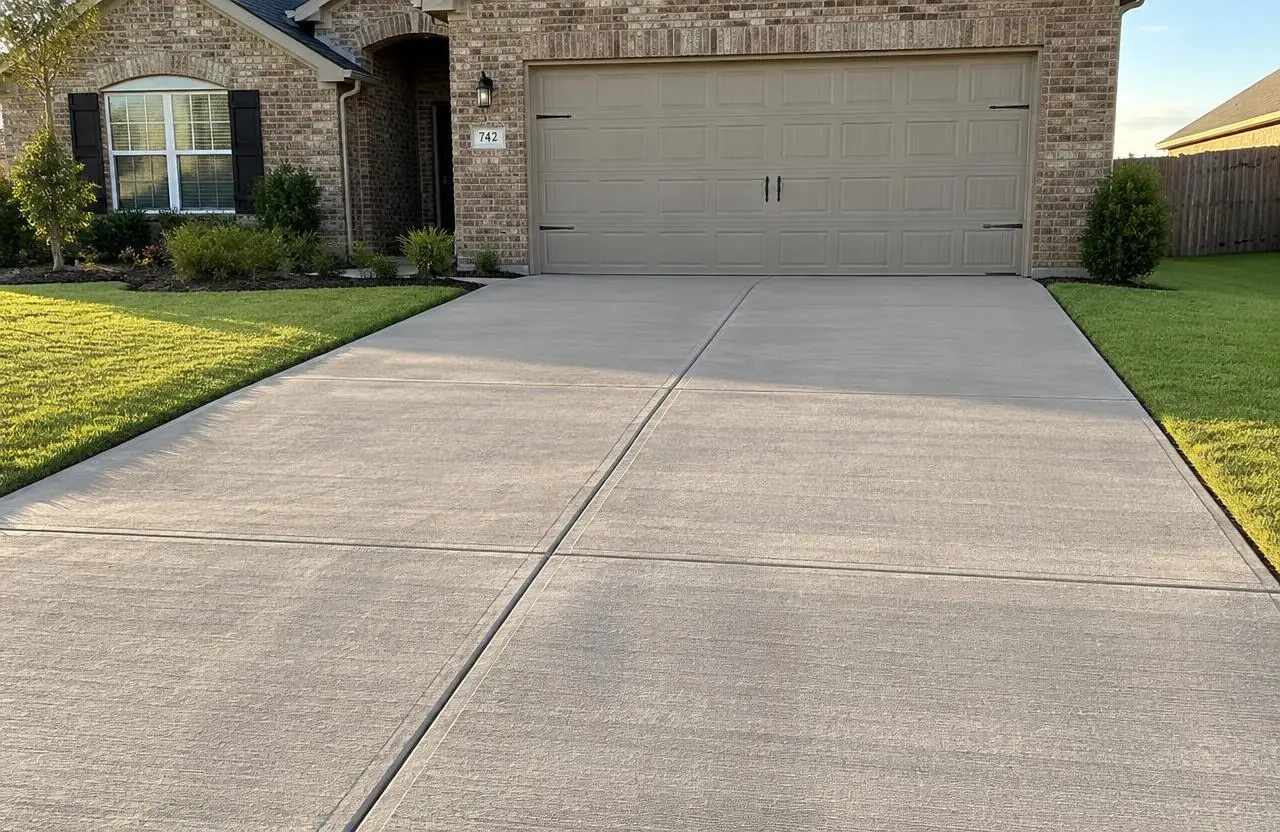 Concrete DrivewaysNew concrete driveways, widening and extensions in Tyler, TX. Proper base prep, drainage, finishing and curing. Schedule a free on-site estimate.
Keep reading
- How to Prepare for a Concrete Installation
Good preparation goes beyond clearing the driveway. Sort out access, water flow, utilities, and daily routines before the crew arrives.
- How Long Does Concrete Take to Cure?
Concrete can look ready before it can handle the planned load. Learn why curing time, traffic approval, and drying time are different.
- When Can You Drive on New Concrete?
Wait until your contractor releases the driveway for your specific vehicle. Many ordinary residential projects use about seven days as a planning point for passenger cars, but that is not a guarantee. The mix, weather, curing, slab design, and actual strength can change the wait. Heavy vehicles often need longer and separate approval.
- Concrete Installation Process
Ready to talk about your concrete project?
Free on-site estimates in Tyler and nearby East Texas towns.