
Concrete Steps and Entry Landings in Tyler, TX
Good steps should feel natural underfoot and give you room to enter safely. Tyler Solid Concrete helps plan concrete entrances, landings, and approaches around the doorway, yard levels, drainage, and the needs of the people using them.
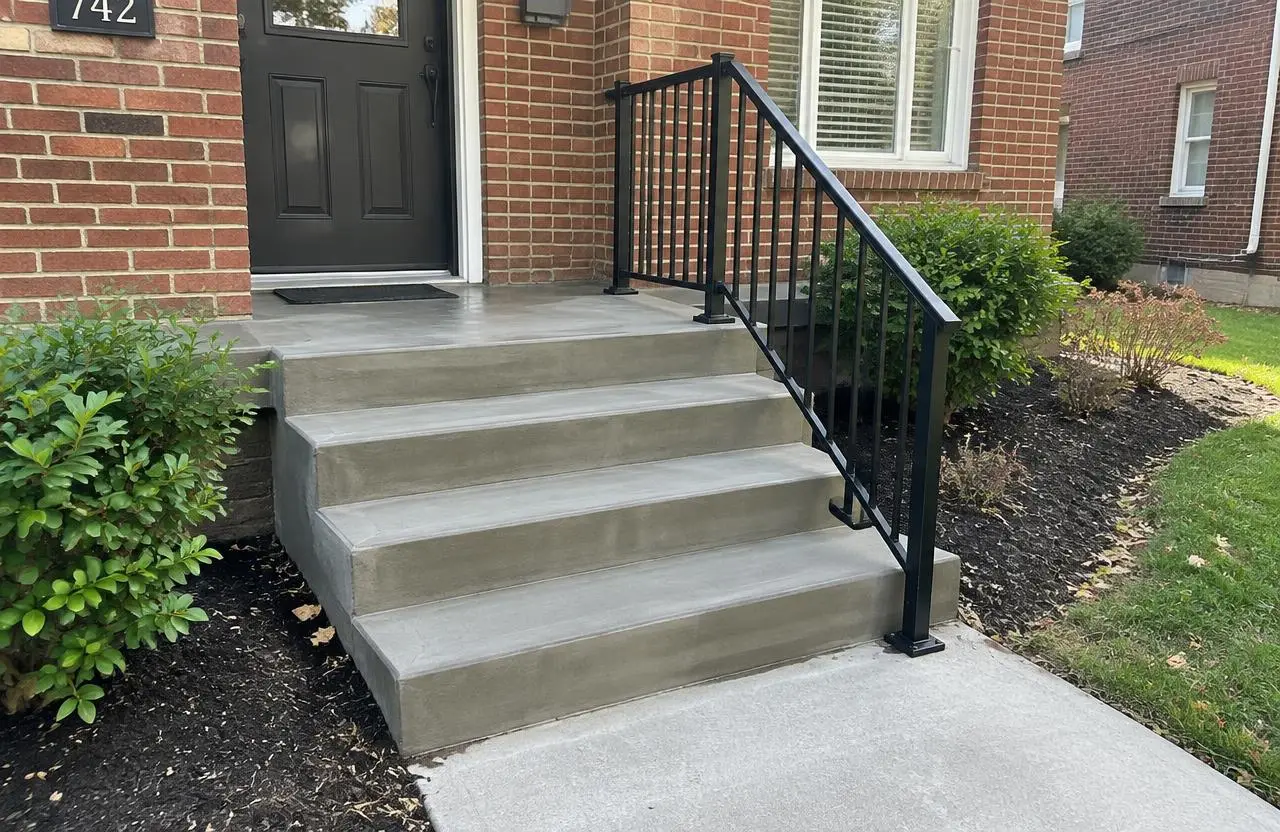
Plan the whole entrance
An entry is more than a stack of steps. It includes the landing, door swing, handrail space, approach walk, and the ground at the bottom. A narrow landing can feel awkward when you carry groceries or open an outward-swinging door. The first visit should include measurements of the full route, not just the height from the yard to the threshold.
Common projects include replacing worn front steps, adding a back-door landing, and connecting a side entrance to a walk. A new porch or major elevation change may need design work beyond a basic step pour. If access without stairs is needed, discuss a separate accessible route early. Steps alone do not provide that route.
Choose a layout that suits the doorway
Step dimensions, landing size, guards, and handrails must follow the applicable requirements for the project. Uniform risers and treads matter because unexpected changes can cause trips. Do not copy a neighbor's steps and assume the measurements will work at your home. Existing grades and door details may call for a different layout.
- Straight runs can keep the path simple where space allows.
- Wider landings may give more room to pause and open a door.
- Connected walks can reduce muddy gaps between the driveway and entrance.
- Replacement work may need changes to nearby rails, landscaping, or paving.
A broom finish can provide texture without a busy pattern. Decorative options need care around tread edges, where a clear visual break helps users judge each step. Ask about wet traction and sealer choices rather than choosing only by color. Related sidewalk work can be planned at the same time.
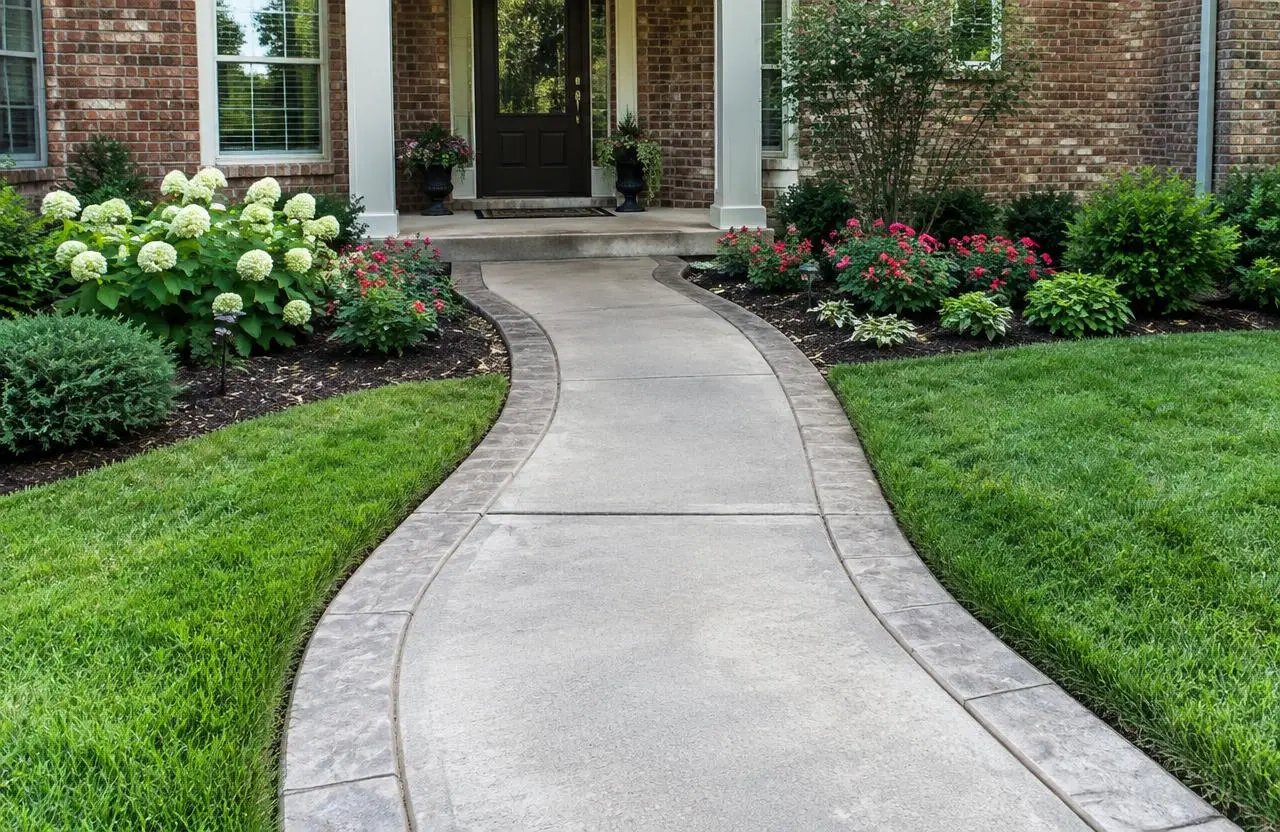
Support and water control come first
Concrete steps are heavy. Their support needs depend on the ground, structure, height, loads, and local requirements. Some projects need designed footings or other structural details. Attachment to an existing building also needs care. Randomly drilling into a foundation is not a substitute for a sound connection plan.
East Texas rain can collect at an entry if the landing or approach directs water toward the house. Finished levels must respect the threshold, wall drainage details, and adjacent surfaces. Soil that holds water beside the steps can also affect support. Our drainage and grading article explains why the surrounding yard matters.
From measurements to finished steps
- Measure the entrance and agree on layout, finish, rails, and work limits.
- Check applicable permits, design needs, utilities, and safe access during construction.
- Remove old material where needed and prepare the planned support.
- Set secure forms and install reinforcement or connections specified for the project.
- Place and finish the concrete, then protect it during curing.
- Review the completed route and explain when it can be opened.
Fresh steps need a clear barrier, especially near a door people use every day. Plan another entrance before work starts. Pets and children should not be able to reach the pour. Its easy to forget a delivery driver may use the usual front path, so leave a clear notice and safe alternative.
What affects the estimate
Price depends on height, width, landing area, support design, demolition, and access. Complex forms take time. Handrails, guards, permits, and work against an existing building may be separate line items. Ask whether hauling and restoration beside the steps are included. A photo helps start the discussion, but it cannot show every support or threshold issue.
Care and contractor questions
Keep steps free of mud, leaves, and items that block the walking surface. Watch for movement, loose rails, or water collecting at the landing. Avoid harsh cleaners that may damage the finish. Before hiring, ask who checks code needs, how temporary access will work, and whether rail installation is included. For coordinated entry work, see our concrete contractor services. Schedule a Free Estimate or Call (903) 618-2421.
Frequently asked questions
+Can new steps be poured over old steps?
Only if a suitable design supports that approach. Unsound concrete, poor dimensions, and moving support may make removal the better choice. An overlay should not hide a safety problem.
+Do concrete steps need handrails?
Requirements depend on the configuration and applicable code. Confirm rail and guard needs during planning so the finished layout leaves room for safe installation.
+Can you match the height of my existing doorway?
The threshold is a key measurement, but landing clearance and water protection also matter. The layout should be checked against the door and surrounding grades.
+Are smooth steps a good outdoor choice?
A very smooth surface can be slippery when wet. Discuss an outdoor texture, tread visibility, and any sealer's effect on traction before choosing the finish.
+Can I use my front door during construction?
It may need to stay closed while demolition, forming, placement, and curing take place. Arrange a safe alternate entrance and confirm the access plan before work starts.
Related services
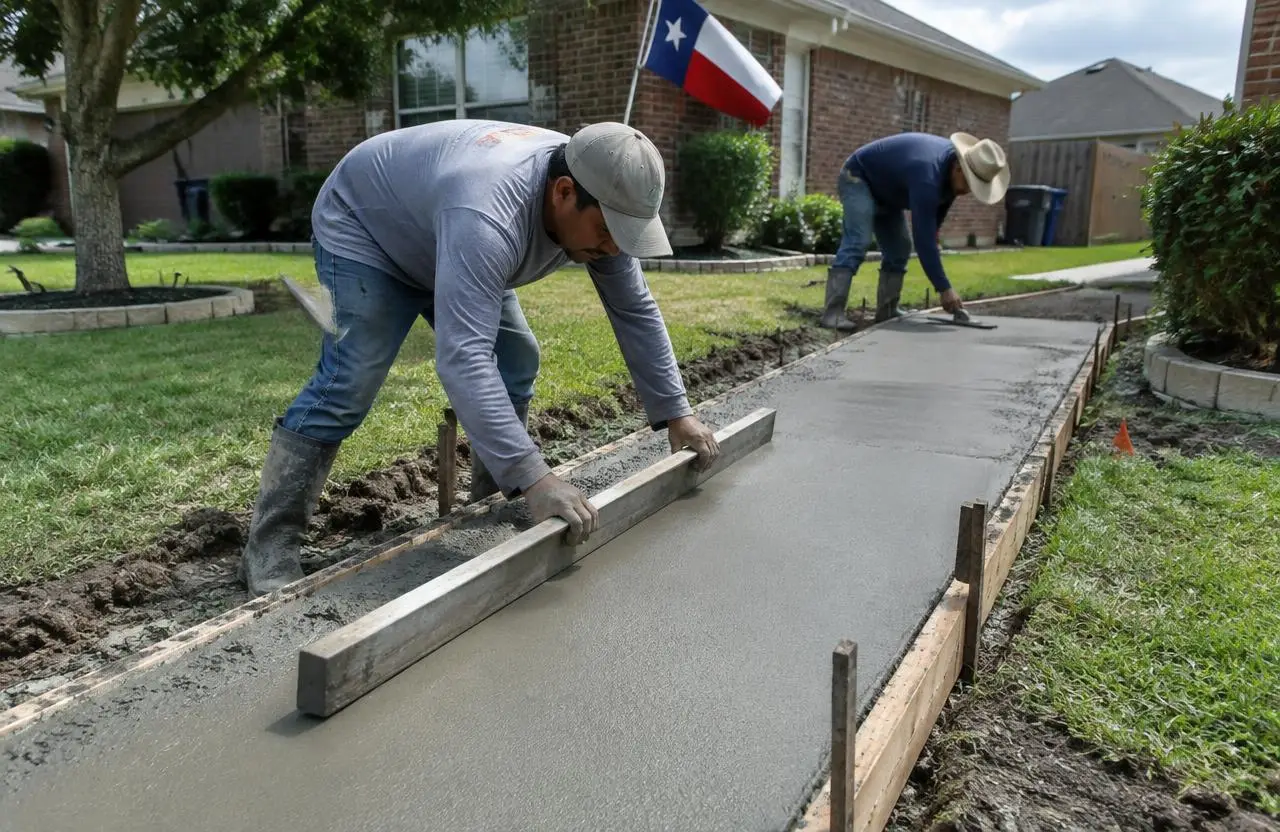 Concrete SidewalksConcrete sidewalks, garden paths and entry walks in Tyler, TX. Smooth, safe, well-drained walkways built to last. Free estimates from our crew.
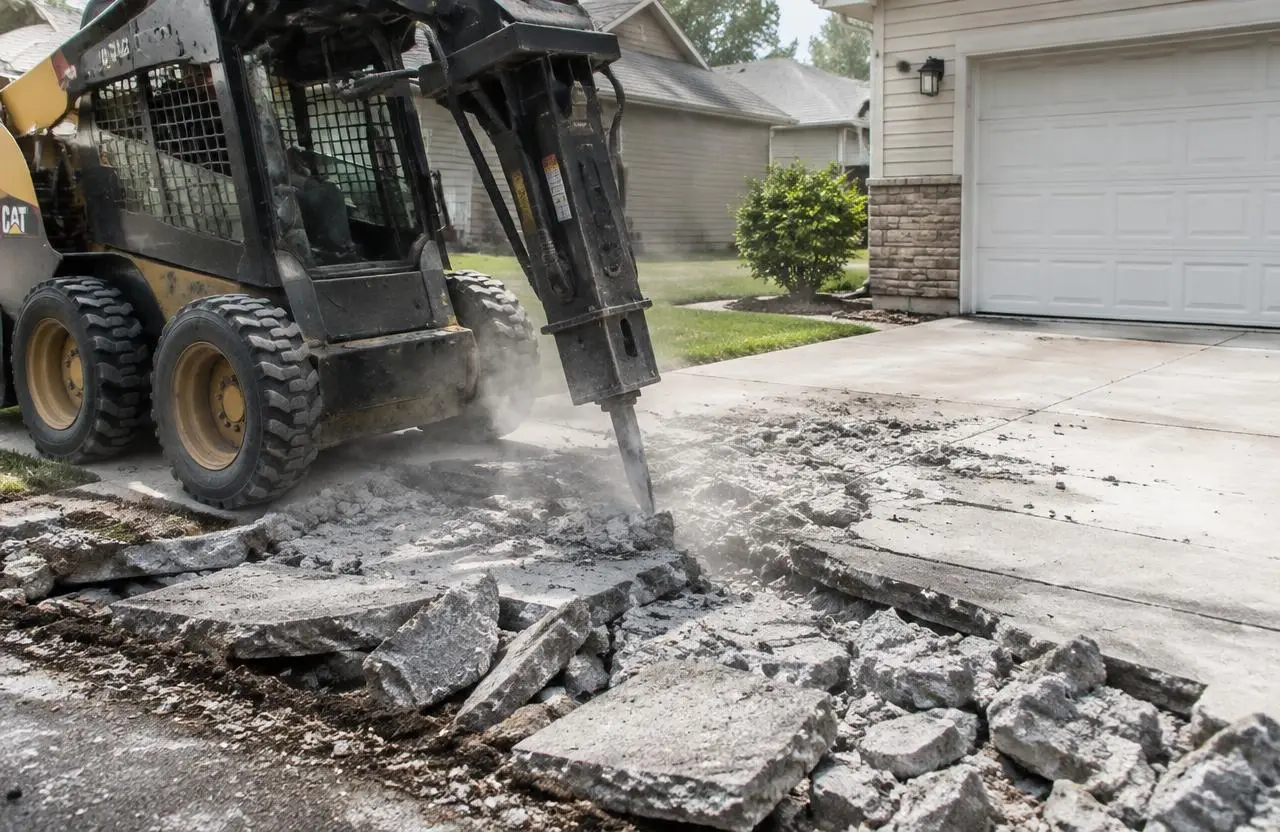 Concrete ReplacementReplace cracked, sunken or worn concrete in Tyler, TX. We remove it, fix the base and pour new. Learn when repair is not enough. Free estimates.
 Decorative ConcreteDecorative concrete in Tyler, TX: exposed aggregate, stains, color, saw-cut designs and borders. Plain slabs with style. Request a free estimate.
Helpful reading
- How to Prepare for a Concrete Installation
Good preparation goes beyond clearing the driveway. Sort out access, water flow, utilities, and daily routines before the crew arrives.
- Why Concrete Drainage and Grading Matter
A new slab changes where rain goes. Water that once soaked into grass may run toward a doorway, across a walk, or into a low corner. Good concrete planning starts with that route. Surface finish matters, but it cannot correct a slab built at the wrong height or a drain with nowhere to empty.
- How to Maintain Concrete Outdoor Surfaces
Outdoor concrete care works best as a few small habits, not one big cleaning day. Walks, steps, patios, and driveways face different use, but all benefit from clear drainage and early attention to damage. Build your routine around leaves, storms, spills, and changes in the surface rather than treating every slab with the same product.
Talk to us about your concrete steps project
Free on-site estimates in Tyler and nearby East Texas towns.