
How to Maintain Concrete Outdoor Surfaces
By the Tyler Solid Concrete team · Published · Repairs and Maintenance
Outdoor concrete care works best as a few small habits, not one big cleaning day. Walks, steps, patios, and driveways face different use, but all benefit from clear drainage and early attention to damage. Build your routine around leaves, storms, spills, and changes in the surface rather than treating every slab with the same product.
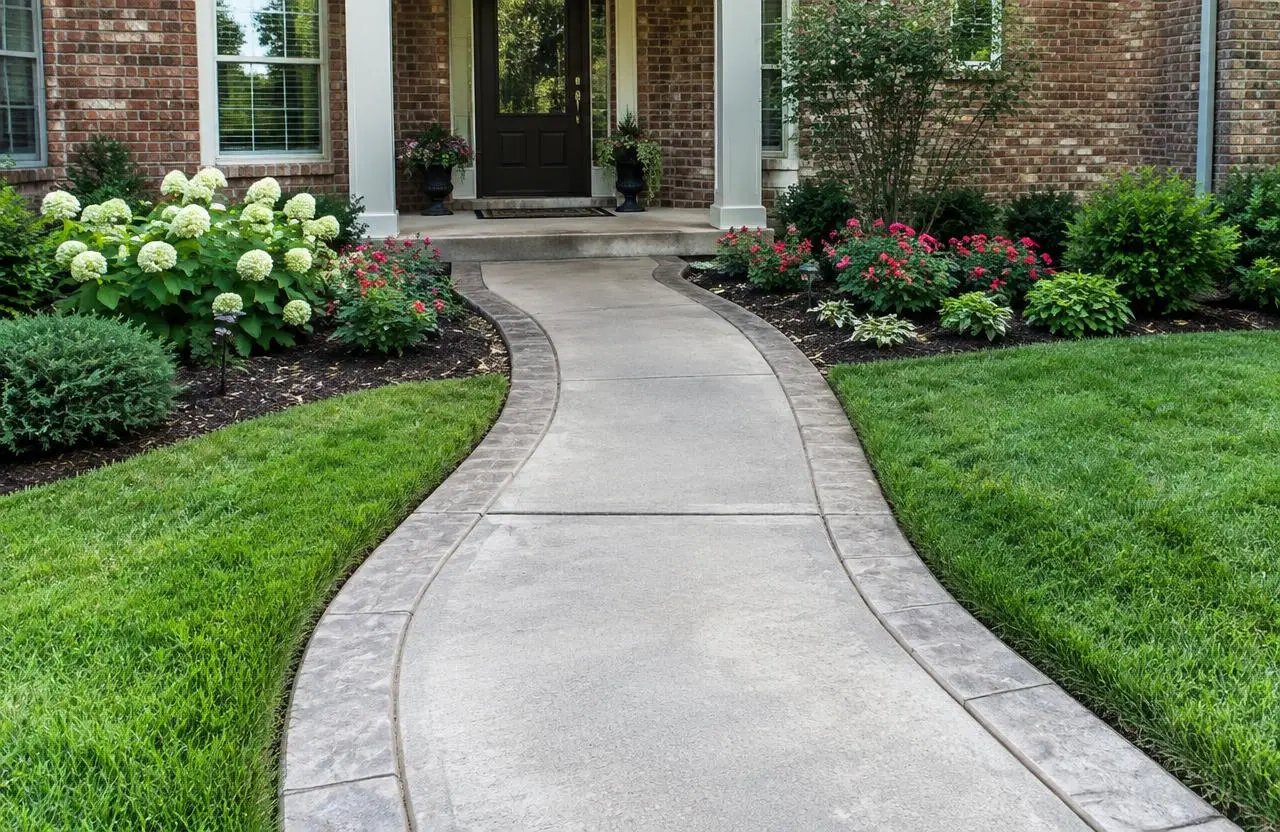
Outdoor concrete care works best as a few small habits, not one big cleaning day. Walks, steps, patios, and driveways face different use, but all benefit from clear drainage and early attention to damage. Build your routine around leaves, storms, spills, and changes in the surface rather than treating every slab with the same product.
Weekly habits: remove what holds moisture
Sweep off leaves, soil, and grass clippings before they pack into corners or joints. Damp leaves can stain concrete and hide slick growth. Move light furniture when needed to clean beneath it, but lift rather than drag it. Check shaded routes to doors, since those areas may stay wet longer than open pavement.
Blot oil or cooking spills promptly with a suitable absorbent material, then follow a cleaner label intended for that surface. Do not wash oil, paint, or dirty chemical water toward a storm drain. Use the least aggressive method that works, and keep runoff away from planting areas or waterways when cleaning products could cause harm.
After rain: inspect the path water takes
Look for standing water, washed-out soil, and dirt trails across the slab. A puddle can result from a blocked outlet, a changed yard grade, or slab movement. Cleaning the top will not correct all three. Check downspouts and drains from a safe place, without entering moving water or reaching into unknown openings.
Do not raise soil or mulch against concrete simply to hide an exposed edge. You may block a drainage path or cover needed clearance beside the house. The drainage and grading article explains the larger picture. The EPA’s rain management resources also show why runoff deserves attention beyond the paved area.
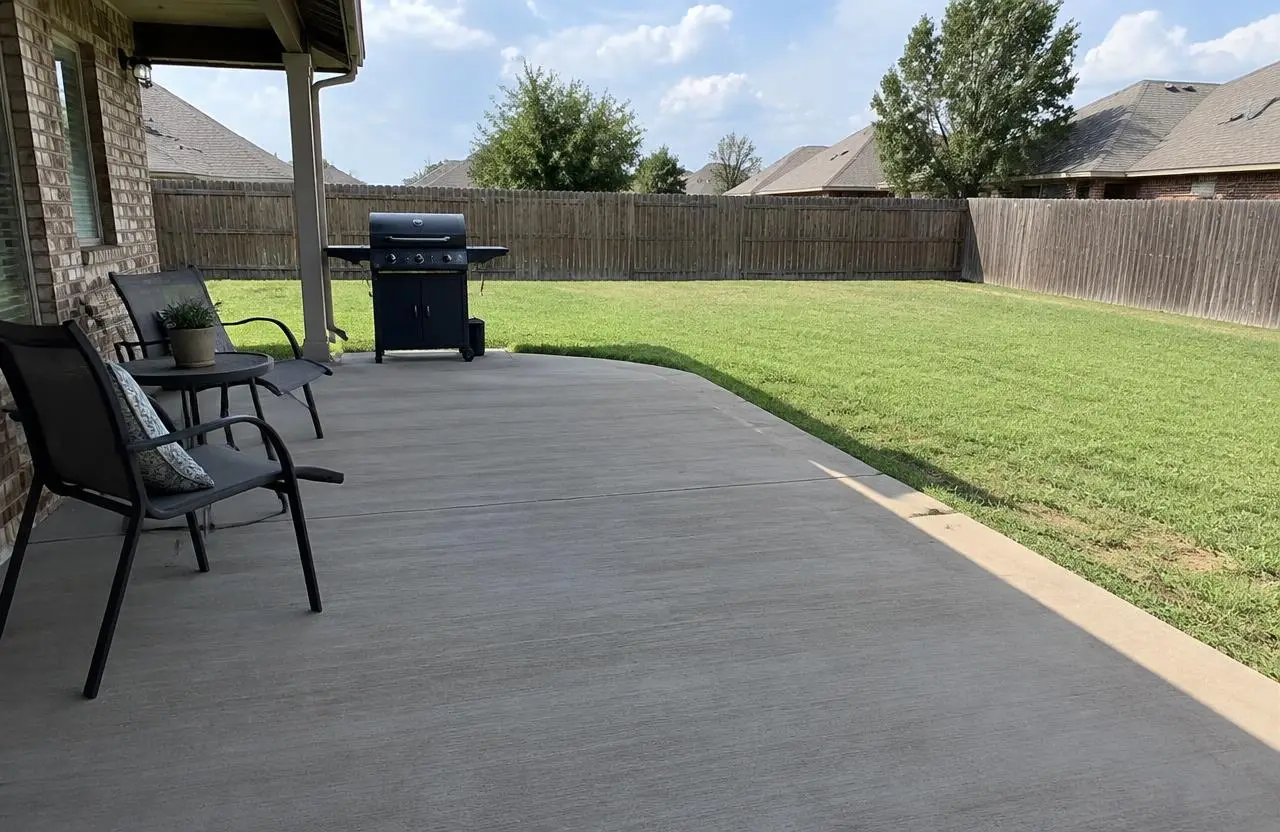
Seasonal checks: separate joints from cracks
Joints are planned breaks or separations that serve a purpose. Random cracks need a different review. Keep debris from bridging joints where practical, but do not fill every groove with hard mortar. Some joints must allow movement, and the proper sealant or filler depends on the joint type and intended use.
Take photos of cracks, raised edges, and areas where the surface is coming loose. Use the same angle each season to see change. A small mark can be stable, while a slowly lifting corner may become a trip hazard. Our concrete repair information explains why the cause should guide the treatment.
Choose care by the surface you have
- Broom-finished walks: protect the useful texture and watch for slick growth in shade.
- Stamped patios: follow the existing sealer’s instructions and check traction when wet.
- Driveways: remove oil promptly and avoid loads beyond the pavement’s design.
- Steps and landings: give loose edges, poor lighting, and uneven transitions quick attention.
For decorative surfaces, use the stamped concrete maintenance tips before applying any coating. For pavement used by cars, the driveway maintenance guide adds vehicle-related checks. A product suited to bare concrete may not suit colored, sealed, or coated concrete, so read its label and test a hidden area first.
Pressure washing is not always the first choice. Excess pressure or a narrow spray can damage a weak surface or strip a coating unevenly. Follow equipment and surface guidance, keep the spray moving, and wear the recommended protection. Avoid washing unstable material; loose pieces can break free and leave a larger damaged area.
Do not confuse sealing with structural repair
Some outdoor concrete benefits from a compatible sealer, but not every slab needs the same product or schedule. Ask what problem the sealer addresses and how it affects appearance and grip. A coating cannot level a settled walk, restore missing base support, or make broken steps sound. Extra coats may also trap moisture or become slick.
The NRMCA guide to finishing concrete flatwork describes the link between surface texture and intended use. Keep that purpose in mind during maintenance. Its tempting to chase a glossy look, but a walking route needs useful traction and sound edges more than it needs shine.
Know when to stop and call
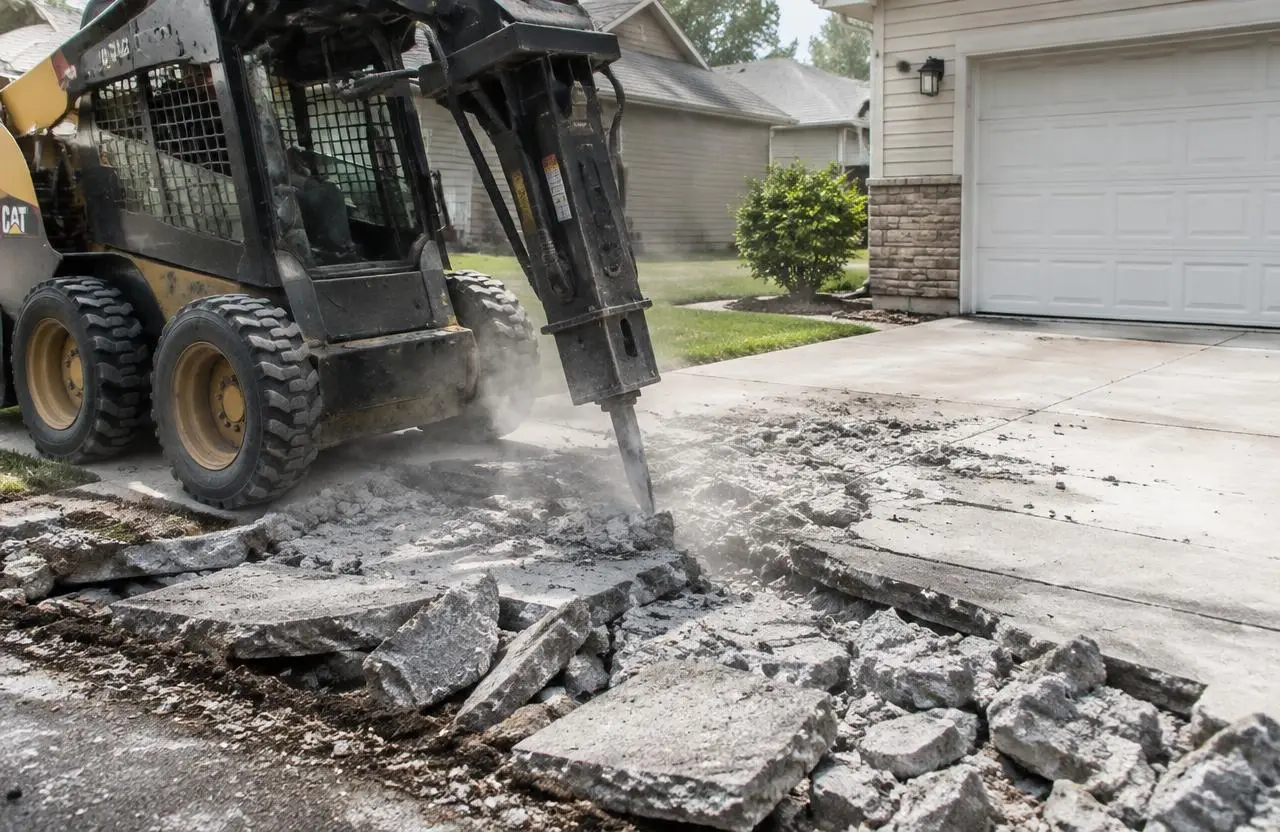
Arrange a review when a slab rocks, a crack keeps opening, an edge becomes a trip risk, or water begins collecting near the house. Keep people away from loose steps or badly broken sections until they can be assessed. Do not grind, cut, or demolish concrete as a casual cleaning task; dust, tools, and hidden utilities create added hazards.
When you request a maintenance assessment from Tyler Solid Concrete, send photos and explain what changed. Note any recent tree work, drainage changes, or heavy vehicle use. That history helps the site visit focus on likely causes. Depending on conditions, the next step may be cleaning guidance, targeted repair, or replacement of damaged concrete, not a blanket coating.
Keep a simple log of cleaning products, coatings, photos, and repair dates. Store it where you can find it before the next service visit. A short record and a regular walk around the property can help you catch trouble early without turning concrete care into a complicated project.
Sources
Related concrete services
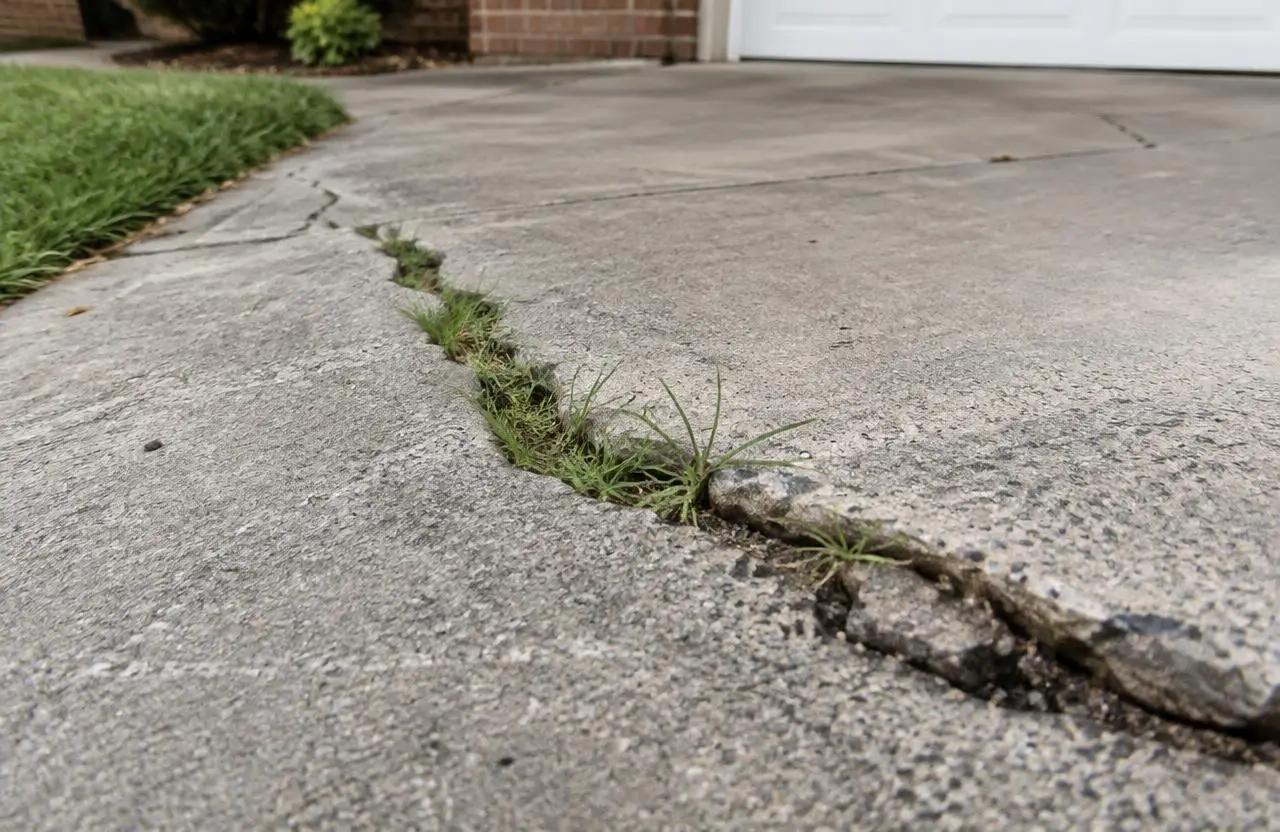 Concrete RepairExplore concrete repair options in Tyler, TX, from surface damage to cracks. Learn when repairs make sense and when replacement deserves a closer look.
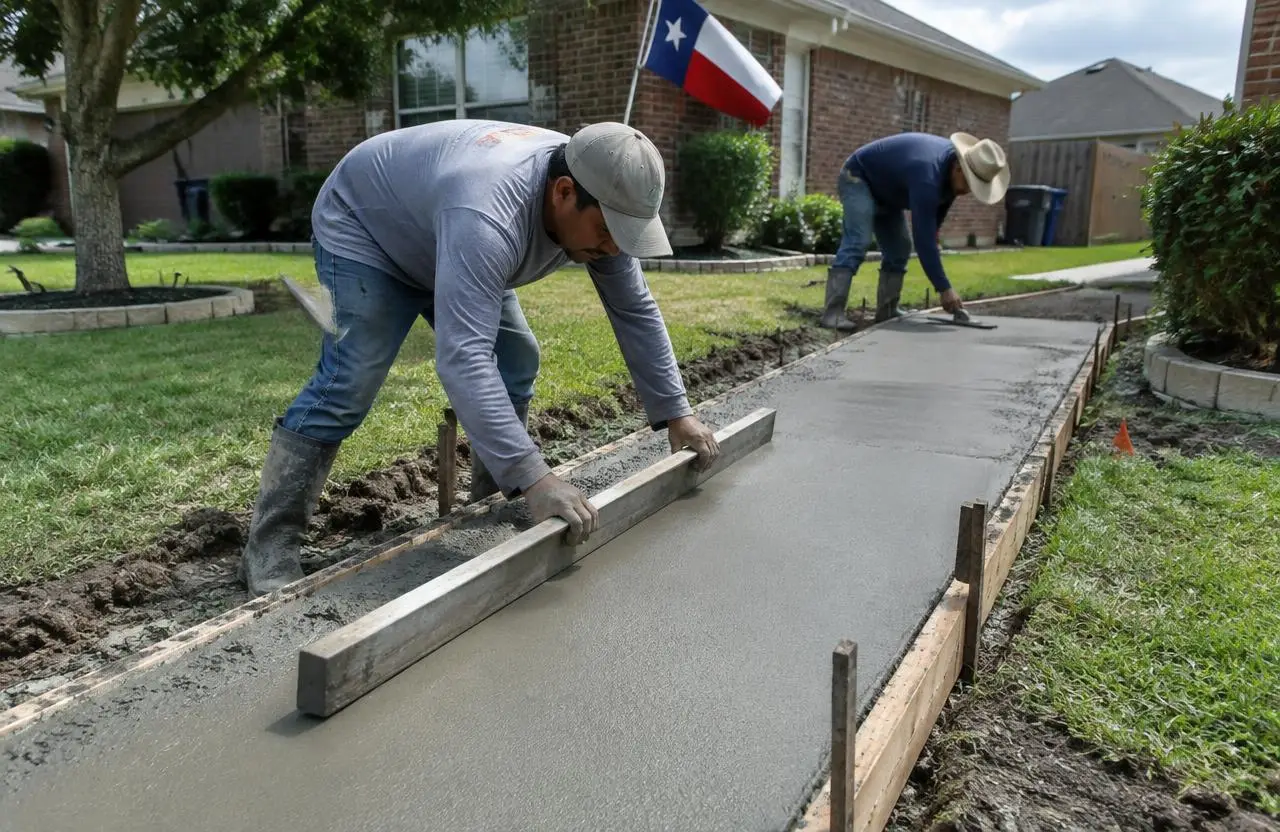 Concrete SidewalksConcrete sidewalks, garden paths and entry walks in Tyler, TX. Smooth, safe, well-drained walkways built to last. Free estimates from our crew.
 Concrete ReplacementReplace cracked, sunken or worn concrete in Tyler, TX. We remove it, fix the base and pour new. Learn when repair is not enough. Free estimates.
Keep reading
- Stamped Concrete Maintenance Tips for Tyler Homes
Stamped concrete needs care, but it should not take over your weekends. The goal is to protect the colored surface without building up layers of cleaner or sealer. In Tyler, shaded patios may stay damp after rain while sunny edges dry quickly. Treat those areas by what you see, not by one fixed calendar.
- Why Concrete Drainage and Grading Matter
A new slab changes where rain goes. Water that once soaked into grass may run toward a doorway, across a walk, or into a low corner. Good concrete planning starts with that route. Surface finish matters, but it cannot correct a slab built at the wrong height or a drain with nowhere to empty.
- How to Maintain a Concrete Driveway
A simple routine helps you spot water problems, surface wear, and moving cracks before you choose a repair that may not fit.
Ready to talk about your concrete project?
Free on-site estimates in Tyler and nearby East Texas towns.