
Concrete Repair in Tyler, TX
A crack does not always mean you need a new slab. But a quick patch is not always the right fix either. Tyler Solid Concrete helps you look at the damage, the likely cause, and the limits of a repair before choosing the next step.
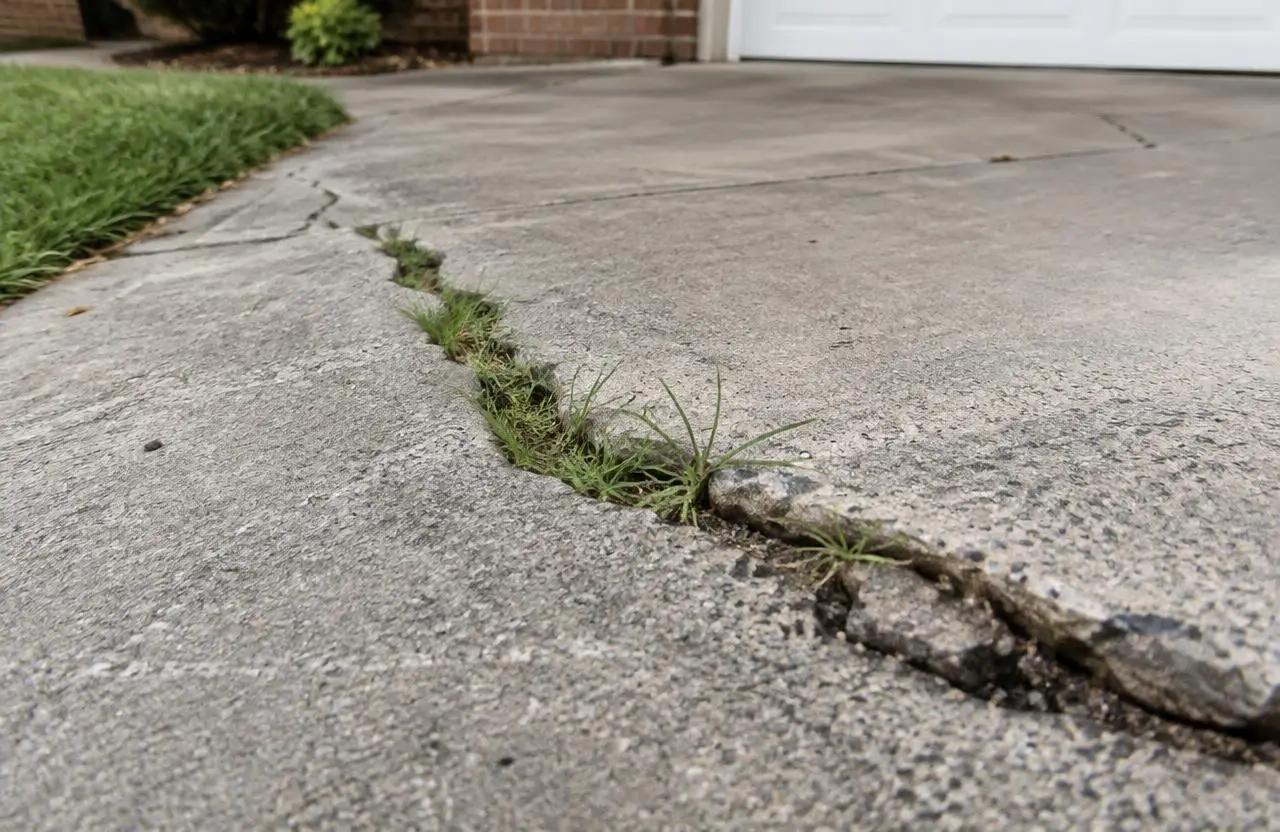
Start with the cause, not the filler
Concrete can crack as it shrinks, settles, or moves with the ground below it. Tree roots, poor drainage, heavy loads, and weak support can also play a part. In East Texas, clay soils may swell when wet and shrink during dry spells. Filling a gap does not stop that movement. An inspection should look beyond the visible line to nearby joints, edges, soil, and water flow.
Useful clues include when the crack appeared, whether it gets wider, and whether one side sits higher. Photos taken over time can help. A patch may improve a stable surface, but it should not be sold as a cure for active settlement. For a deeper comparison, read our repair or replacement guide.
Damage that may suit a targeted repair
- Small, stable cracks where an appropriate filler can reduce water entry.
- Local surface chips where loose material can be removed back to sound concrete.
- Worn joint material that needs cleaning and a suitable replacement sealant.
- Limited surface wear where a compatible repair system has sound concrete to bond to.
The repair material must suit the depth, moisture, expected movement, and use of the area. A rigid product and a flexible joint sealant do different jobs. Coatings or thin resurfacing layers also need a sound base. Ask whether the proposed method is available for your site and what it can reasonably achieve.
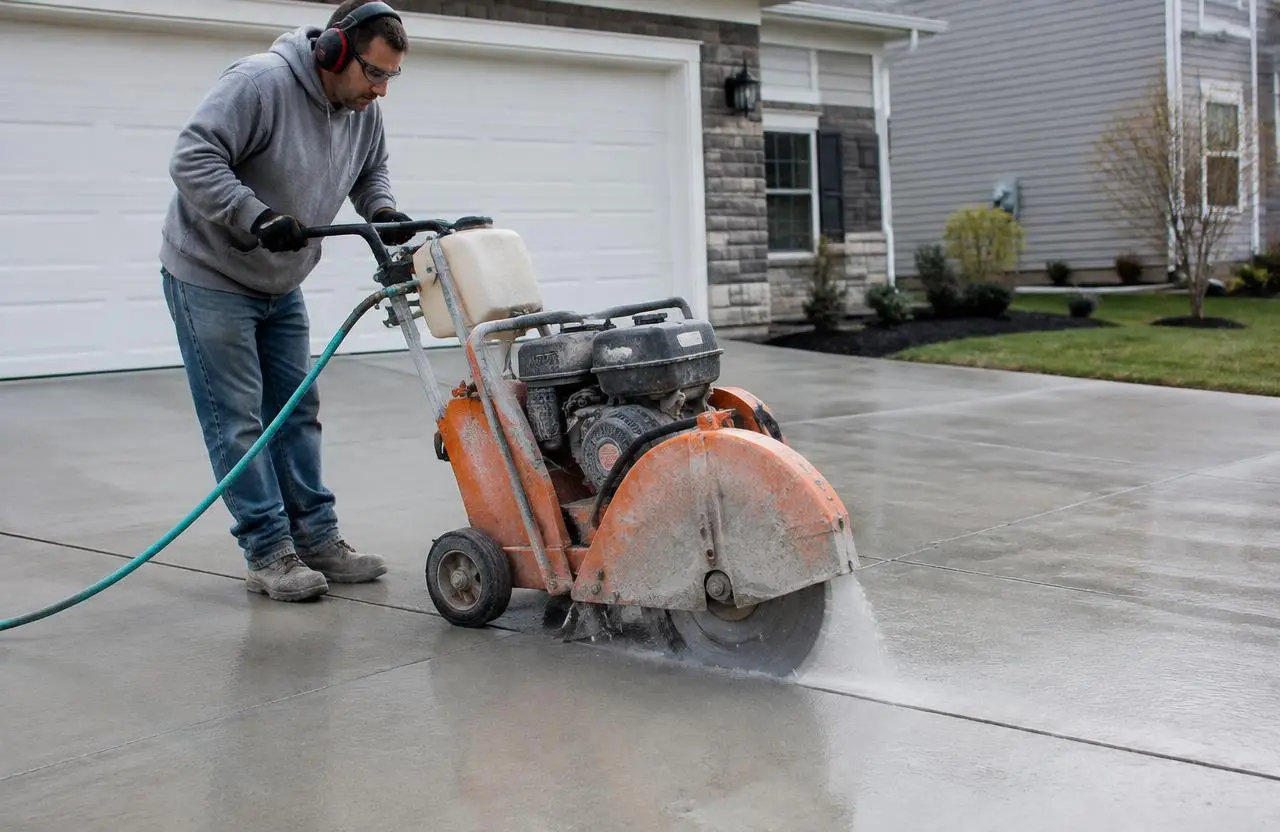
When replacement deserves a closer look
Several broken panels, deep surface loss, repeated settlement, or a large height change may make spot repairs poor value. Water entering a building or a growing trip edge also needs prompt attention. Keep people away from unsafe areas while the cause is checked. Suspected structural movement should be reviewed by a qualified professional, not hidden under a cosmetic patch.
A repair quote and a concrete replacement plan should describe different outcomes. Repair may leave visible marks and existing slopes in place. Replacement can allow changes to the base, levels, and drainage, though it involves more disruption. Neither choice should come with a promise that concrete will never crack.
What the repair process should cover
- Inspect the damaged area and check whether movement or water is still present.
- Agree on the repair limits, expected appearance, and access restrictions.
- Remove loose material and prepare the surface for the chosen product.
- Install the repair according to its product requirements and site conditions.
- Protect the work during curing and explain when normal use can resume.
Surface cleaning is more than sweeping. Dust, oil, weak edges, and moisture can affect bonding. Product limits may also rule out work during rain or extreme heat. Ask how nearby doors, plants, vehicles, and drains will be protected. Its worth clearing the work zone before the crew arrives so preparation is not rushed.
Drainage, cost, and daily care
Standing water can feed the same problem again. Downspouts, soil beside the slab, and nearby low spots should be checked before repairs are priced. Changing drainage may require work beyond the repair itself. Where a driveway is involved, our driveway cost page explains why access, demolition, and base work affect the wider budget.
Repair cost depends on preparation time, damage depth, material choice, access, and the number of separate areas. A small patch can still need several careful steps. Afterward, keep drains open, clean spills, and watch for new movement. Follow the repair product's care instructions rather than applying a sealer without checking compatibility.
Questions to ask before work begins
Ask what likely caused the damage, what the repair will not solve, and how closely the patch may match. Get the work limits and cleanup in writing. Ask who will handle any drainage changes and what would trigger a revised estimate. Our Tyler concrete contractor page covers related work. Schedule a Free Estimate or Call (903) 618-2421 to discuss the damaged area.
Frequently asked questions
+Can every concrete crack be repaired?
No. A stable crack may suit a targeted repair, but a moving slab, weak base, or widespread damage may need a different approach. Inspection comes first.
+Will the patch match the old concrete?
Not exactly in many cases. Age, aggregate, finish, and weathering affect color. Ask to discuss the likely contrast before approving a visible repair.
+Can a crack filler level a raised edge?
No. Filling a crack does not correct a height difference. The cause and safe treatment of the uneven area need a separate assessment.
+How soon can I use the repaired area?
That depends on the product, repair depth, weather, and expected load. Get written return-to-use instructions for the actual repair instead of using a general timeline.
+Should I seal a crack before an inspection?
If the area is safe, leave it visible and take clear photos. Covering damage can make assessment harder. Keep people away from trip hazards and report urgent safety concerns.
Related services
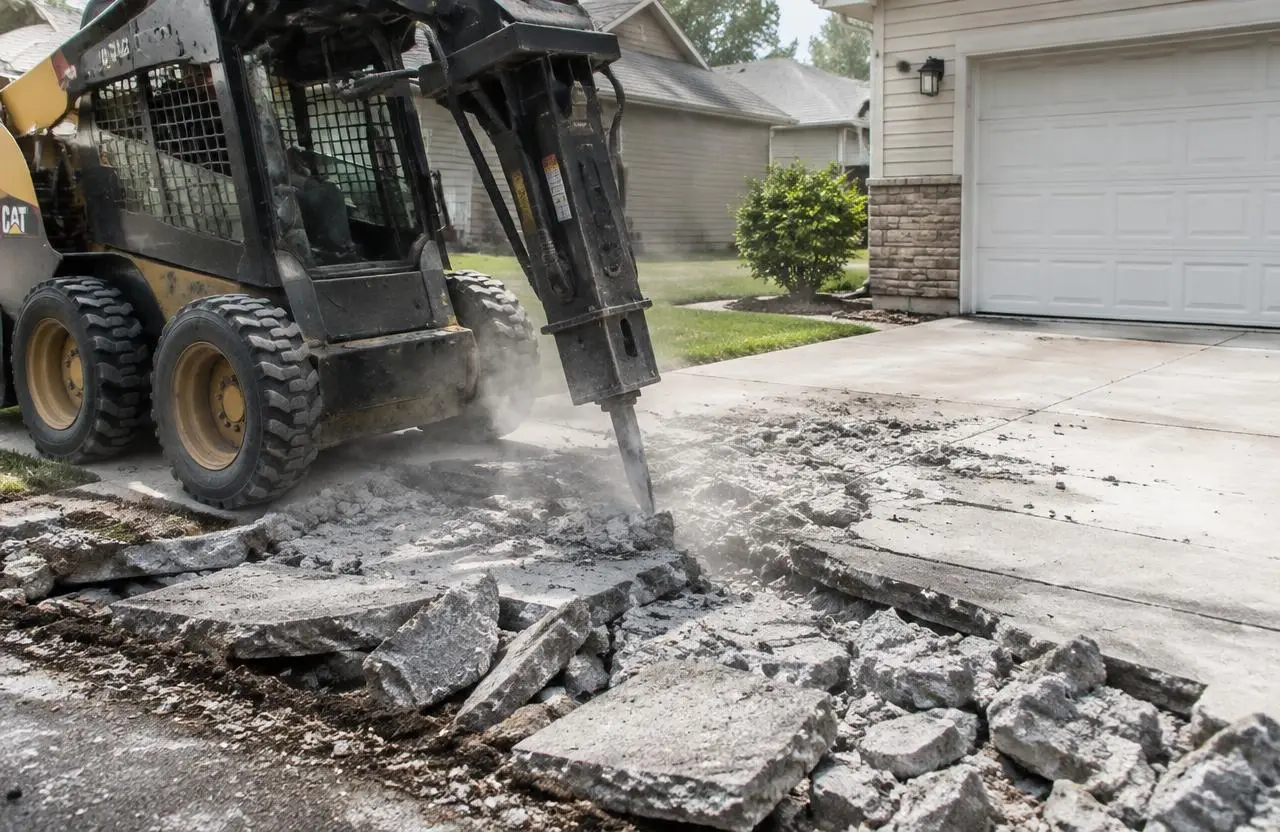 Concrete ReplacementReplace cracked, sunken or worn concrete in Tyler, TX. We remove it, fix the base and pour new. Learn when repair is not enough. Free estimates.
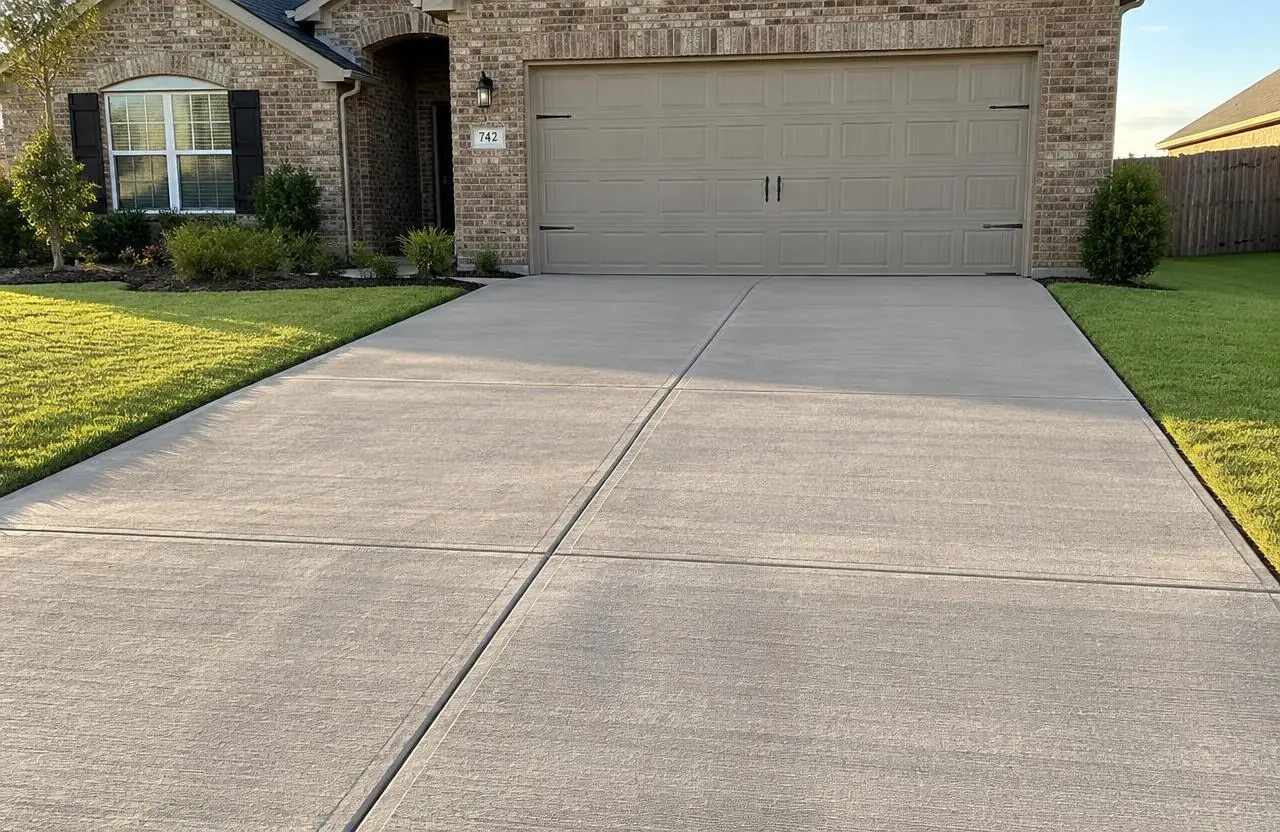 Concrete DrivewaysNew concrete driveways, widening and extensions in Tyler, TX. Proper base prep, drainage, finishing and curing. Schedule a free on-site estimate.
- Concrete RemovalPlan concrete removal in Tyler, TX, with clear demolition limits, utility checks, hauling, disposal, and preparation for the next use of your site.
- Concrete Driveway CostUnderstand concrete driveway cost factors in Tyler, TX. Compare size, demolition, access, drainage, base work, finishes, and the details behind an estimate.
Helpful reading
- Concrete Driveway Repair or Replacement?
A useful driveway decision starts below the surface. Learn which problems may suit a repair and which need a closer look at the base.
- Common Causes of Concrete Driveway Cracks
A crack across your driveway does not tell the whole story. Some cracks form as new concrete shrinks. Others point to moving soil, poor support, or loads the slab was not built to carry. Before buying a patch, look at the shape of the crack, the height of each side, and where rainwater goes.
- How to Maintain a Concrete Driveway
A simple routine helps you spot water problems, surface wear, and moving cracks before you choose a repair that may not fit.
Talk to us about your concrete repair project
Free on-site estimates in Tyler and nearby East Texas towns.