
How to Maintain a Concrete Driveway
By the Tyler Solid Concrete team · Published
A simple routine helps you spot water problems, surface wear, and moving cracks before you choose a repair that may not fit.
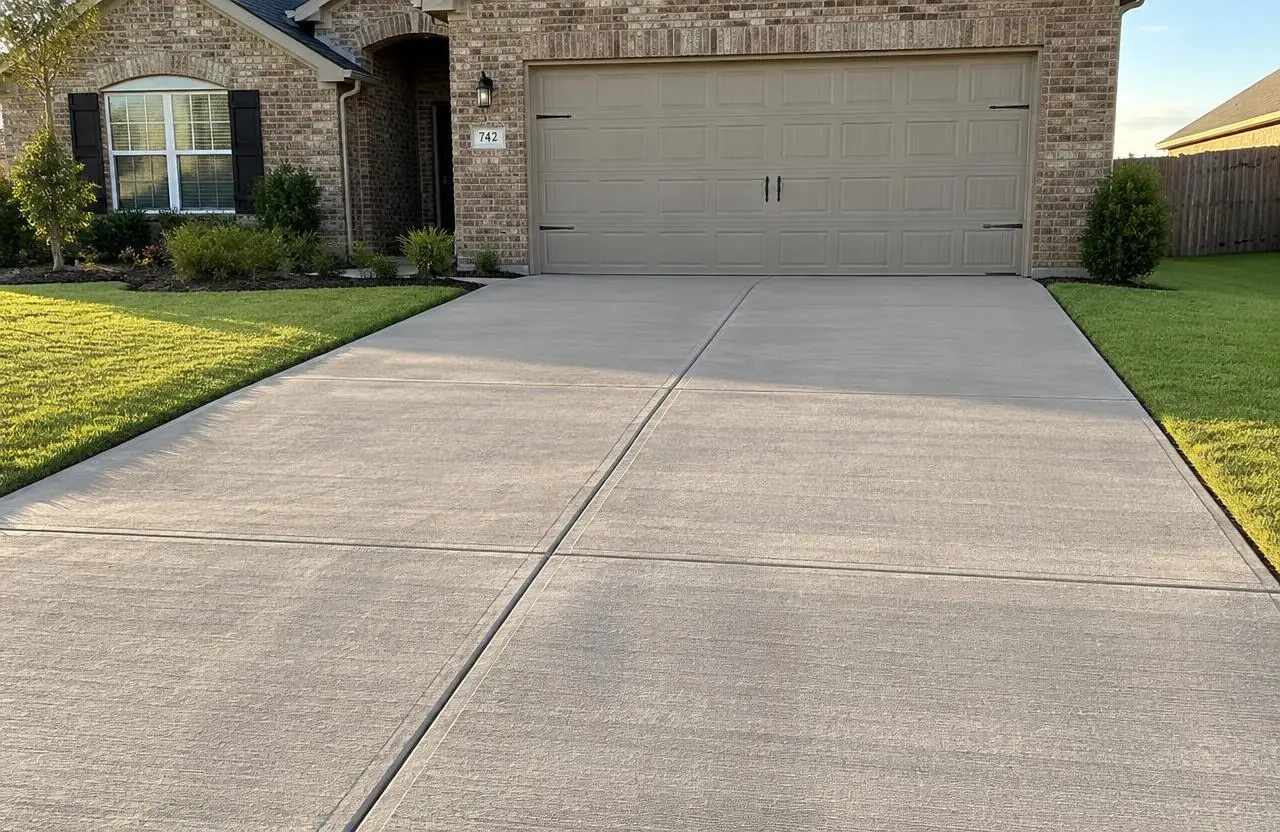
Concrete driveway care does not need to become a weekend project every week. A useful routine is simple: keep the surface clean, manage water, watch for changes, and use products that suit the finish. The goal is not to make old concrete look brand new. It is to protect useful concrete and catch problems early.
Tyler weather makes drainage worth checking often. Heavy rain can carry soil and leaves onto a driveway, while hot dry periods can change moisture in nearby clay. Those conditions affect different properties in different ways. Start with your site's water flow and surface condition rather than following a fixed maintenance calendar without looking.
Begin With a Baseline Inspection
Record what is already there
Walk the driveway when it is dry and well lit. Photograph existing cracks, stains, worn areas, and joints. Note any raised edges or places where a panel moves under normal use. Keep the pictures with a date. Future photos from the same angle make it easier to tell whether a concern is actually changing.
Then look during ordinary rain from a safe location. Does water drain away from the garage? Do downspouts empty beside an edge? Are leaves blocking a drain? A puddle may have a different cause from a crack. Do not assume a sealer or patch will solve a water-flow problem.
| When to check | Simple task | Reason to call for help |
|---|---|---|
| During routine yard care | Sweep debris and look for new damage | Loose concrete or a growing trip edge |
| After heavy rain | Check runoff, drains, and exposed edges | Soil washout or repeated ponding |
| After an oil or chemical spill | Contain and clean using a suitable product | Unknown chemical or a large spill |
| Before applying sealer | Identify the finish and existing treatment | Peeling coating or uncertain compatibility |
| Before heavier vehicle use | Confirm the driveway's intended loads | A truck, container, or equipment load beyond normal use |
Clean Gently Before Trying Stronger Methods
Start with debris and mild cleaning
Sweep leaves, dirt, and grit before they collect in corners and drains. For ordinary grime, try water, a suitable mild cleaner, and a nonmetal brush. Read the cleaner label and test a small hidden area. Some products can change concrete color or harm nearby plants. Never mix cleaners, especially bleach with acids or ammonia.
Contain oil with an appropriate absorbent rather than washing it into the street. Use a cleaner labeled for the stain and your surface. Follow local disposal guidance for oily waste and wash water. Old stains may not disappear completely. Repeated harsh treatment can do more harm than accepting a faint mark.
Use pressure washing with care
A pressure washer can scar concrete, remove weak surface paste, or strip a coating. Do not use it on fresh concrete without approval. For older work, follow equipment and surface guidance, begin gently, and avoid a close, concentrated jet. Stop if the surface changes texture. Decorative concrete may need a different cleaning method.

Treat Sealing as a Product Choice
Not every driveway needs the same sealer, and not every sealer gives the same result. Some products penetrate the surface; others form a visible film. They can differ in appearance, moisture behavior, traction, and maintenance. Identify any existing treatment before adding another layer. Incompatible products can peel, cloud, or fail to bond.
There is no sound rule that every driveway must be resealed on the same schedule. Product guidance, exposure, traffic, surface condition, and prior treatment matter. Ask about slip resistance where water collects or the driveway slopes. More coats are not automatically better. Its worth testing the proposed finish before treating the whole area.
New concrete has separate curing needs. A later protective sealer is not automatically a substitute for the original curing plan. Confirm when the chosen product can be applied and whether preparation or moisture testing is needed. NRMCA explains why moisture and temperature control matter during early curing. (see NRMCA guidance)
Match Crack Care to the Cause
A narrow crack with level edges may behave very differently from a crack beside a sinking panel. Causes include shrinkage, early surface drying, restrained movement, settlement, soil movement, and loading. NRMCA describes several patterns and stresses that concrete cannot be guaranteed crack-free. A photo or width measurement alone does not establish the right repair. (see NRMCA guidance)
Know the limits of crack filling
An appropriate sealant may help limit water and debris entry in a suitable crack. It will not lift a sunken panel, restore an eroded base, or stop all movement. Rigid filler may be unsuitable where movement continues. Avoid covering the evidence before a contractor inspects a growing crack or a noticeable height difference.
Keep designed joints working as intended. Do not pack movement spaces with a hard patch just because they resemble cracks. Joint treatment must suit the joint's purpose and design. If you are unsure whether a line is damage or a planned joint, ask before changing it. Review repair or replacement choices for wider problems.
Protect Drainage and Avoid Unexpected Loads
Keep drains clear and watch for soil washing away beside the driveway. Do not pile mulch or soil high against an edge if it blocks runoff. Discuss downspout changes before sending more water toward the slab. Large roots and nearby grading changes may need specialist advice rather than a quick cut or trench.
Use the driveway for the loads it was designed to carry. A loaded delivery truck, dumpster, or trailer support can exceed normal residential use. Ask before placing heavy equipment, especially near edges. Slab thickness, reinforcement, support, and joint details depend on loads, soil, design, and code; a clean surface does not prove extra capacity.
Plan for occasional cold weather
Use care with deicing products during a freeze. Follow concrete and product guidance, especially for newer surfaces. Avoid aggressive chipping with sharp metal tools. Keep melting snow and ice from repeatedly collecting at low spots. If traction is the immediate concern, choose a suitable method that does not create another hazard or damage a coating.
Keep Maintenance Work Safe
Do not grind or saw a crack as a casual cleaning task. Concrete cutting can release respirable silica dust, which can cause serious lung disease. Keep others away and use trained workers with task-appropriate controls for powered preparation. Dry sweeping can put dust back into the air. (see OSHA guidance)
Cement-based repair products can also cause wet cement burns. Wear the protection required by the label, prevent skin contact, and keep children and pets away. Remove contaminated clothing and rinse exposure promptly. Seek medical help for suspected burns. OSHA lists chemical burns from wet concrete among concrete-work hazards. (see OSHA guidance)
Know When Routine Care Is Not Enough
Request an inspection for growing height differences, rocking panels, widespread loose concrete, repeated patch failure, or water reaching the garage. Photograph the concern and explain when it appears. Maintenance cannot correct every base or drainage problem. Explore concrete repair in Tyler or driveway replacement planning when the cause goes beyond surface care.
Sources
Related concrete services
- Concrete DrivewaysNew concrete driveways, widening and extensions in Tyler, TX. Proper base prep, drainage, finishing and curing. Schedule a free on-site estimate.
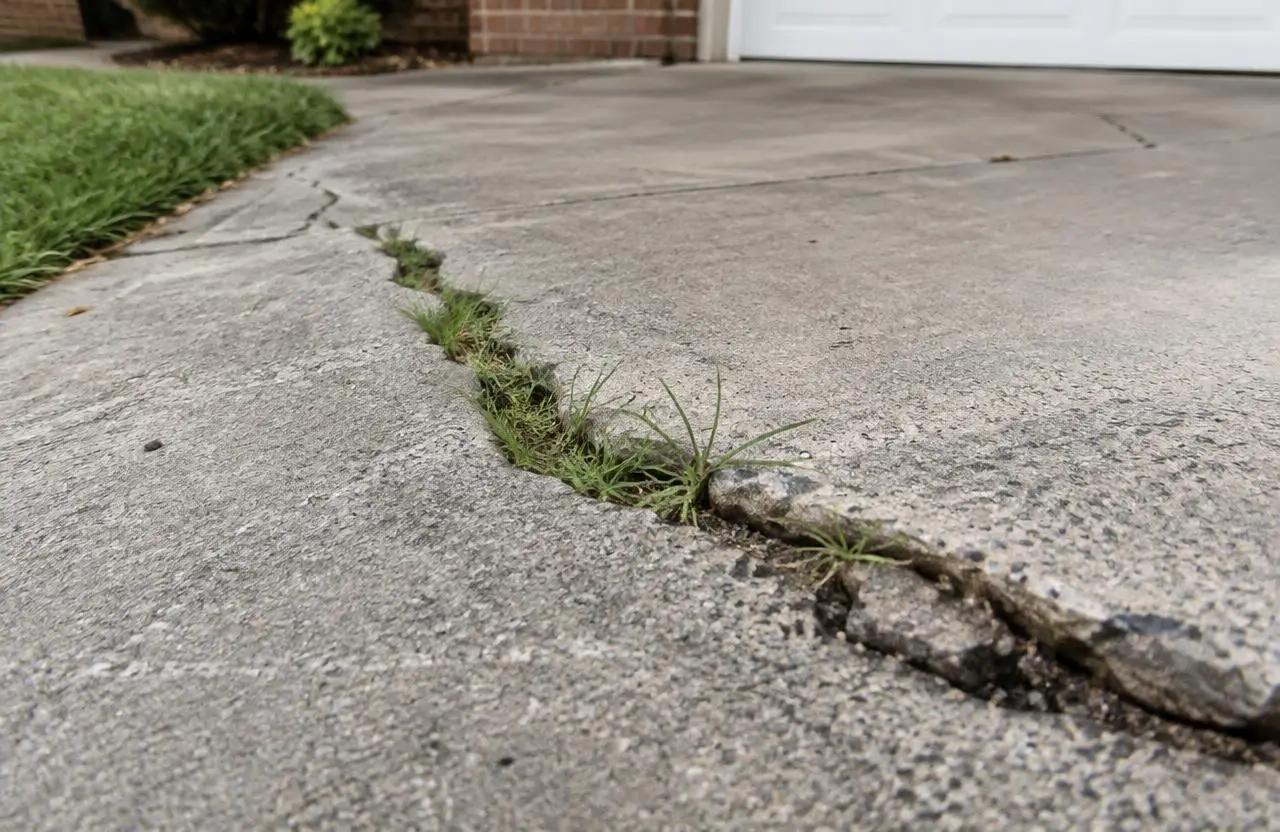 Concrete RepairExplore concrete repair options in Tyler, TX, from surface damage to cracks. Learn when repairs make sense and when replacement deserves a closer look.
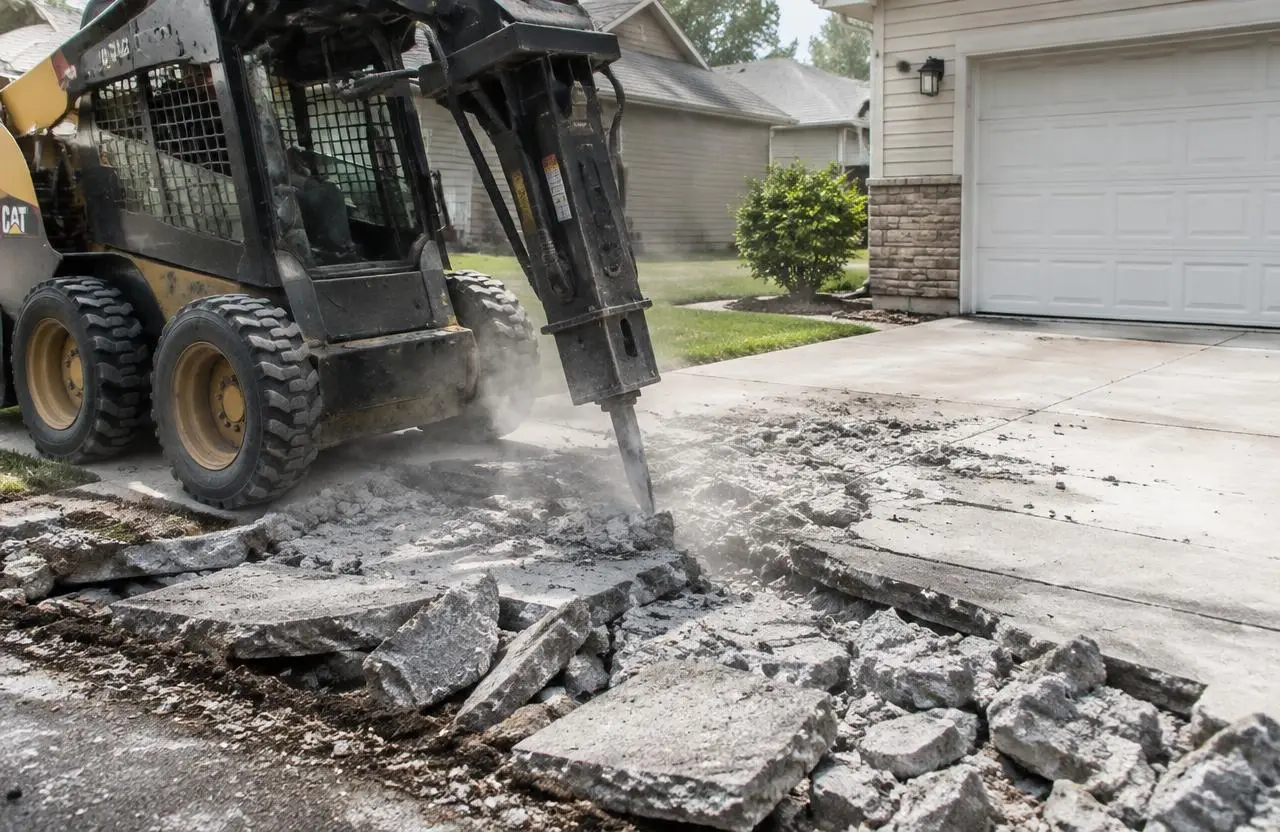 Concrete ReplacementReplace cracked, sunken or worn concrete in Tyler, TX. We remove it, fix the base and pour new. Learn when repair is not enough. Free estimates.
Keep reading
- Concrete Driveway Repair or Replacement?
A useful driveway decision starts below the surface. Learn which problems may suit a repair and which need a closer look at the base.
- How Long Does Concrete Take to Cure?
Concrete can look ready before it can handle the planned load. Learn why curing time, traffic approval, and drying time are different.
- Why Concrete Drainage and Grading Matter
A new slab changes where rain goes. Water that once soaked into grass may run toward a doorway, across a walk, or into a low corner. Good concrete planning starts with that route. Surface finish matters, but it cannot correct a slab built at the wrong height or a drain with nowhere to empty.
- How to Maintain Concrete Outdoor Surfaces
Outdoor concrete care works best as a few small habits, not one big cleaning day. Walks, steps, patios, and driveways face different use, but all benefit from clear drainage and early attention to damage. Build your routine around leaves, storms, spills, and changes in the surface rather than treating every slab with the same product.
Ready to talk about your concrete project?
Free on-site estimates in Tyler and nearby East Texas towns.