
Concrete Driveway Repair or Replacement?
By the Tyler Solid Concrete team · Published
A useful driveway decision starts below the surface. Learn which problems may suit a repair and which need a closer look at the base.
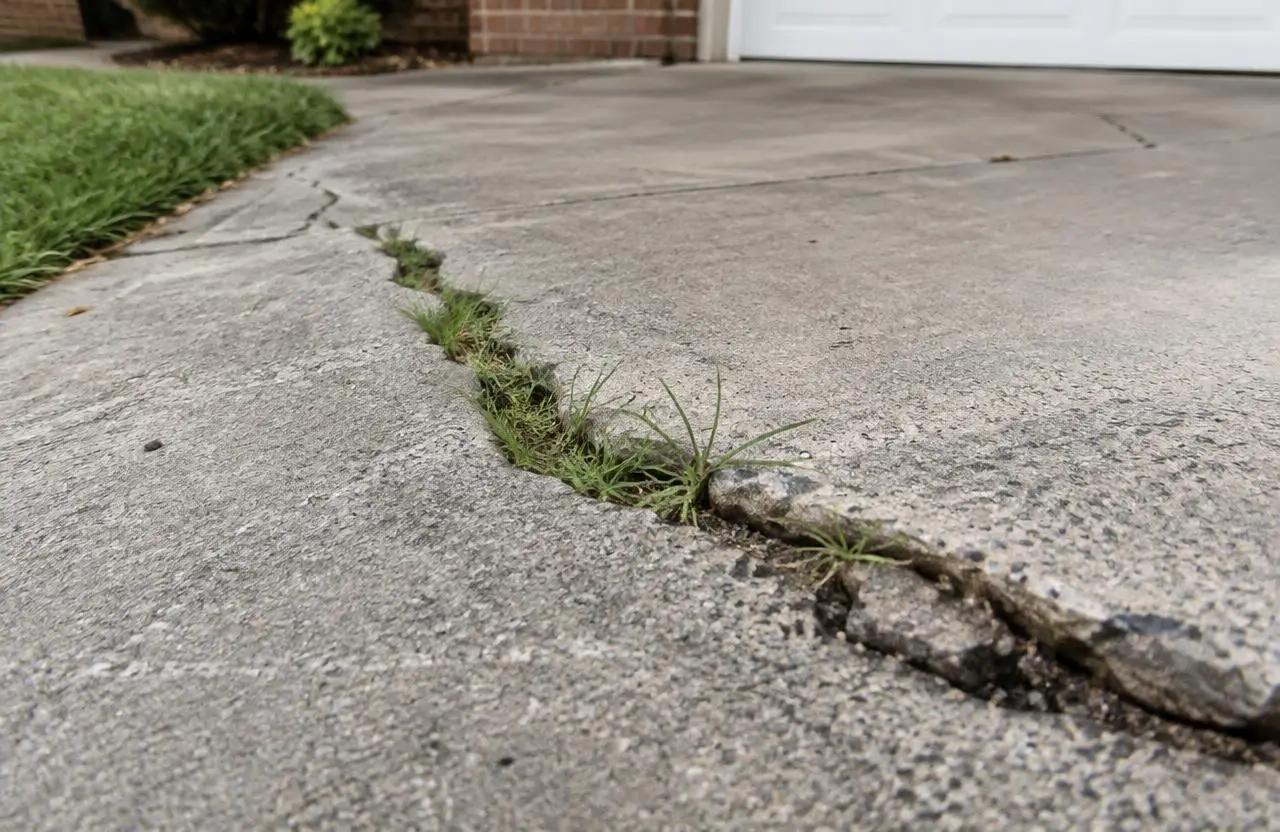
A cracked driveway does not always need to come out. A neat surface does not always mean the slab is sound, either. The right choice depends on what caused the damage, whether the concrete still has support, and how you use the driveway. Start with those questions before choosing a patch, coating, or full replacement.
Around Tyler, rain and soil movement deserve special attention. Clay can swell when wet and shrink as it dries. Other sites have sandy soil or mixed fill. Water flowing beneath an edge can wash away support. A repair that ignores those conditions may look fine at first, then split again.
Read the Damage Before Choosing a Fix
Crack causes are not all the same
Concrete changes size as moisture and temperature change. Drying shrinkage can leave a crack even when the slab is well supported. Rapid surface drying during placement can cause early cracks. Settlement, tree roots, heavy loads, poor joint layout, and soil movement create different problems. Crack width alone cannot tell you which cause is at work.
Look at the whole area. Are the two sides level? Does the crack grow wider after a dry spell? Is a nearby joint closing? Does water collect beside the damage? Take dated photos from the same spot. Do not remove material just to investigate. A contractor may need to inspect the base, drainage, and surrounding ground.
The National Ready Mixed Concrete Association explains common crack patterns and causes in its cracking guide. It notes that many early cracks do not threaten the slab's useful life, but proper assessment still matters. (see NRMCA guidance)
| What you notice | Possible concern | Useful next step |
|---|---|---|
| Narrow crack with level edges | Shrinkage or restrained movement | Check whether it is stable before sealing |
| One edge higher than the other | Settlement, roots, or soil movement | Inspect support and trip risk |
| Widespread peeling or loose surface | Surface durability or finishing problem | Check how deep the damage extends |
| Several broken, rocking panels | Loss of support or overload | Compare panel replacement with a wider rebuild |
| Standing water near the garage | Poor grade or a drainage blockage | Plan water flow before choosing a repair |
When Repair Can Be a Practical Choice
Stable, limited damage
Repair may suit a driveway with isolated damage, good drainage, and a firm base. A suitable sealant can help limit water and dirt entering some cracks. Small surface repairs may address local chips. These treatments do not restore missing support or make a moving slab stop moving. Product choice should match the damage and expected movement.
A surface overlay is another option in some cases, but it needs a sound base slab and careful preparation. Existing cracks may show through later. A thin coating is not a substitute for structural work. Ask how the proposed system handles cracks, joints, tire traffic, and moisture before agreeing to it.
Replacing only the affected section
Sometimes one panel can be removed while sound sections stay. That can limit disruption, but the new work still needs proper support, suitable joints, and planned connections. New concrete may not match the old color. Learn about concrete repair options before deciding whether a small repair or panel replacement fits your site.
When Replacement Deserves a Closer Look
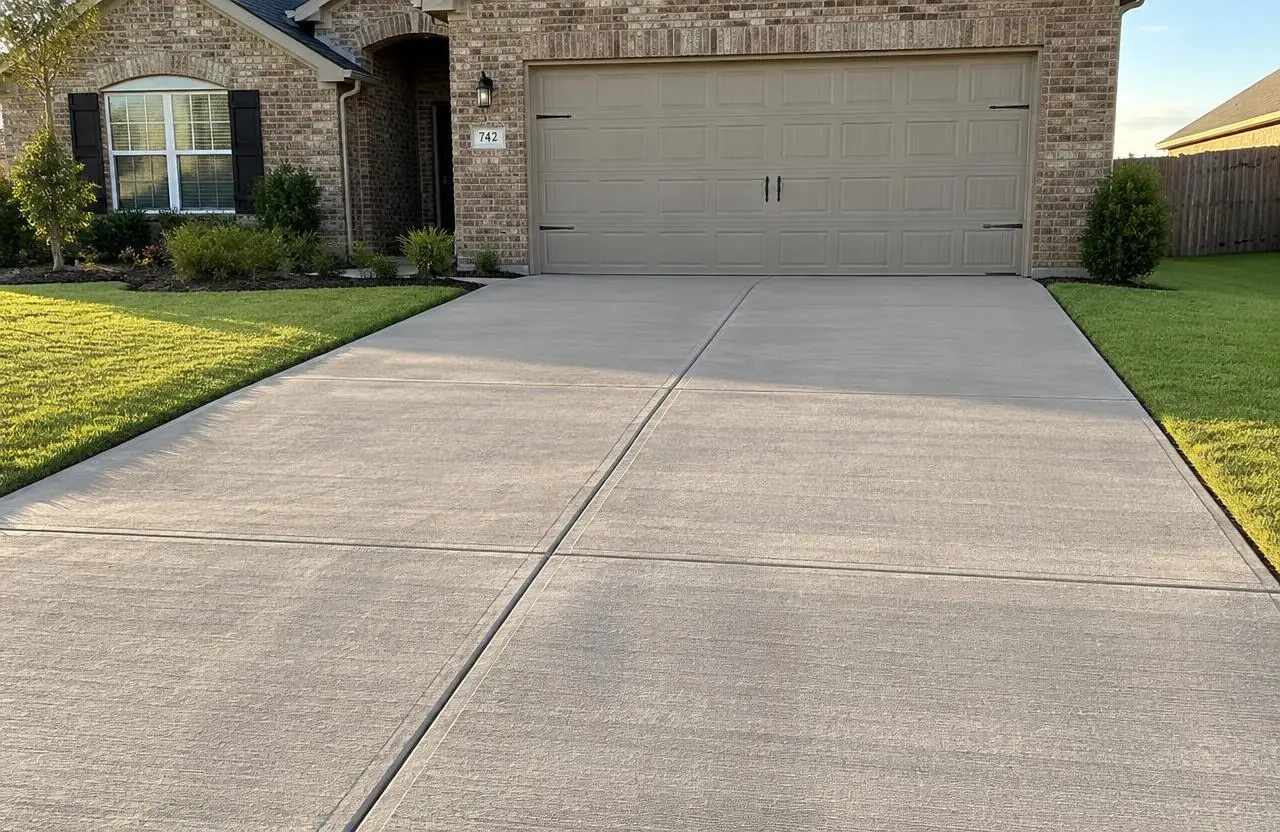
Replacement becomes more useful when damage is widespread or the original layout no longer works. Several sunken panels, repeated failed patches, deep surface loss, or major drainage trouble may point that way. Removal lets the crew inspect soil and base conditions instead of hiding them under another surface layer.
It also gives you a chance to change the driveway's shape, improve access, or plan for a heavier vehicle. Those changes affect slab design. There is no single thickness, steel layout, or joint spacing that suits every driveway. Loads, soil, drainage, local requirements, and the finished layout all matter.
Replacement is not automatically the better value. If most concrete is sound, removing everything may add work without solving a wider problem. Compare a written repair scope with a written replacement scope. Each should explain the cause being addressed, the limits of the work, and what remains unchanged.
Compare the Whole Job, Not Just the Surface
Drainage and support come first
Watch where water goes during ordinary rain from a safe spot. Check downspouts, driveway edges, nearby beds, and the garage entry. Do not direct runoff onto a neighbor's property. If water has washed soil away, filling the visible crack will not replace that missing support. The source of the water needs attention too.
Ask whether demolition, disposal, excavation, base work, forms, reinforcement where needed, joints, curing, and cleanup are included. Access can change the work a lot. A tight gate or steep approach may require smaller equipment. Its easy to compare only the top-line number and miss a major difference in scope.
- Ask what evidence supports the proposed repair method.
- Confirm how existing joints and nearby structures will be treated.
- Request a plan for drainage and any weak areas below the slab.
- Find out when people and vehicles may return.
- Ask what color or texture differences should be expected.
Our driveway cost planning page explains common cost factors without treating every property as the same job. An on-site estimate is the only real number for your scope. Keep future maintenance and likely disruption in the comparison, not just the first payment.
Keep Repair and Removal Work Safe
Cutting, grinding, and breaking concrete can release respirable silica dust. OSHA identifies silica exposure as a serious lung hazard. Keep family members away and leave powered removal to trained workers using task-appropriate dust controls. Do not dry-sweep concrete dust. (see OSHA guidance)
Fresh repair materials can also contain cement. Wet cement can cause serious skin burns, sometimes before pain makes the danger clear. Keep children and pets out. Workers need suitable gloves, boots, eye protection, and washing facilities. Remove contaminated clothing and rinse exposed skin promptly; seek medical help for suspected burns. (see OSHA guidance)
Make a Decision You Can Explain
Before the visit, list your main concern: a trip hazard, rough surface, drainage, appearance, or failed access. Note when the damage first appeared and whether it changes with weather. Share any history of buried utilities, leaking pipes, tree removal, or previous patches. Those details can be more useful than a close-up photo alone.
Choose the smallest scope that reliably addresses the cause and your needs. That may be maintenance, a targeted repair, panel replacement, or a full rebuild. Review concrete replacement in Tyler if the base and layout need work. A clear plan should explain both what the work can fix and what it cannot promise.
Sources
Related concrete services
- Concrete RepairExplore concrete repair options in Tyler, TX, from surface damage to cracks. Learn when repairs make sense and when replacement deserves a closer look.
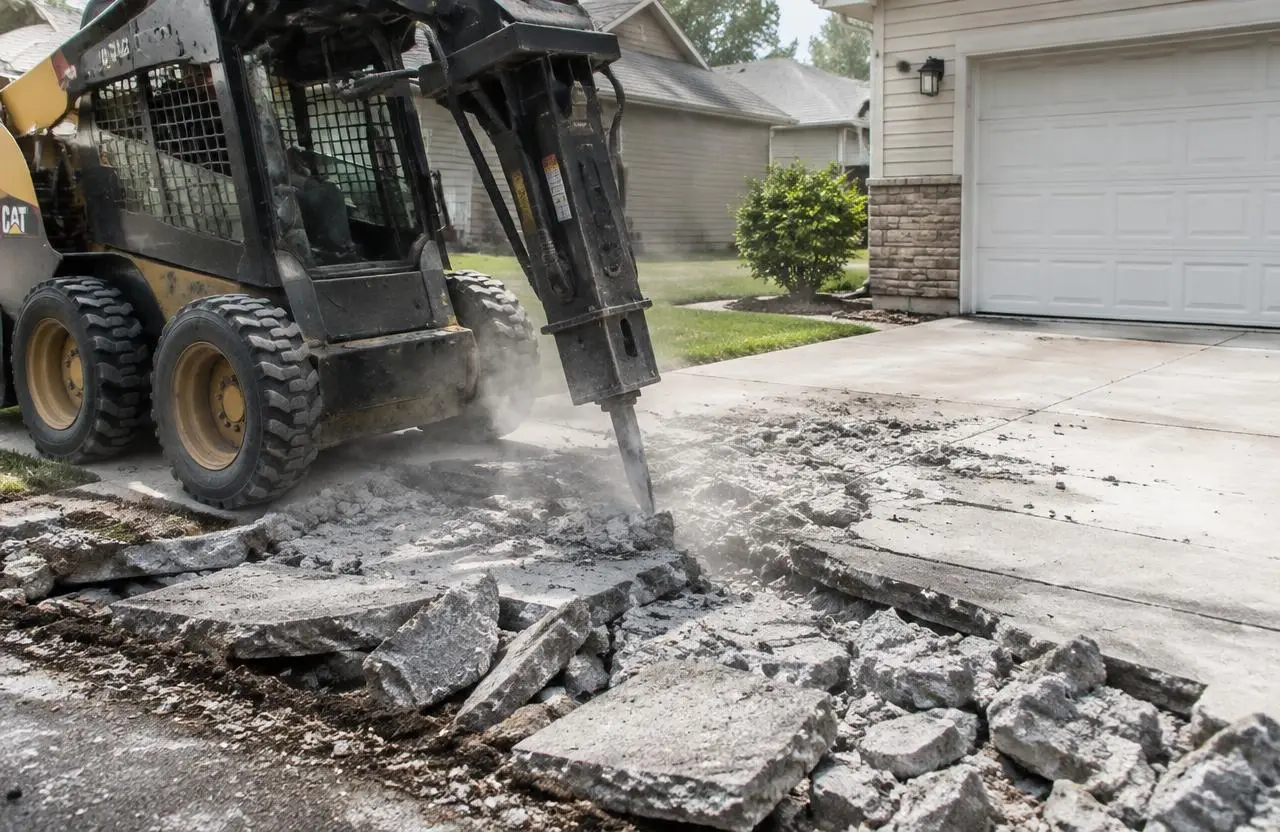 Concrete ReplacementReplace cracked, sunken or worn concrete in Tyler, TX. We remove it, fix the base and pour new. Learn when repair is not enough. Free estimates.
- Concrete DrivewaysNew concrete driveways, widening and extensions in Tyler, TX. Proper base prep, drainage, finishing and curing. Schedule a free on-site estimate.
Keep reading
- Common Causes of Concrete Driveway Cracks
A crack across your driveway does not tell the whole story. Some cracks form as new concrete shrinks. Others point to moving soil, poor support, or loads the slab was not built to carry. Before buying a patch, look at the shape of the crack, the height of each side, and where rainwater goes.
- How to Maintain a Concrete Driveway
A simple routine helps you spot water problems, surface wear, and moving cracks before you choose a repair that may not fit.
- Concrete Driveway Cost
- Concrete Replacement
Ready to talk about your concrete project?
Free on-site estimates in Tyler and nearby East Texas towns.