
How Long Does Concrete Take to Cure?
By the Tyler Solid Concrete team · Published
Concrete can look ready before it can handle the planned load. Learn why curing time, traffic approval, and drying time are different.
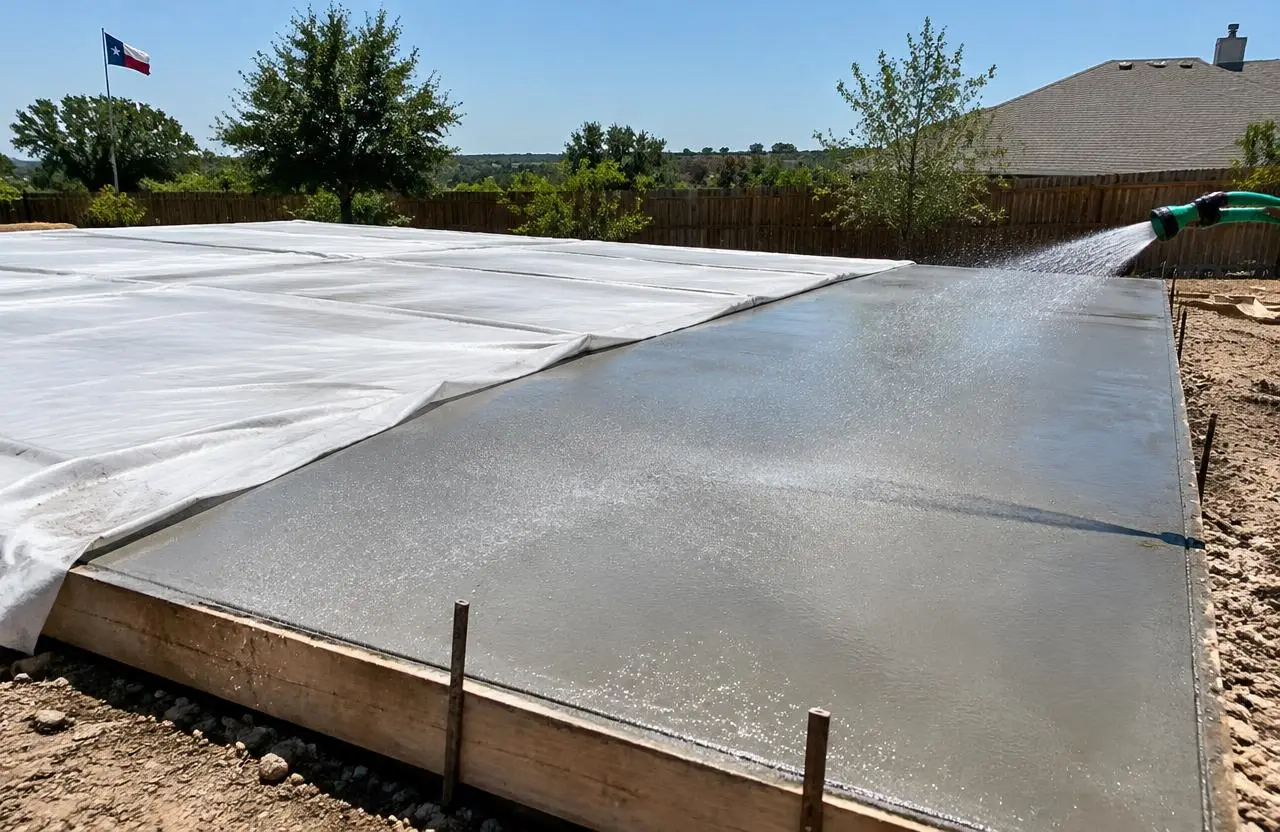
There is no single day when every concrete slab becomes ready for everything. A new patio may feel hard while it still needs protection. A driveway may support careful foot traffic before it can carry a car. The right waiting period depends on the mix, weather, curing method, slab design, and load.
The most useful answer comes from the contractor who knows what was placed. Ask for separate instructions for walking, moving furniture, driving, heavy vehicles, and coatings. Do not treat a general internet timeline as permission to use your slab. This guide explains the terms so you can ask clear questions and plan ahead.
Curing, Setting, and Drying Are Different
Setting makes concrete become firm
Fresh concrete changes from a workable mixture into a firm material. That early change is setting. It lets the crew complete finishing and begin the next protection steps. A hard-looking surface is not proof of enough strength for traffic. Pressing it with a shoe or key is not a reliable strength test.
Curing supports strength and durability
Cement reacts with water in a process called hydration. Curing keeps suitable moisture and temperature around the new concrete so that reaction can continue. Letting the surface dry quickly is not a way to make it stronger. Good curing helps the slab develop the properties the mix was designed to provide.
NRMCA describes curing periods as typically three to seven days, with the required approach depending on the materials, conditions, and project requirements. That is a curing-treatment range, not blanket approval for vehicles or full design loading. The specified plan for your project takes priority. (see NRMCA guidance)
Drying matters for later finishes
Drying means moisture is leaving the slab. It can continue well beyond the first curing period. Paint, epoxy, flooring, and some sealers have their own moisture and surface-preparation rules. A slab that is strong enough to walk on may still be too damp for a coating. Ask about product-specific testing instead of guessing by color.
Use Milestones Instead of One Countdown
Concrete strength is often specified and tested at 28 days, but that does not mean all strength gain stops then. It also does not mean every slab needs the same traffic schedule. Some projects need strength testing or another approved method before loading. Your contractor should connect the opening plan to the actual work.
| Milestone | What it tells you | What it does not tell you |
|---|---|---|
| Surface has set | Concrete has become firm | Vehicles are safe to return |
| Curing treatment is underway | Moisture and temperature are being managed | The slab has reached full design strength |
| Foot traffic is approved | Limited walking is allowed under the plan | Furniture, carts, or cars are also approved |
| Vehicle use is approved | The stated vehicle loads may return | A loaded truck or dumpster is acceptable |
| Coating requirements are met | The chosen finish can be applied | Any coating will work without testing |
Give the contractor a realistic list of loads. A small car differs from a moving truck, trailer jack, storage container, or loaded pallet. Narrow wheels and support feet can create concentrated loads. If your plans change, ask again. Waiting longer is not a substitute for a slab designed for a much heavier use.
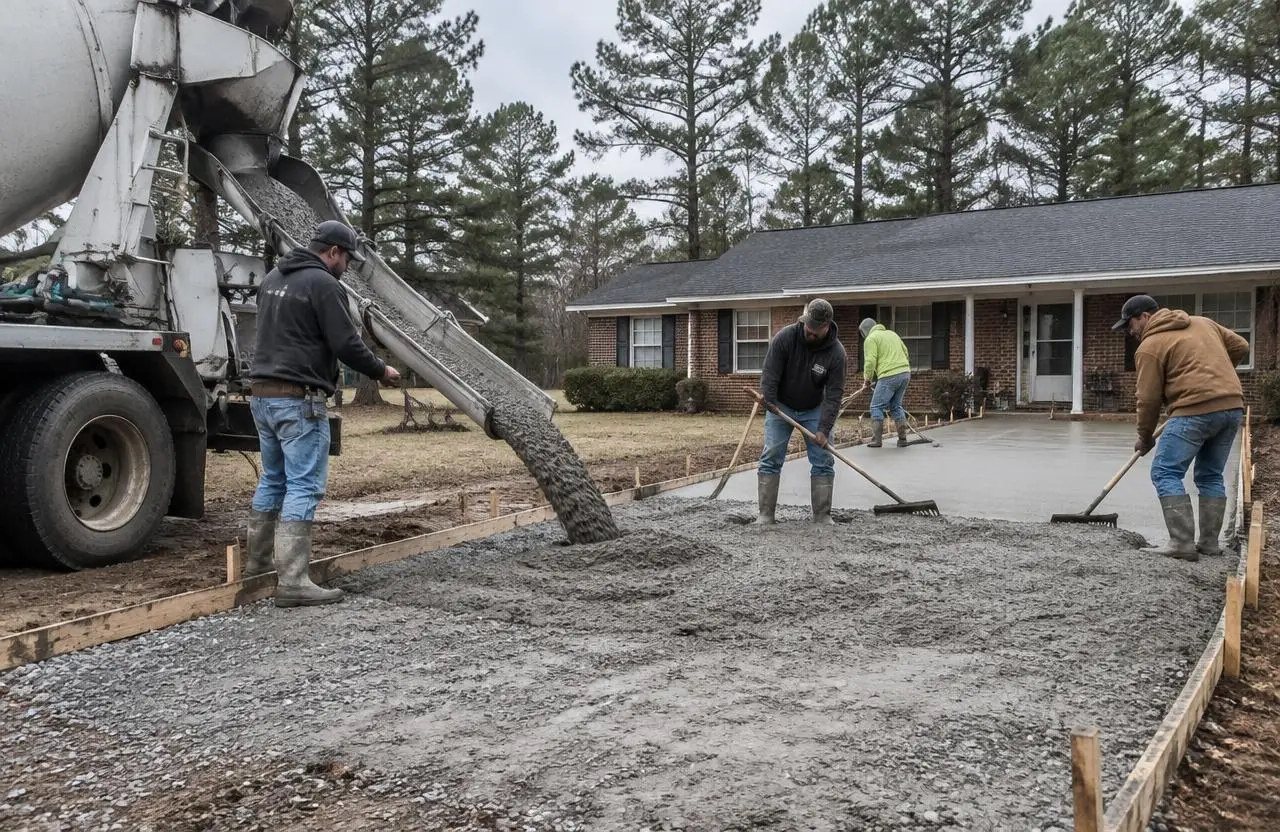
Why Tyler Weather Changes the Plan
Heat can dry the surface too quickly
Hot summers, sunlight, and wind can remove surface moisture fast. Higher temperatures can speed early reactions, but that does not make rapid drying helpful. The crew may adjust placement timing and use suitable moisture protection. Do not add water to fresh concrete or begin your own watering routine without instructions.
Rain brings a different problem. Heavy rain can mark an unfinished surface or disturb nearby ground. It does not automatically provide proper curing. Do not remove covers or barriers because a shower is coming. Ask how the crew plans to protect the surface and maintain drainage around the new work.
Cool weather can slow strength gain
Concrete can gain strength more slowly when temperatures drop. Cold-weather protection may be needed even if afternoons feel mild. NRMCA emphasizes keeping concrete at suitable temperatures during curing. A calendar based on a hot summer job is not a safe guide for a cool-weather pour. (see NRMCA guidance)
Follow One Consistent Curing Method
Common methods include maintaining moisture with suitable coverings or applying a curing compound that limits water loss. The right method depends on the job and any later finish. Some compounds can affect coating bond and may need removal. Confirm compatibility early if you plan an epoxy floor or decorative treatment.
If the contractor asks you to maintain wet coverings, get clear instructions about timing, water supply, and safe access. Do not let a planned moist-curing system repeatedly dry out. Avoid dragging hoses or rough coverings over fresh work. Its best to call before changing a method you do not understand.
- Keep traffic barriers in place until the stated release time.
- Do not park a vehicle partly on the slab to test it.
- Keep furniture, planters, tools, and pet bowls off fresh work.
- Avoid directing roof runoff or sprinklers onto an unapproved surface.
- Save the written curing and opening instructions for later reference.
Protect Skin and Keep Clear of Cutting
Wet concrete can cause chemical skin burns. Do not kneel on it, touch it to test firmness, or allow pets to walk through it. OSHA recommends protection from wet cement contact. Rinse exposure promptly, remove contaminated clothing, and get medical help for suspected burns. (see OSHA guidance)
Saw cutting may take place while the slab is still young. Keep away from the work zone and do not remove barriers after finishing ends. Cutting can produce silica dust and flying debris. The crew needs task-appropriate controls; family members should not approach to watch or help sweep up dust. (see OSHA guidance)
Know What to Report During the First Weeks
Early color differences do not by themselves prove a problem. Moisture, shade, curing, and drying can affect appearance. Cracks also have different causes. Rapid surface drying, later shrinkage, restraint, support loss, and loading are not the same issue. Good curing helps reduce some risks but cannot promise crack-free concrete.
Report a growing crack, raised edge, loose surface, or unexpected standing water. Take clear photos and note the date without walking onto restricted work. Read repair versus replacement guidance before assuming a crack needs one particular fix. For a new vehicle surface, confirm the opening plan through driveway installation services.
The simplest rule is to follow the job's written plan, not the appearance of the surface. Ask before allowing a delivery truck or applying a sealer. A short call can prevent a load or coating mistake that is much harder to undo after it happens.
Sources
Related concrete services
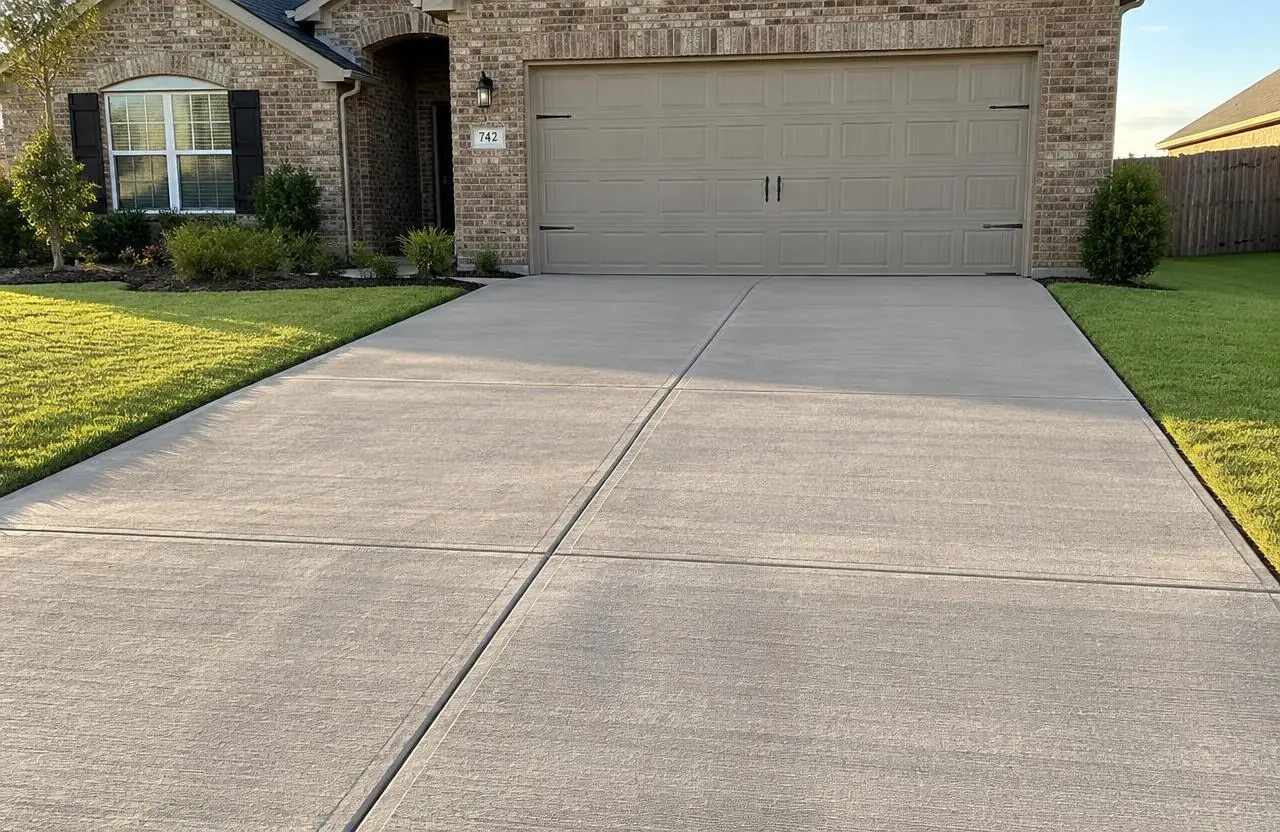 Concrete DrivewaysNew concrete driveways, widening and extensions in Tyler, TX. Proper base prep, drainage, finishing and curing. Schedule a free on-site estimate.
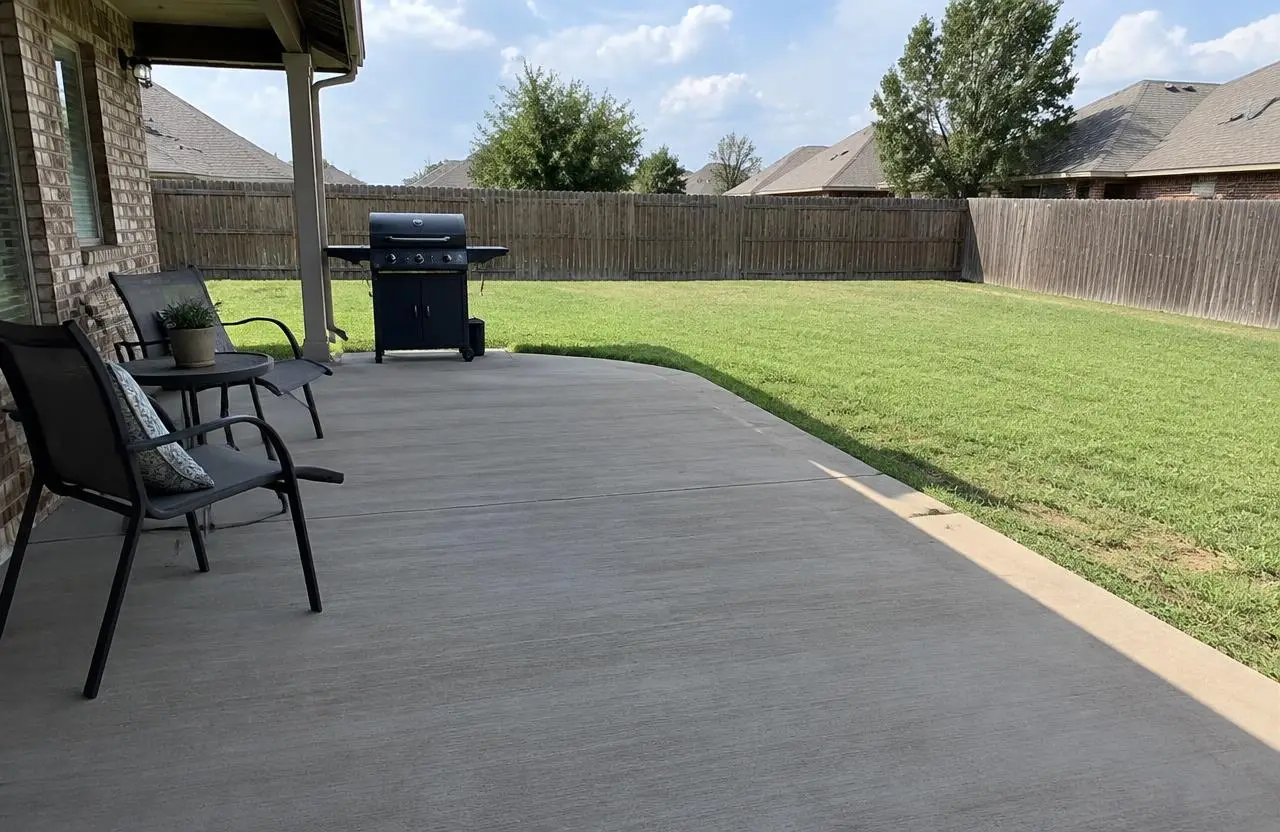 Concrete PatiosConcrete patios for East Texas back yards: layout, finishes, drainage and covered spaces. Talk to Tyler Solid Concrete for a free on-site estimate.
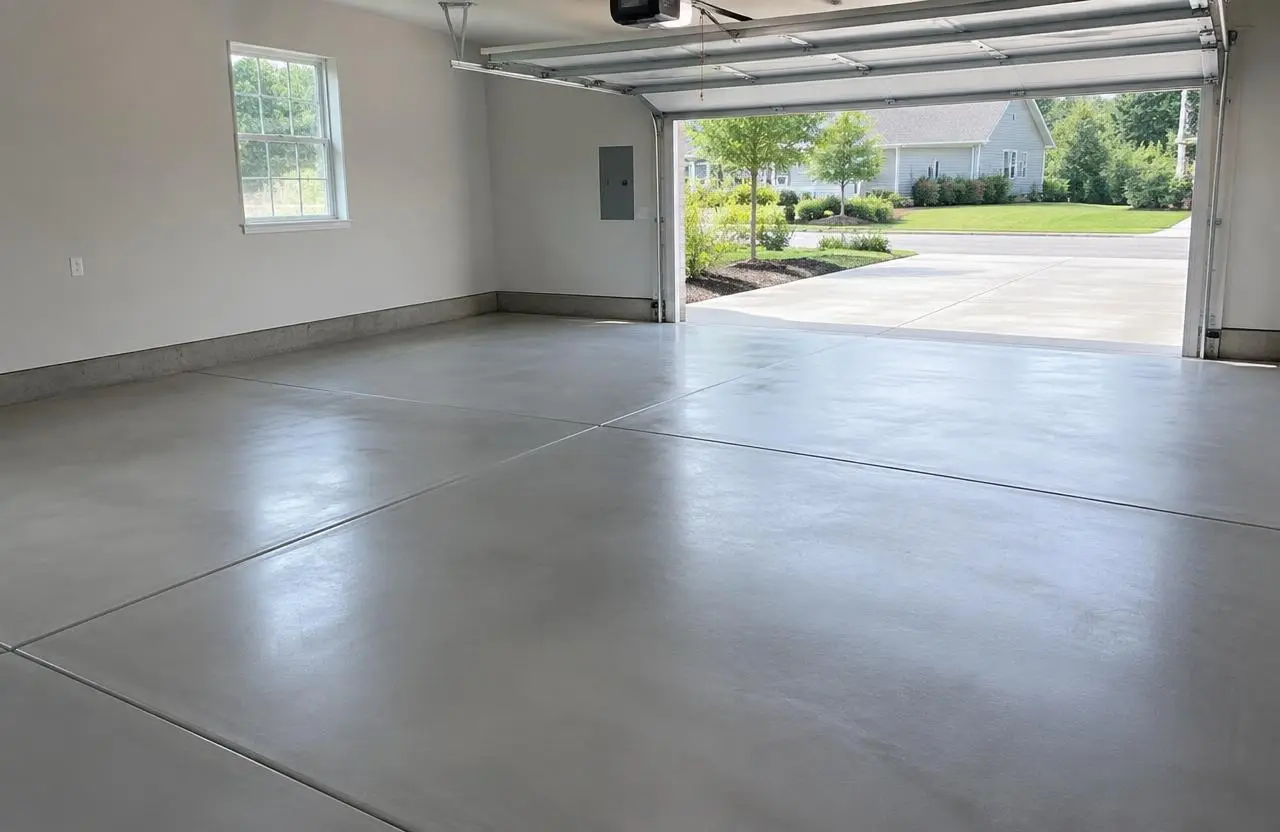 Garage Concrete FloorsPlan a garage or workshop concrete floor in Tyler, TX. Learn about loads, base preparation, moisture, finishes, joints, and what a clear estimate should cover.
Keep reading
- When Can You Drive on New Concrete?
Wait until your contractor releases the driveway for your specific vehicle. Many ordinary residential projects use about seven days as a planning point for passenger cars, but that is not a guarantee. The mix, weather, curing, slab design, and actual strength can change the wait. Heavy vehicles often need longer and separate approval.
- Concrete Curing in Hot Weather: A Homeowner’s Guide
Hot-weather concrete work is about more than the afternoon temperature. Sun, wind, dry air, and warm materials can make fresh concrete lose moisture fast. Tyler summers call for a plan before the truck arrives. As the owner, you should know how the surface will be protected and what you must keep off it afterward.
- Concrete Installation Process
- How to Maintain a Concrete Driveway
A simple routine helps you spot water problems, surface wear, and moving cracks before you choose a repair that may not fit.
Ready to talk about your concrete project?
Free on-site estimates in Tyler and nearby East Texas towns.