
How to Prepare for a Concrete Installation
By the Tyler Solid Concrete team · Published
Good preparation goes beyond clearing the driveway. Sort out access, water flow, utilities, and daily routines before the crew arrives.
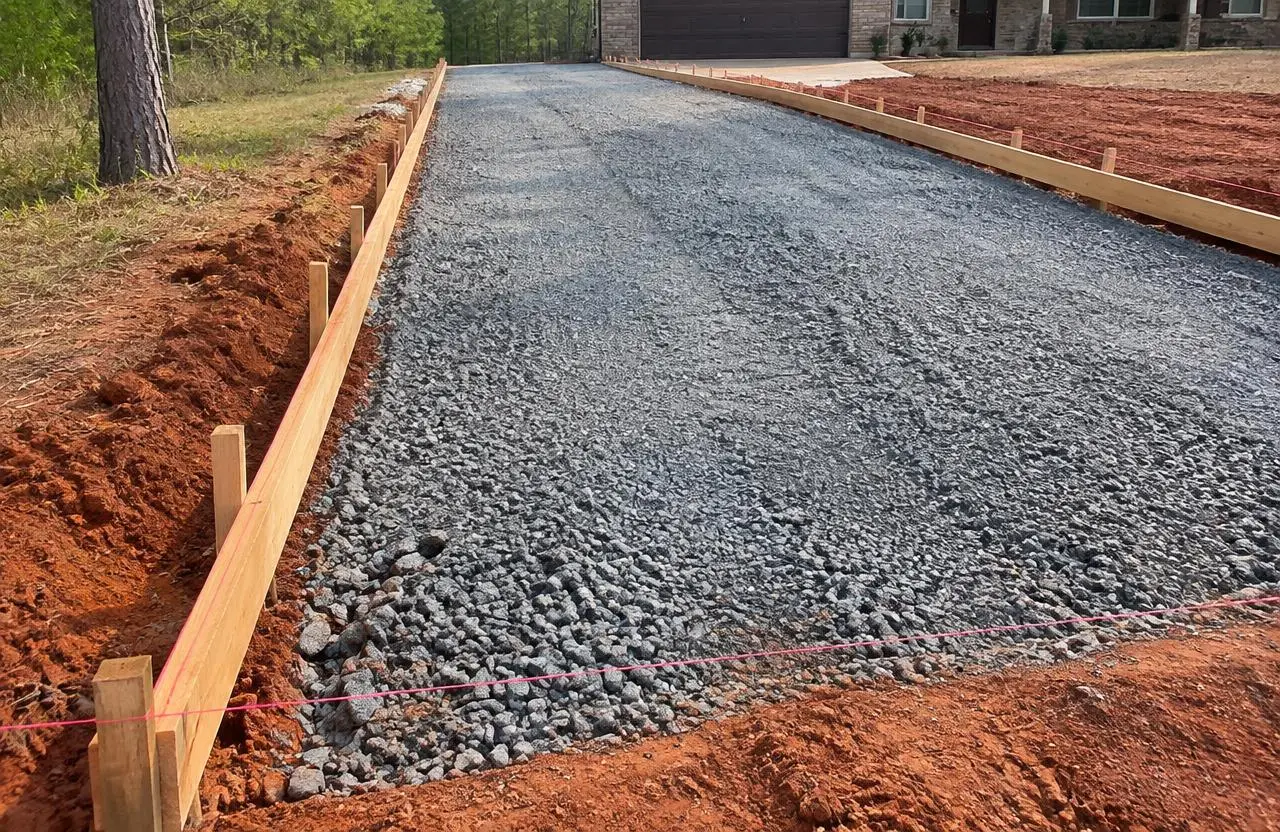
Concrete day runs better when the important choices are settled ahead of time. Where will the truck stop? How will you reach the front door? Which gate must stay open? A little planning reduces rushed decisions while fresh concrete is waiting. It also helps protect your yard, your family, and the finished work.
Your job as the property owner is not to prepare the soil or direct the crew. It is to share useful site details, clear agreed areas, and confirm the plan. The contractor should explain who handles each task. Start with the concrete installation process so the steps and timing feel less unfamiliar.
Settle the Scope Before Work Starts
Mark the finished area together
Walk the space with the contractor. Confirm the edges, curves, entry points, finish, and planned use. Bring up low doors, gates, steps, and garage openings. Finished height matters as much as length and width. A slab that meets the wrong height can create water problems or make a door difficult to use.
Talk about future loads now. A patio, garden shed, shop, and vehicle pad have different needs. Mention heavy storage, trailers, vehicle lifts, or a possible building addition. Thickness, reinforcement, joints, and support must fit the loads, soil, design, and code. Do not assume a detail from a neighbor's job fits yours.
Put responsibilities in writing
Confirm who handles demolition, hauling, permit checks, inspections, utility coordination, base preparation, and landscape cleanup. Ask what happens if excavation reveals soft soil or buried debris. Any extra work should have an agreed approval process. Clear notes help both sides avoid surprises after the old concrete is already gone.
Plan Utilities and Safe Access
Discuss utility locating before digging begins. Public locating services may not mark private lines such as yard lighting, irrigation, pool equipment, or lines to an outbuilding. Tell the contractor about anything you know is buried. Old photos and plans can help, but they do not replace proper locating or careful excavation.
Ask the crew how much access their equipment needs. Move vehicles before a route is blocked. Clear toys, pots, hoses, furniture, and low branches only where it is safe to do so. Leave overhead wires alone. Point out septic areas, weak covers, hidden drains, and any ground that cannot take heavy equipment.
| Area | Owner preparation | Confirm with the contractor |
|---|---|---|
| Driveway and street | Arrange alternate parking | Truck position and delivery access |
| Yard and gates | Move loose items and secure pets | Equipment width and protected areas |
| Buried systems | Share known private line locations | Locating and excavation responsibilities |
| House entry | Choose a safe alternate route | Temporary barriers and access limits |
| Water and power | Keep agreed connections reachable | What supplies the crew actually needs |
Check Water Flow Before the Pour
Walk the property after rain if you can do so safely. Show the contractor where puddles remain and where downspouts discharge. In East Texas, heavy rain can expose poor drainage fast. Some clay soils also move as moisture changes. A concrete surface needs a drainage plan that works with the surrounding yard.
Do not add soil, dig a trench, or change a downspout route during the job without checking first. Those changes can affect grades or the prepared base. Ask how runoff will leave the new surface without reaching the house or causing trouble next door. Drainage fixes may need work beyond the slab itself.
Leave soil and base work to the crew
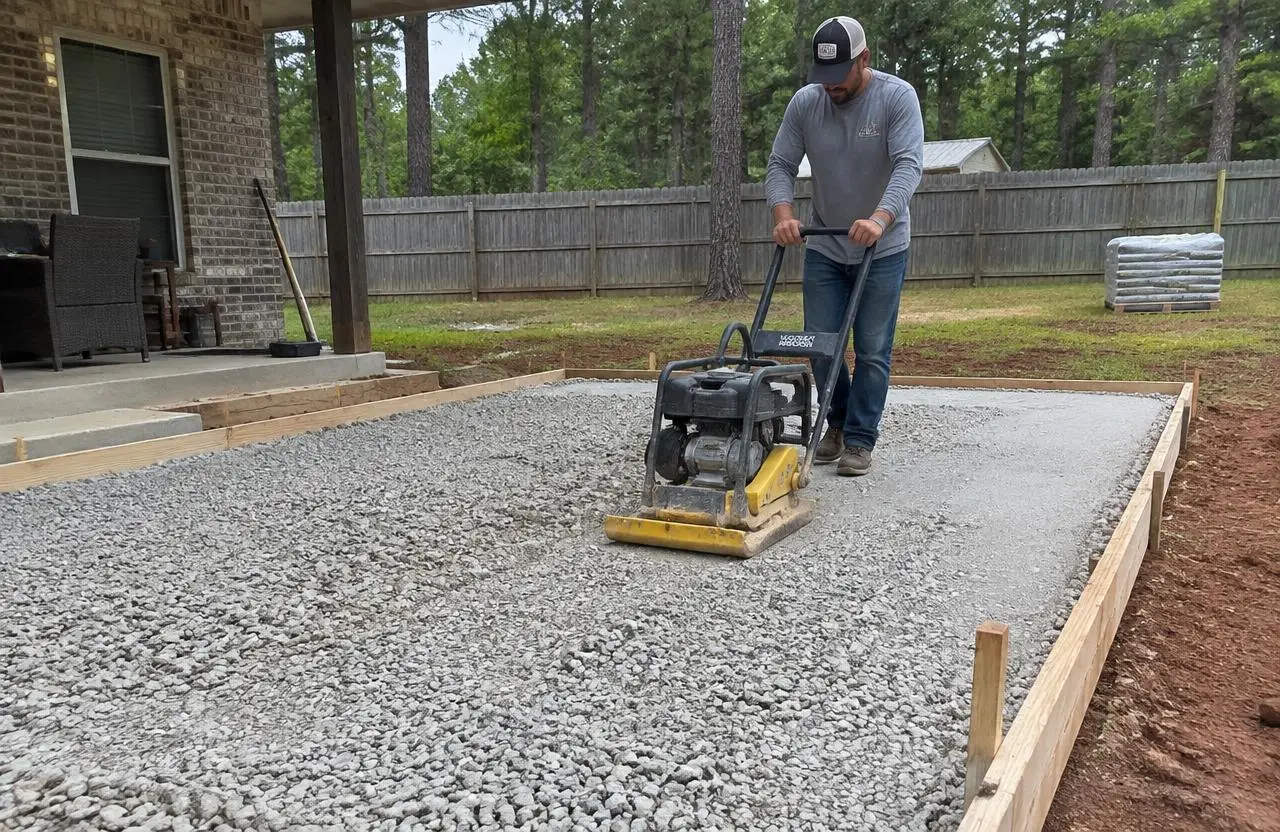
Removing soft spots, placing suitable fill, and compacting support are construction tasks. More gravel is not always the answer. Neither is pouring over wet or loose material to keep the schedule. Let the contractor assess the site and explain any changes. It's alot easier to address weak support before concrete covers it.
Prepare for Weather and Schedule Changes
A pour date is a plan, not a promise that weather will cooperate. Heavy rain can soften the base or damage fresh surfaces. Hot, dry, windy weather can pull moisture from concrete quickly. Ask who makes the final weather call and how you will receive updates. Keep alternate parking available beyond the planned pour day.
Curing is also part of the schedule. It means maintaining suitable moisture and temperature so concrete can develop its intended properties. NRMCA describes curing methods and notes that the needed period depends on the concrete and conditions. Plan for protection after the finishing crew leaves. (see NRMCA guidance)
If you need the area for a move, delivery, party, or work vehicle, mention that before booking. Do not build a tight event schedule around an assumed opening date. Read the concrete curing guide and ask for written instructions for foot traffic, vehicles, and later coatings.
Keep People and Pets Outside the Work Zone
Wet concrete can cause serious chemical burns. OSHA advises preventing skin contact with wet cement and using suitable protective equipment. Children and pets must stay away from fresh concrete, washout, and tools. If contact occurs, remove contaminated clothing, rinse promptly, and seek medical help for suspected burns. (see OSHA guidance)
Demolition and saw cutting bring other hazards, including flying pieces, noise, and silica dust. Keep clear of the entire work area, not just the machine. Trained workers need suitable dust controls; a homeowner should not help by dry sweeping dust. OSHA identifies both silica exposure and wet concrete burns as concrete-work hazards. (see OSHA guidance)
Tell delivery drivers and regular visitors about the closure. Choose an alternate path that does not cross forms, trenches, hoses, or fresh work. Do not step over a barrier for a closer photo. Keep pets indoors or in a separate secure area, because an open gate can change their normal routine.
Complete a Simple Handover
Before the crew leaves, ask who manages curing and when barriers may come down. Get the joint plan, cleaning advice, and traffic limits. Ask what normal early color changes may look like and who to contact about concerns. Photograph the finished area without walking onto it. Keep the instructions with your project paperwork.
Cracks can result from different causes, including shrinkage, rapid drying, support loss, or movement. Do not choose a repair just from a photo or assume every crack means failed work. Report new concerns with dates and clear pictures. For a planned yard project, discuss access and layout through concrete patio services.
Sources
Related concrete services
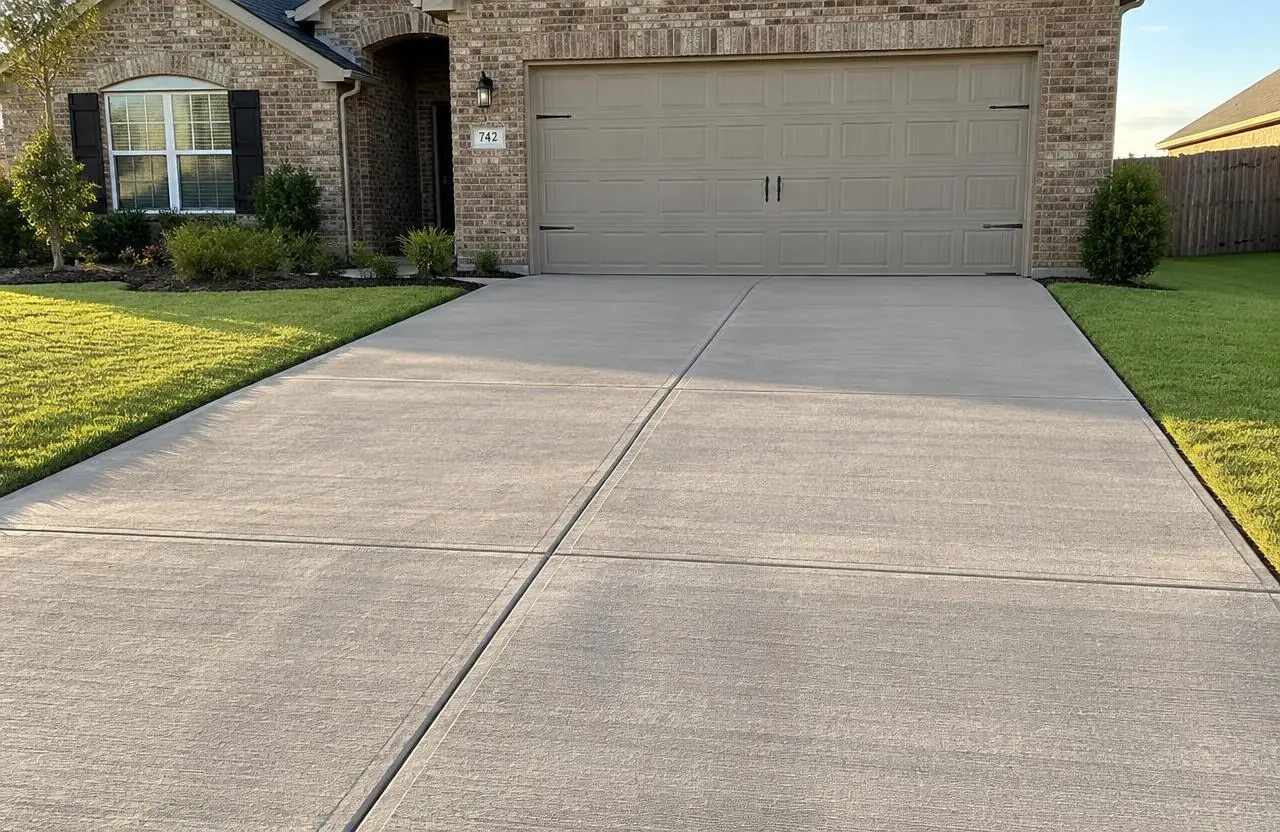 Concrete DrivewaysNew concrete driveways, widening and extensions in Tyler, TX. Proper base prep, drainage, finishing and curing. Schedule a free on-site estimate.
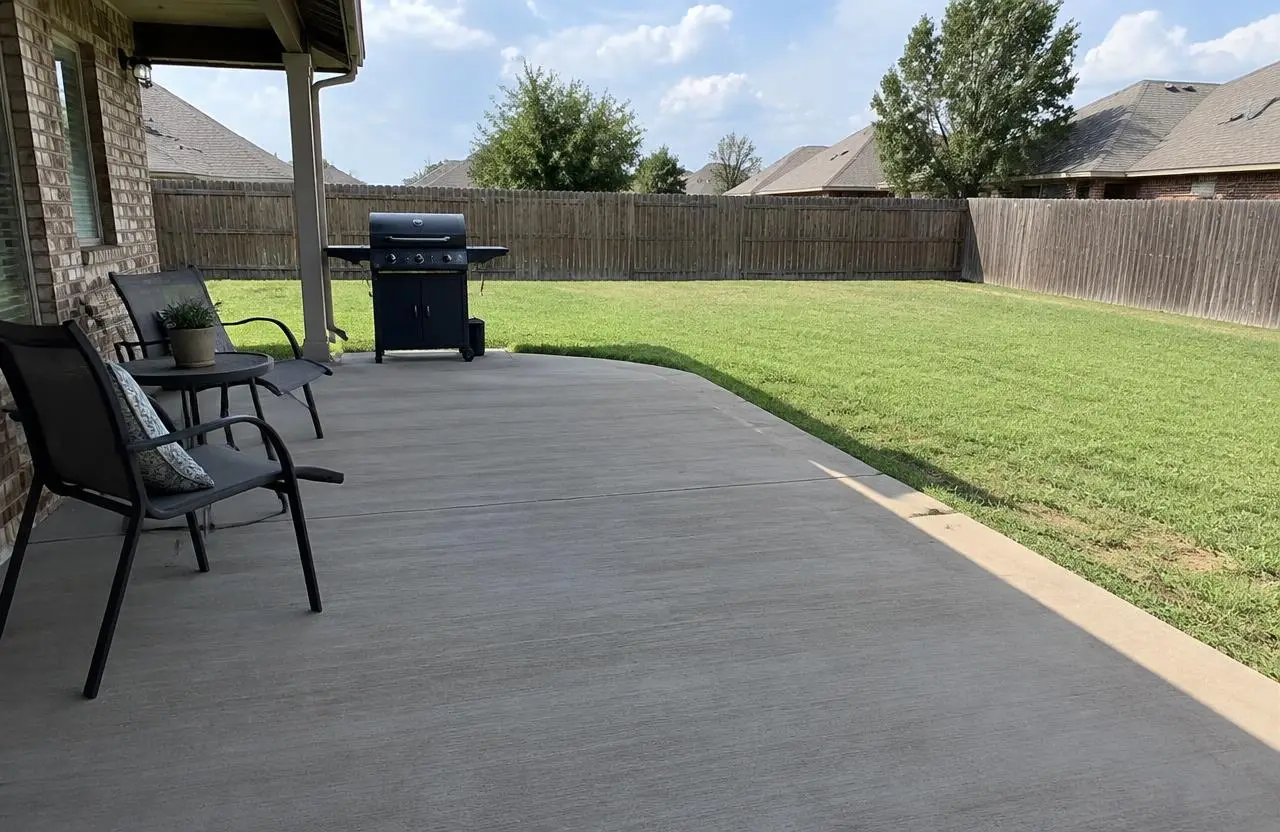 Concrete PatiosConcrete patios for East Texas back yards: layout, finishes, drainage and covered spaces. Talk to Tyler Solid Concrete for a free on-site estimate.
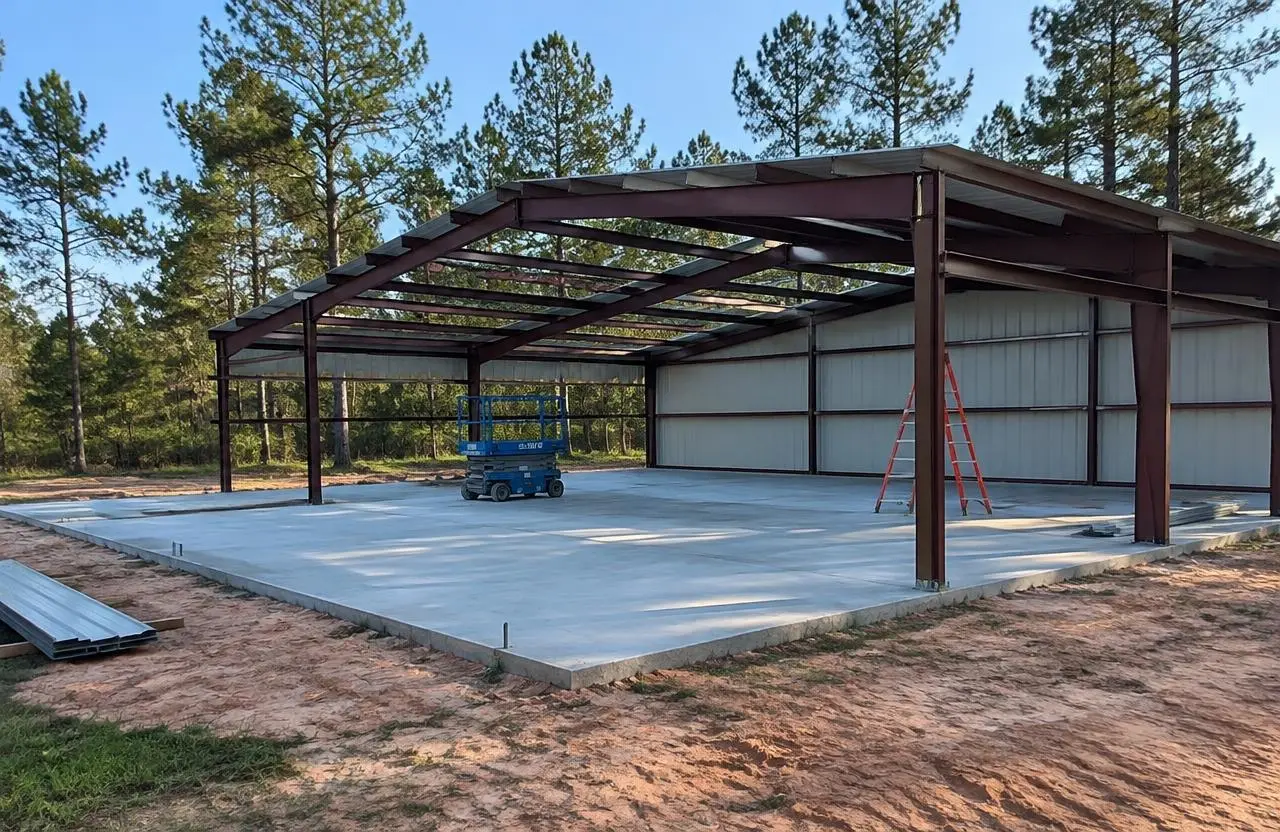 Concrete SlabsConcrete slabs for sheds, shops, garages and equipment in Tyler, TX. Thickness and reinforcement are set by load, soil and code. Free estimates.
Keep reading
- Concrete Installation Process
- How Long Does Concrete Take to Cure?
Concrete can look ready before it can handle the planned load. Learn why curing time, traffic approval, and drying time are different.
- What to Include in a Concrete Project Estimate
Two concrete estimates can name the same square footage and still describe very different jobs. One may include removal, base repairs, and final cleanup. The other may cover only placing concrete on a ready site. A useful estimate turns the conversation into a written scope, so you can compare the work rather than just the bottom line.
- Why Concrete Drainage and Grading Matter
A new slab changes where rain goes. Water that once soaked into grass may run toward a doorway, across a walk, or into a low corner. Good concrete planning starts with that route. Surface finish matters, but it cannot correct a slab built at the wrong height or a drain with nowhere to empty.
Ready to talk about your concrete project?
Free on-site estimates in Tyler and nearby East Texas towns.